New textile rules push fashion brands to improve supply chain data
Textile EPR and disclosure rules are forcing brands to prove product-level data, with traceability gaps and incompatible systems now a compliance risk.
Fashion’s soft underbelly is no longer design, it is data. Cascale and Worldly said expanding textile extended producer responsibility schemes and disclosure rules were raising the bar for product-level transparency, lifecycle accountability and consistent reporting systems, turning supply chain records from back-office clutter into a frontline compliance test.
The companies laid out that warning in a policy deep dive, EPR and the Expanding Demand for Data, Traceability, and Interoperability, published May 13. Their view was blunt: sustainability regulation was becoming more complex and more fragmented at the same time, with the European Union’s Waste Framework Directive revision, the Ecodesign for Sustainable Products Regulation and the Corporate Sustainability Reporting Directive all pushing brands toward sharper product-level disclosure. Similar momentum was building across North America, Asia and other regions, making this less a regional tweak than a global operating shift.
That is where the real pressure lands. Cascale said companies were under growing pressure to deliver consistent, product-level data for EPR requirements, digital product passports and disclosure frameworks, while diverging rules across jurisdictions made compliance more resource-intensive. In practice, that means the weak links are easy to spot: traceability gaps, the handoff between suppliers and brands, and systems that cannot speak to one another cleanly enough to support the same garment in multiple markets. For brands that still rely on stitched-together spreadsheets and uneven supplier records, the cost of opacity is rising fast.
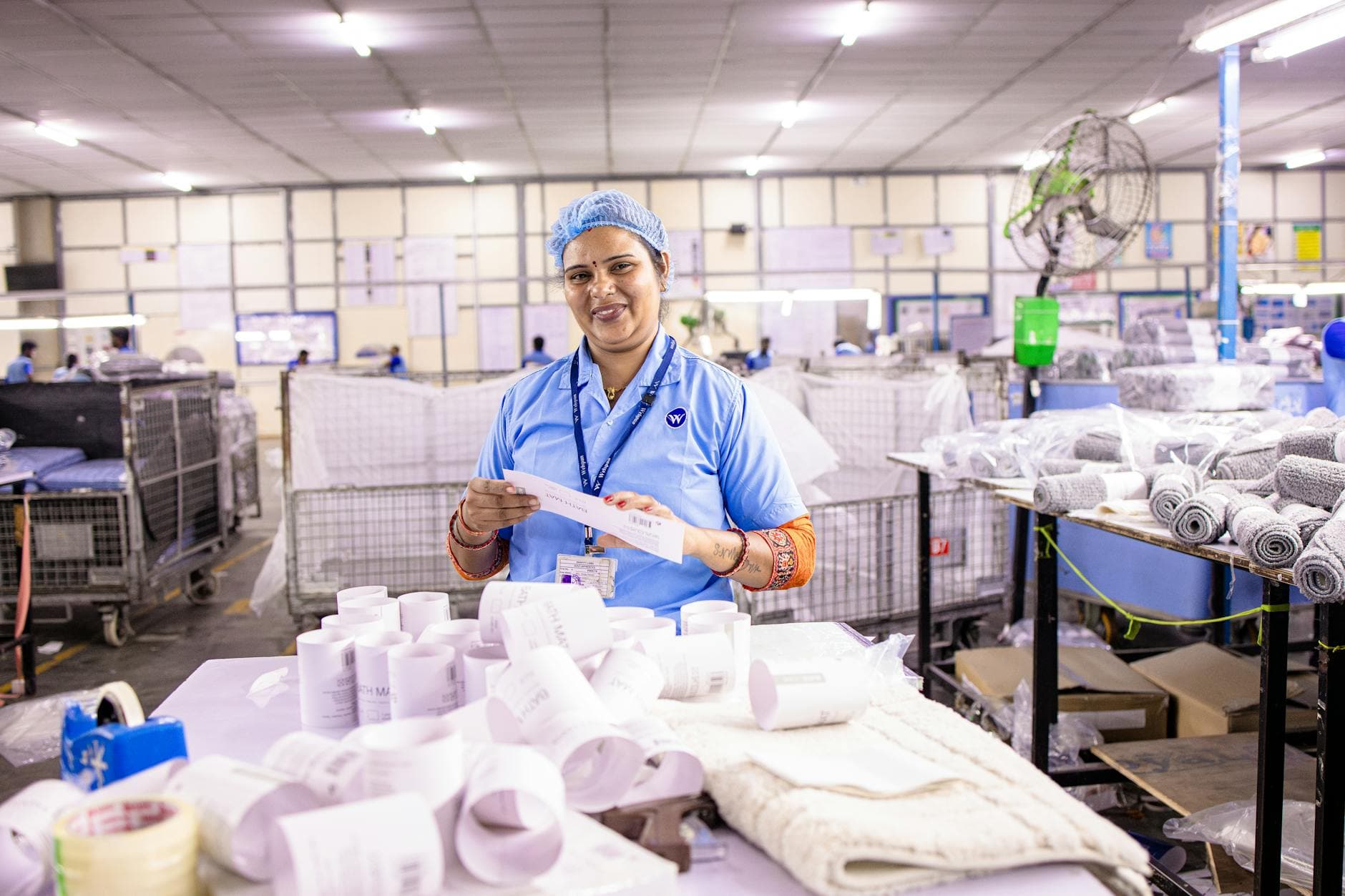
Cascale also argued that the answer is not just more reporting, but better infrastructure. The group said stronger data systems and supply chain visibility could improve decision-making and readiness for evolving rules, while shared frameworks and methodologies, including the Higg Index, could help translate policy demands into something brands and manufacturers can actually use. The message for fashion is clear: product data is becoming part of the price of doing business, and the brands that cannot prove what is in a product, where it came from and how it moves through the chain will feel that cost first.
This article was produced by Prism’s automated news system from verified source data, official records, and press releases, then run through automated quality and moderation checks before publishing. The system is built and supervised by the people who set the standards it runs under. Read our full AI policy.
Did this article answer your question?


