New Water Cleanup Method Removes 98 Percent of PFAS, Fashion Faces Pressure
A Flinders University cleanup method trapped up to 98 percent of PFAS, but fashion’s reliance on short-chain chemicals keeps the pressure on.
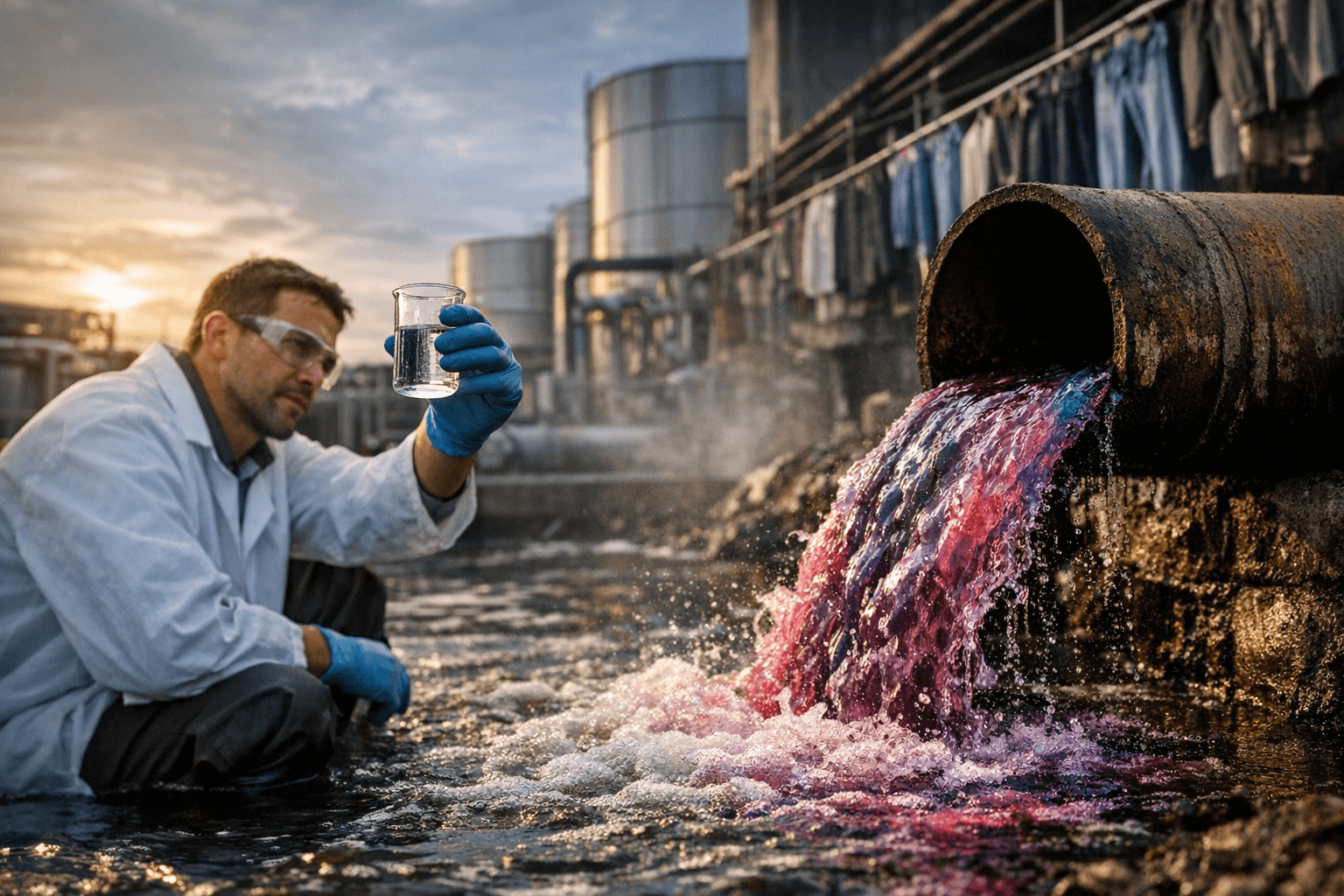
A new water-cleanup method that captures up to 98 percent of PFAS sounds like the kind of breakthrough the industry has been waiting for. The catch is obvious and uncomfortable: fashion is still leaning on the same chemistry it says it wants to move away from, especially the short-chain PFAS that are hardest to strip out of wastewater in the first place.
The Flinders University approach uses nano-sized molecular cages embedded in mesoporous silica to trap PFAS, including short-chain variants. It is reusable, which matters because wastewater treatment only becomes useful at scale when the material itself can be deployed again and again instead of treated like a one-off lab trick. That is the real headline here, not the glossy idea of a cleanup miracle.
PFAS are a group of several thousand human-made chemicals prized for oil- and water-resistant performance, which is exactly why they have lived so long inside apparel and accessories. Outdoor shells, technical garments and stain-resistant finishes have depended on them for years, and the problem has only sharpened as regulators have moved from warnings to restrictions. The OECD revised PFAS terminology in 2021 to help stakeholders classify the chemicals more consistently, a sign of how sprawling the category has become.
The European Chemicals Agency said PFAS persist in the environment for a very long time and raise concerns about bioaccumulation, mobility, long-range transport and toxicity. On March 13, 2024, ECHA said its scientific committees would assess the EU restriction proposal in batches by sector. By August 20, 2025, it had updated the proposal after reviewing more than 5,600 consultation comments. That is not a soft signal. It is bureaucracy moving, slowly but decisively, toward the textile aisle.
The United States has moved too. In January 2024, the EPA finalized a significant new use rule for PFAS under TSCA, tightening the pressure on the chemical category. New York signed an apparel PFAS law in January 2023, and it took effect on December 31, 2023. The New York State Department of Environmental Conservation now says the state has a law restricting PFAS in apparel and outdoor apparel for severe wet conditions. California, Colorado, Maine, Rhode Island and Vermont have also pushed textile restrictions forward.
The real fashion story is not that PFAS can be cleaned up better. It is that the industry still has to decide whether to keep buying time with remediation or finally abandon the finish altogether. UL Research Institutes’ Chemical Insights Research Institute added another layer of scrutiny on March 27, 2024, when it released its first report on PFAS associated with consumer and commercial textiles. That pressure is building in exactly the right place, because a better mop is not a substitute for turning the tap off.
This article was produced by Prism’s automated news system from verified source data, official records, and press releases, then run through automated quality and moderation checks before publishing. The system is built and supervised by the people who set the standards it runs under. Read our full AI policy.
Did this article answer your question?