Nike's World Cup Kits Turn Textile Waste Into Elite Performance Gear
Nike's Aero-FIT kits for France, Nigeria, and Croatia are the first elite performance kits made entirely from textile waste, using chemical recycling that regenerates discarded garments into virgin-equivalent polyester yarn.
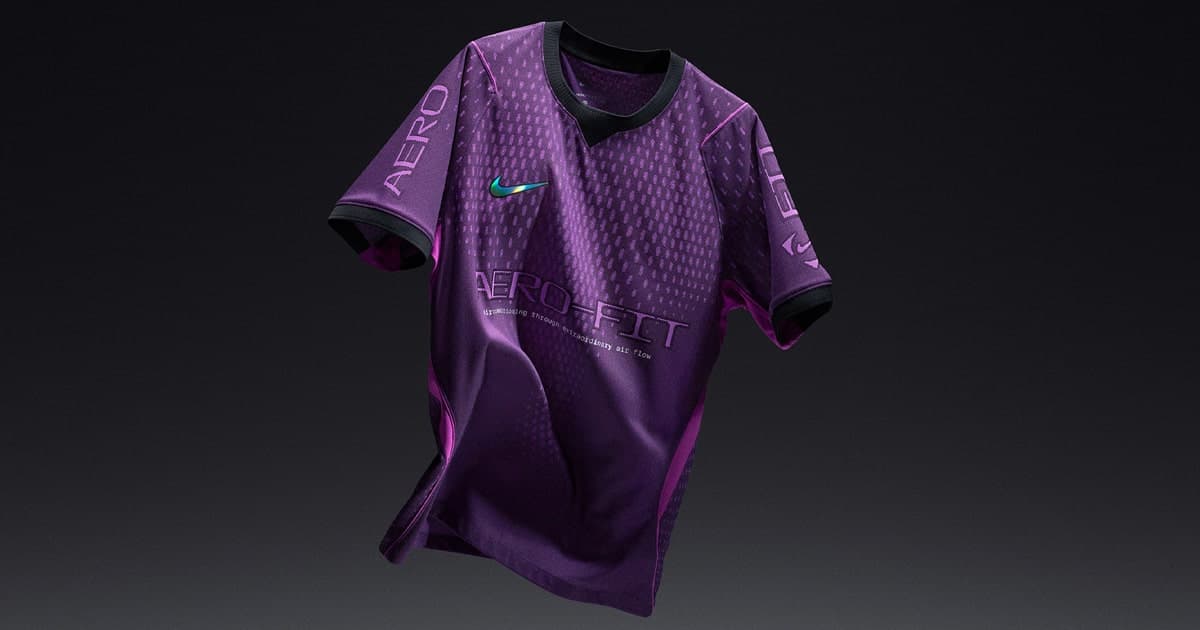
Nike's Aero-FIT federation kits for the 2026 FIFA World Cup didn't begin as polyester pellets. They began as someone's worn-out clothes. That sourcing distinction, separating this announcement from a decade of bottle-to-jersey recycling stories, is what makes Aero-FIT a material-science commercialization milestone. On March 23, Nike confirmed the kits and accompanying training collections are the brand's first elite performance apparel made from 100 percent textile waste, enabled by advanced chemical recycling.
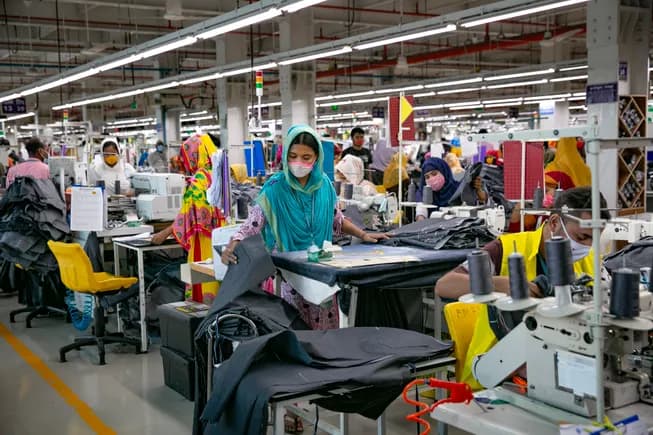
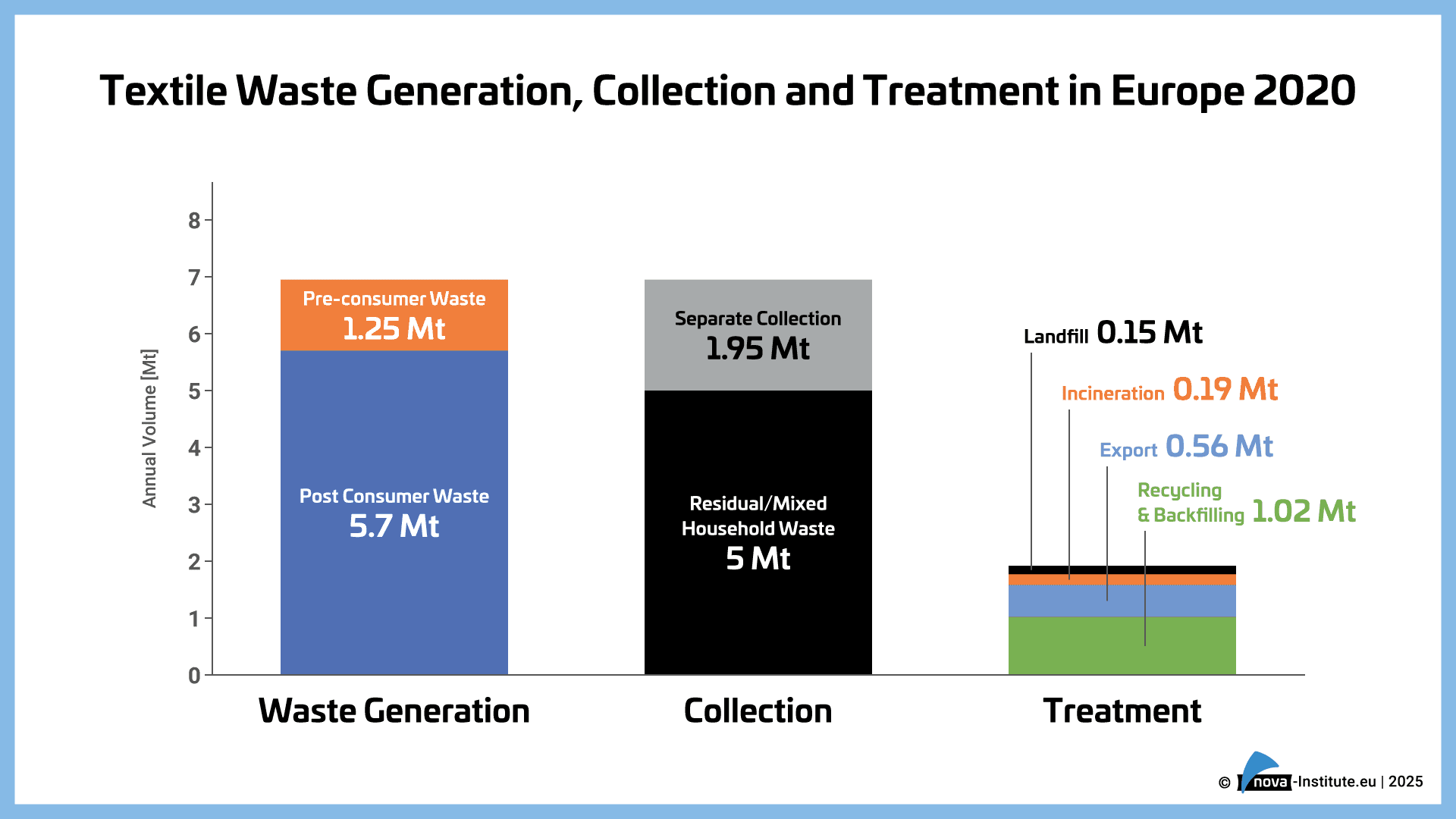
The feedstock is end-of-life garments and factory floor textile scraps, collected and sorted before being shredded and stripped of every non-polyester component: zippers, buttons, elastic, and chemical coatings all exit the stream before processing begins. Sorting is where most textile recycling programs fracture at scale. Blended fabrics, accumulated dye loads, and finishing chemicals create a contamination problem that mechanical recycling cannot solve. Each mechanical cycle shortens polymer chains, degrading tensile strength and constraining the weave complexity a manufacturer can reach with the output fiber.
Chemical recycling bypasses that ceiling by using solvents, heat, and chemical agents to break textile waste down to the molecular level, reverting polyester entirely back to its monomer components. In liquid state, colorants and chemical finishes can be filtered out and intertwined materials separated. The purified monomers are then recombined and synthesized into full-length polymer chains, producing yarn physically indistinguishable from virgin, petroleum-derived polyester. For the World Cup kits, that virgin-equivalent quality is precisely what enables Nike's stitch-specific computational knitting: Aero-FIT combines open and closed mesh zones that channel more than double the airflow of legacy Nike athletic apparel, slightly lifting fabric from skin to support sweat evaporation during play. Janett Nichol, Nike's VP of Apparel and Advanced Digital Creation Studio Innovation, said the technology "delivers the future of our industry-defining apparel innovation in both elite performance and sustainability at scale."
The comparison to rPET kits matters here. Nike has previously used recycled plastic bottles in many of its soccer kits, a supply chain that is cheaper and more established but structurally limited: it competes with food-grade packaging manufacturers for the same PET bottle feedstock, and it does nothing to close the textile waste loop. A shirt recycled into bottles, then into a new shirt, requires two separate recycling passes with different chemistry. Textile-to-textile chemical recycling eliminates that detour. The cost is complexity: sorting contaminated blended garments is more labor-intensive and energy-demanding than processing clear PET bottles from municipal recycling streams, and the reactor infrastructure requires significant capital.
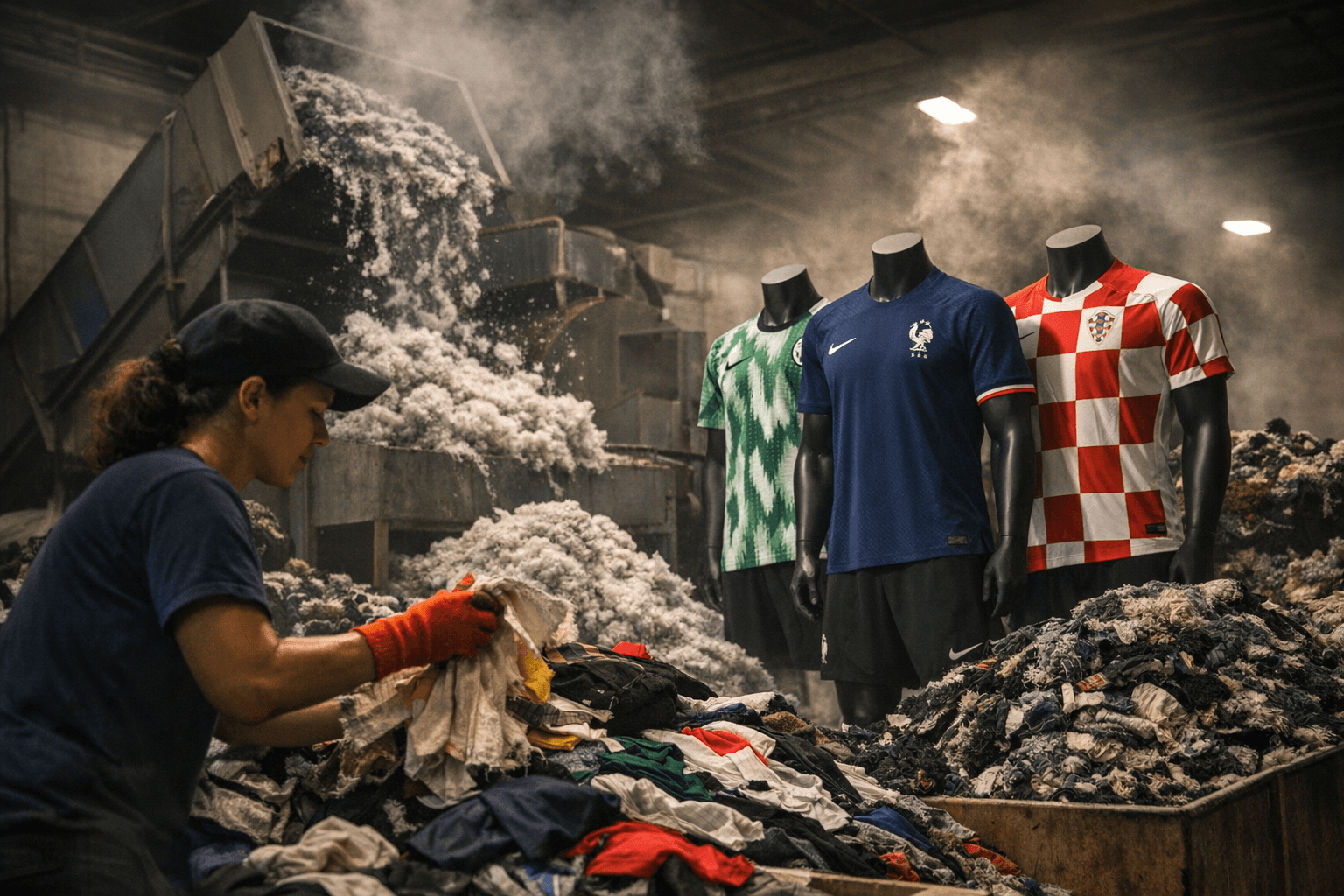
Nike has begun locking in the supply pipeline for expanded production. Multi-year agreements with Swedish cleantech startup Syre, named as Nike's lead strategic supplier for textile-to-textile recycled polyester, and Canada-based Loop Industries anchor the capacity equation. Loop's Infinite Loop India facility carries a 70,000-tonne production target, providing the scale Nike would need to move chemical-recycling output beyond World Cup kits into mainstream performance lines.
The World Cup is not a contained test. Nike supplies kits for France, Croatia, Türkiye, Poland, Nigeria, China, and Slovenia, among other federations. Kylian Mbappé's France shirt and Harry Kane's England kit rank among the most commercially replicated jerseys in football, with replica sales running into millions of units per tournament cycle. If chemical recycling can hold quality and cost across that production volume, the case for keeping rPET from bottles as the default sustainable input for performance sportswear weakens substantially. Nike's FY24 Textile-to-Textile initiative collected 135 tons of high-PET textile scraps. The World Cup kits represent a deliberate and very public escalation of that number, with the harder question of what happens to those millions of replica shirts when fans eventually retire them still waiting for an answer.
This article was produced by Prism’s automated news system from verified source data, official records, and press releases, then run through automated quality and moderation checks before publishing. The system is built and supervised by the people who set the standards it runs under. Read our full AI policy.
Did this article answer your question?