NYU Stern urges fashion brands to protect workers from heat
Heatwaves and energy shortages are turning garment production into a worker-safety crisis, and NYU Stern says brands can no longer treat it as a distant climate problem.
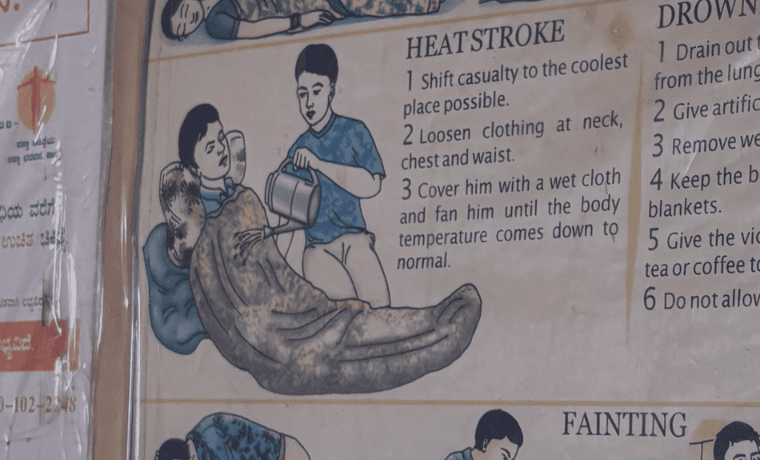
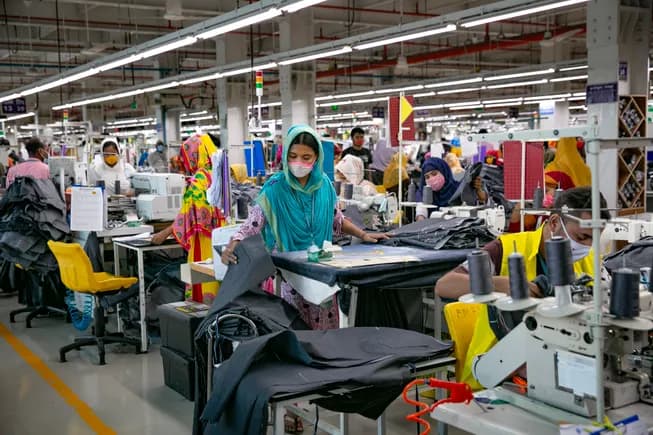
Fashion’s next supply-chain shock is already taking shape in the hottest factories on earth. NYU Stern’s Center for Business and Human Rights has warned that extreme heat and energy shortages are colliding across South and Southeast Asia, where garment workers are being pushed into longer, riskier shifts just as power instability and fuel-price spikes threaten production.
The center said in a May 12 quick take that conflict in the Middle East is disrupting global oil markets, lifting fuel prices across Asia and squeezing demand for manufactured goods. It also pointed to the Strait of Hormuz, where around 80 percent of the oil that normally passes through is destined for Asian markets. With summer heatwaves approaching, the center said manufacturers and workers face a double squeeze: less reliable electricity, more dangerous temperatures, and tighter margins.
The stakes are enormous. Asia accounted for 55 percent of global garment and textile exports in 2019, and by 2023 the region held 75 percent of the global garment workforce, including about 42 million women workers. NYU Stern said its full report on extreme heat in the garment sector is due in June 2026, a signal that the industry’s most basic operating conditions are moving deeper into the red.
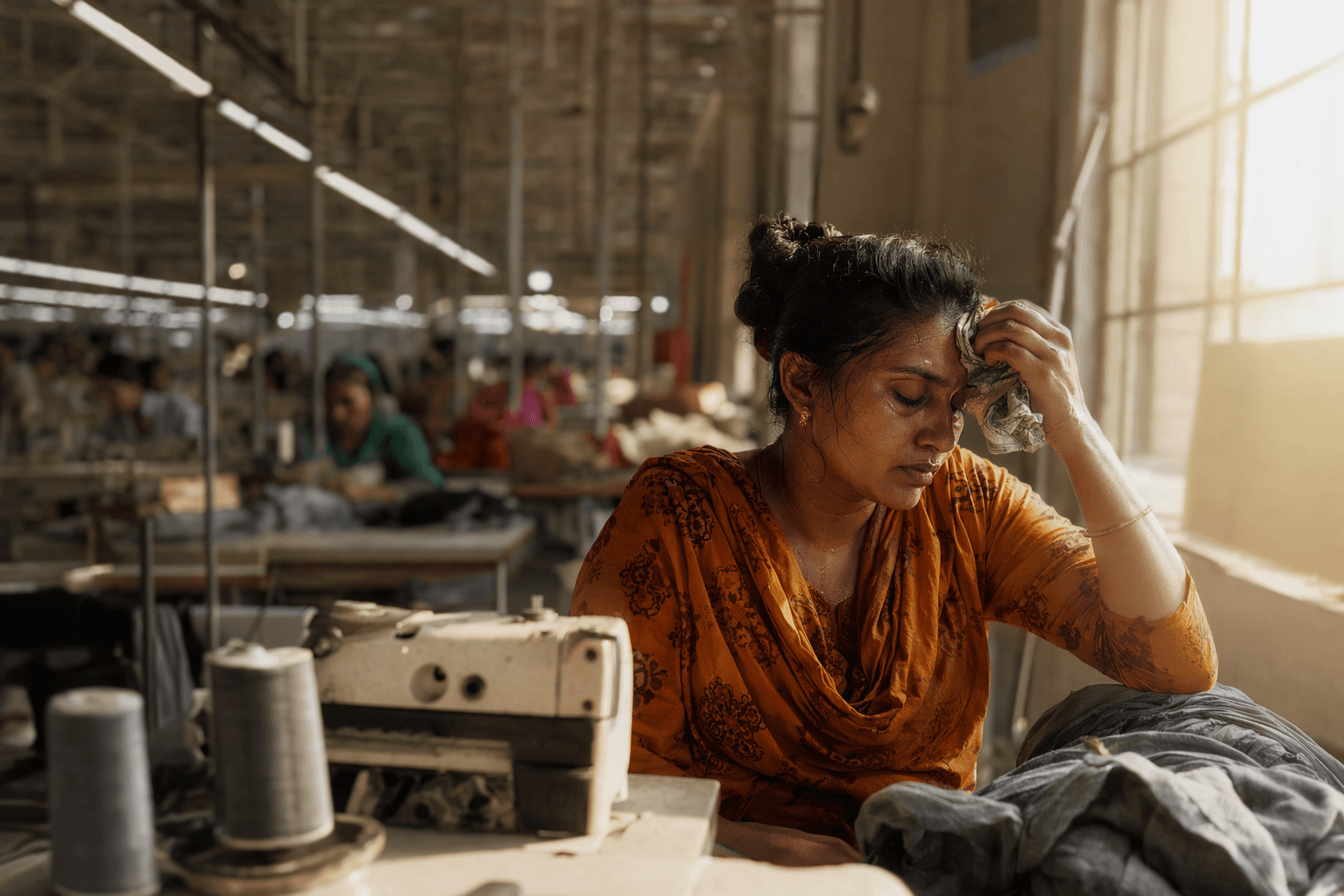
Better Work has already put hard numbers on what inaction could cost. The organization said the $1.77 trillion global apparel industry employs about 90 million workers, and warned that apparel industries in Viet Nam, Cambodia, Pakistan and Bangladesh could lose as much as $65.8 billion in potential export earnings by 2030 if climate impacts are ignored. Those same four countries could see 1 million fewer new jobs by 2030 and 8.64 million lower employment by 2050 without adaptation.
The message from labor advocates is even starker: brands have spent years setting emissions goals while leaving workers exposed. The Business and Human Rights Resource Centre said only 11 of 65 leading fashion brands acknowledged climate-related impacts on workers in their social and human-rights policies, and only four had published guidance on heat-related stress. Climate Rights International said the International Accord for Health and Safety in the Garment and Textile Industry agreed on December 10, 2025, to develop a Protocol on Heat Stress.
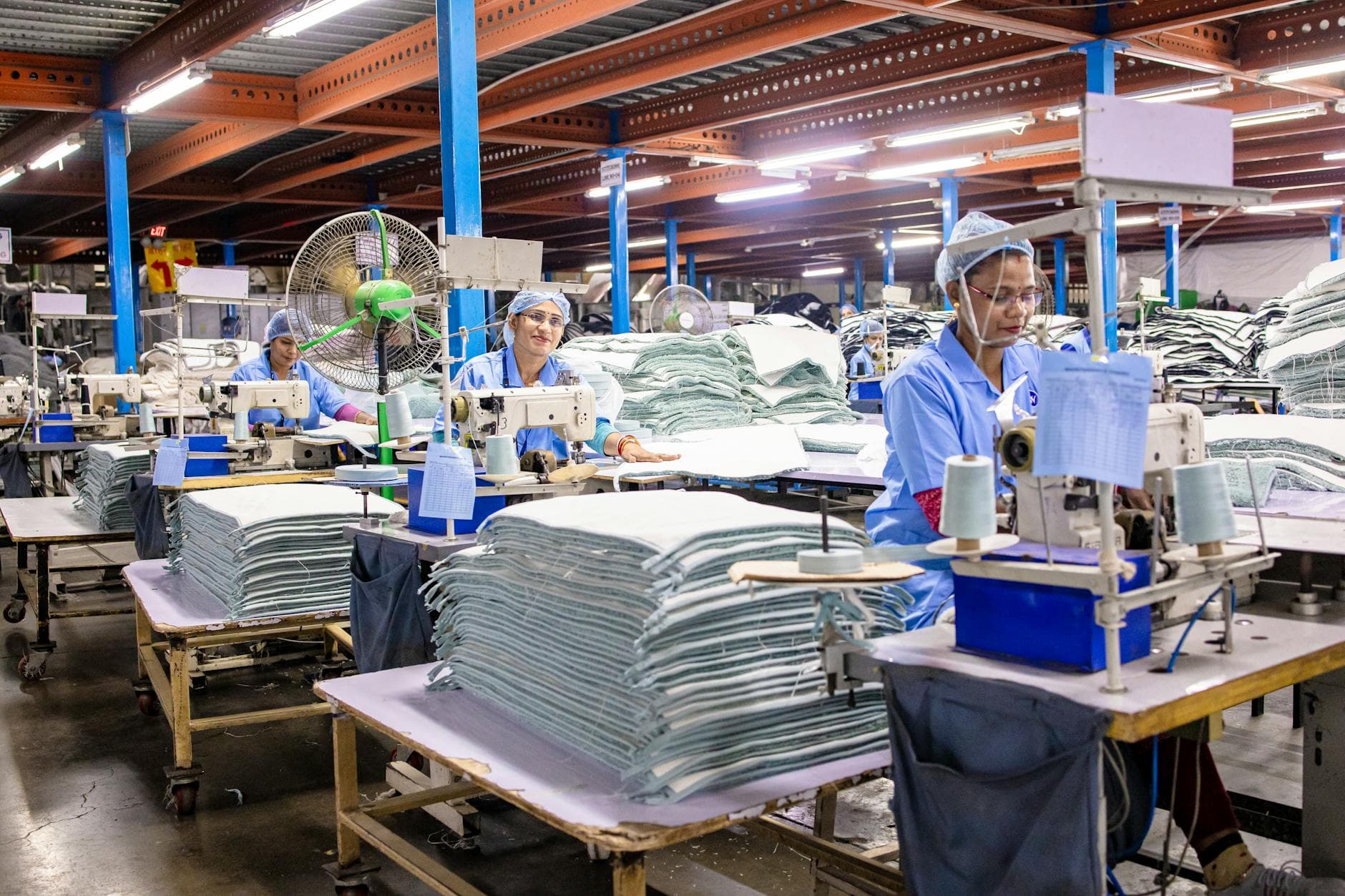
New field research has underscored how immediate the danger already is. HeatWatch and the Tata Institute of Social Sciences surveyed 115 garment workers in Tamil Nadu and Delhi-NCR, carried out 47 in-depth interviews, and studied 15 factories across Tamil Nadu, Delhi-NCR and Gujarat. The result is a blunt warning for fashion buyers: heat protection cannot be treated as a wellness extra. It has to be built into procurement, factory financing and contract terms, or the costs will show up in missed orders, sick workers and broken supply chains.
This article was produced by Prism’s automated news system from verified source data, official records, and press releases, then run through automated quality and moderation checks before publishing. The system is built and supervised by the people who set the standards it runs under. Read our full AI policy.
Did this article answer your question?