Pakistani Textile Sector Urged to Embrace Biodegradable Fabrics and Ethical Sourcing
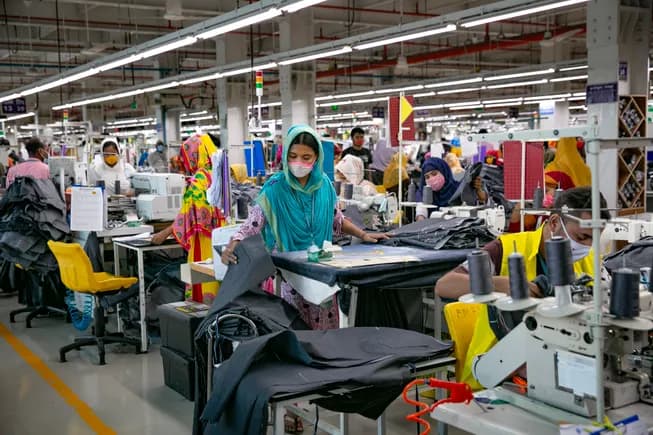
A Faisalabad seminar called on Pakistan's textile industry to shift toward biodegradable fabrics and ethical sourcing before global markets force the change.

The University of Agriculture Faisalabad became an unlikely but fitting venue for one of Pakistan's more urgent fashion conversations on February 26, when a seminar brought together voices from the textile sector to push for a fundamental rethinking of how the country's industry operates.
The call was direct: accelerate eco-friendly innovation or risk being left behind. Participants urged textile and fashion businesses to adopt biodegradable fabrics, invest in water reduction technologies, commit to ethical sourcing, and build recycling and upcycling into their production cycles rather than treating sustainability as an afterthought.
Pakistan's textile sector is one of the country's most economically significant industries, which makes its environmental footprint equally significant. The seminar positioned biodegradable fabrics not as a niche concern but as a structural necessity, one that addresses both the waste generated by synthetic textiles and the growing scrutiny from international buyers and regulatory bodies who are demanding cleaner supply chains.
Water reduction was given particular weight, a sensible focus given that conventional textile dyeing and finishing are among the most water-intensive processes in manufacturing. Ethical sourcing, meanwhile, addresses the full length of the supply chain, from cotton fields to cutting rooms, and the seminar framed it as inseparable from any credible sustainability strategy.
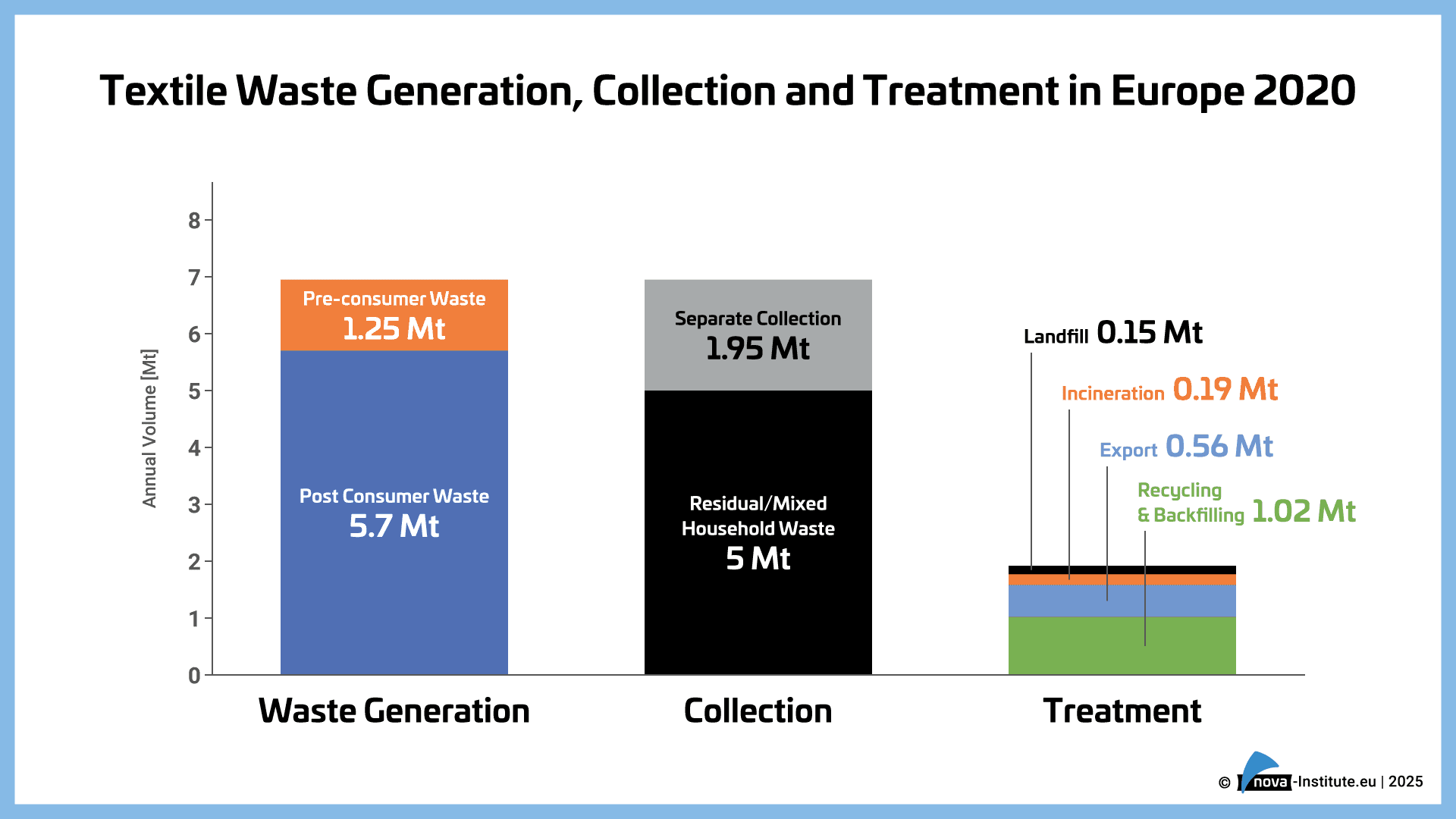
Recycling and upcycling rounded out the discussion, reflecting a broader global shift in how fashion is starting to think about end-of-life for garments and fabric scraps. For a country that produces at the scale Pakistan does, capturing value from textile waste rather than discarding it represents both an environmental and economic opportunity.
The conversation at Faisalabad signals that pressure for change is now coming from within the industry's own academic and professional circles, not just from foreign buyers or NGOs. That shift in where the urgency originates may prove to be the more significant development.
This article was produced by Prism’s automated news system from verified source data, official records, and press releases, then run through automated quality and moderation checks before publishing. The system is built and supervised by the people who set the standards it runs under. Read our full AI policy.
Did this article answer your question?