Picvisa and Girbau Launch Europe’s First Fully Automated Post-Consumer Textile Sorting Plant
Picvisa and Girbau launched a fully automated post-consumer textile sorting plant in Northern Europe, marrying Girbau’s Sortech feeding line with Picvisa’s ECOSORT optical sorter.
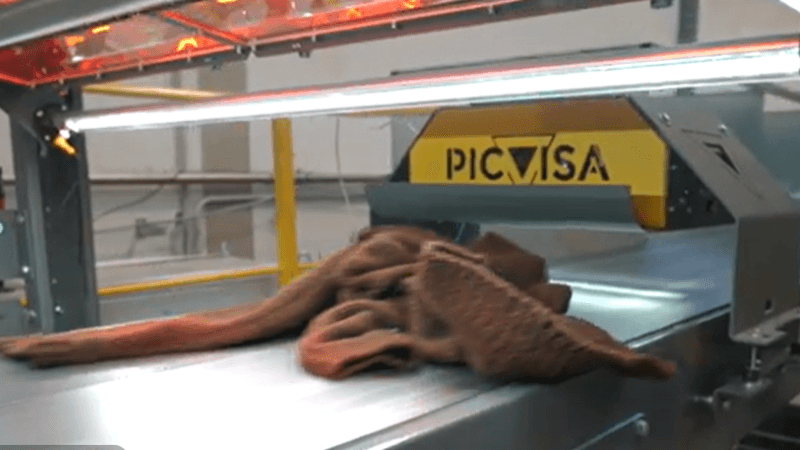
Picvisa and Girbau unveiled a continuous, fully automated post-consumer textile sorting plant in Northern Europe on February 26, 2026, combining Girbau’s Sortech automated feeding and separation system with Picvisa’s ECOSORT optical sorting technology in a single production line. The partners position the installation as one of the first in Europe to fully integrate automated feeding and advanced optical textile sorting for post-consumer garments.
Technically the line is straightforward and ruthless: Sortech handles automated feeding, separation and controlled distribution of incoming garments, a system Girbau originally developed for industrial laundry applications and adapted for the wear-and-tear and variety of post-consumer textiles. ECOSORT applies AI-based hyperspectral and machine vision sorting to identify and classify garments by fibre composition, colour and garment type, producing homogeneous output fractions intended for reuse channels or downstream mechanical and chemical recycling.
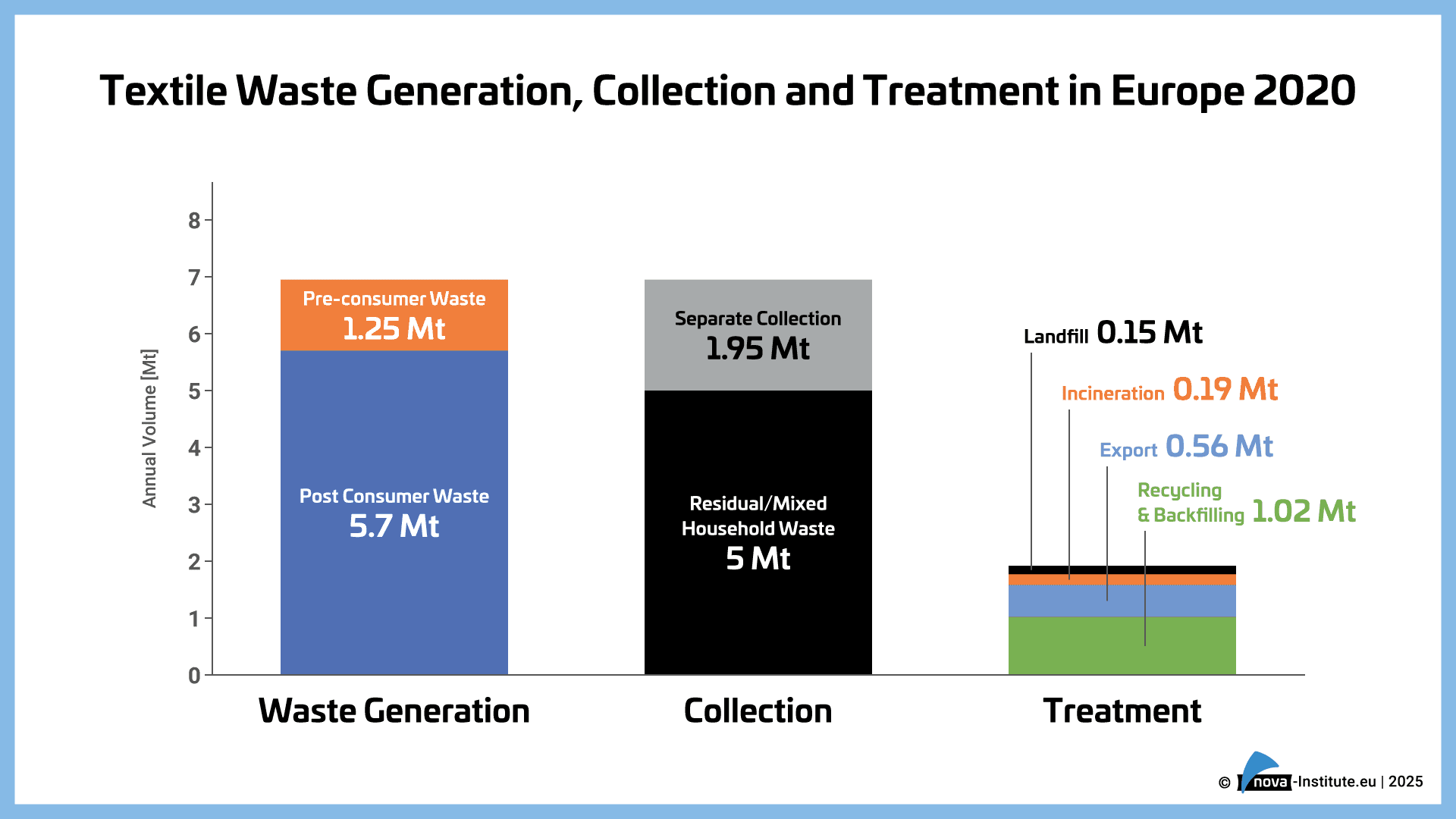
The companies claim the combined system stabilises material flow from feeding through classification and increases throughput while reducing the need for manual pre-sorting. Picvisa and Girbau describe gains in process stability, more precise and consistent sorting, reduced reliance on manual labour and improved operator ergonomics by replacing repetitive manual handling. The installation is described as scalable and robust, built to handle rising separate collection volumes across Europe and to meet quality requirements for secondary raw materials processing.
For Picvisa this Northern Europe plant marks the ECOSORT system’s eighth installation in Europe and represents the company’s second turnkey textile sorting plant on the continent. Picvisa is based in Barcelona and Girbau in Vic, Spain. The launch is billed as the first milestone in a strategic collaboration to industrialise textile recycling with integrated, repeatable hardware and software solutions.

The trade press frames the project as a response to regulatory pressure and growing collection volumes, noting that the technical concept can be replicated in other markets where automated post-consumer textile sorting capacity is needed. That replicability is the real sell: a single continuous line that moves from feeding to clearly defined output fractions could be copied into other facilities without reimagining the wheel.
Several specific operational details remain undisclosed publicly. The companies have not released the exact Northern Europe site, ownership or operator model for the plant, throughput capacity in tonnes, sorting accuracy metrics, project cost, or workforce impacts. Those data points will determine whether this is a pilot showcase or a commercially transformative model for large-scale textile recycling.
If Picvisa and Girbau can supply verifiable performance figures and secure offtake for the homogeneous fractions they claim to produce, this technical pairing could be the infrastructure shift the circular textile market needs to move from proof of concept to real industrial scale.
This article was produced by Prism’s automated news system from verified source data, official records, and press releases, then run through automated quality and moderation checks before publishing. The system is built and supervised by the people who set the standards it runs under. Read our full AI policy.
Did this article answer your question?