Rana Plaza survivors boycott fashion NGOs over exploitation and opaque compensation
Rana Plaza survivors are turning on the NGOs born from the disaster, saying they traded on trauma while compensation stayed opaque and consent was ignored.
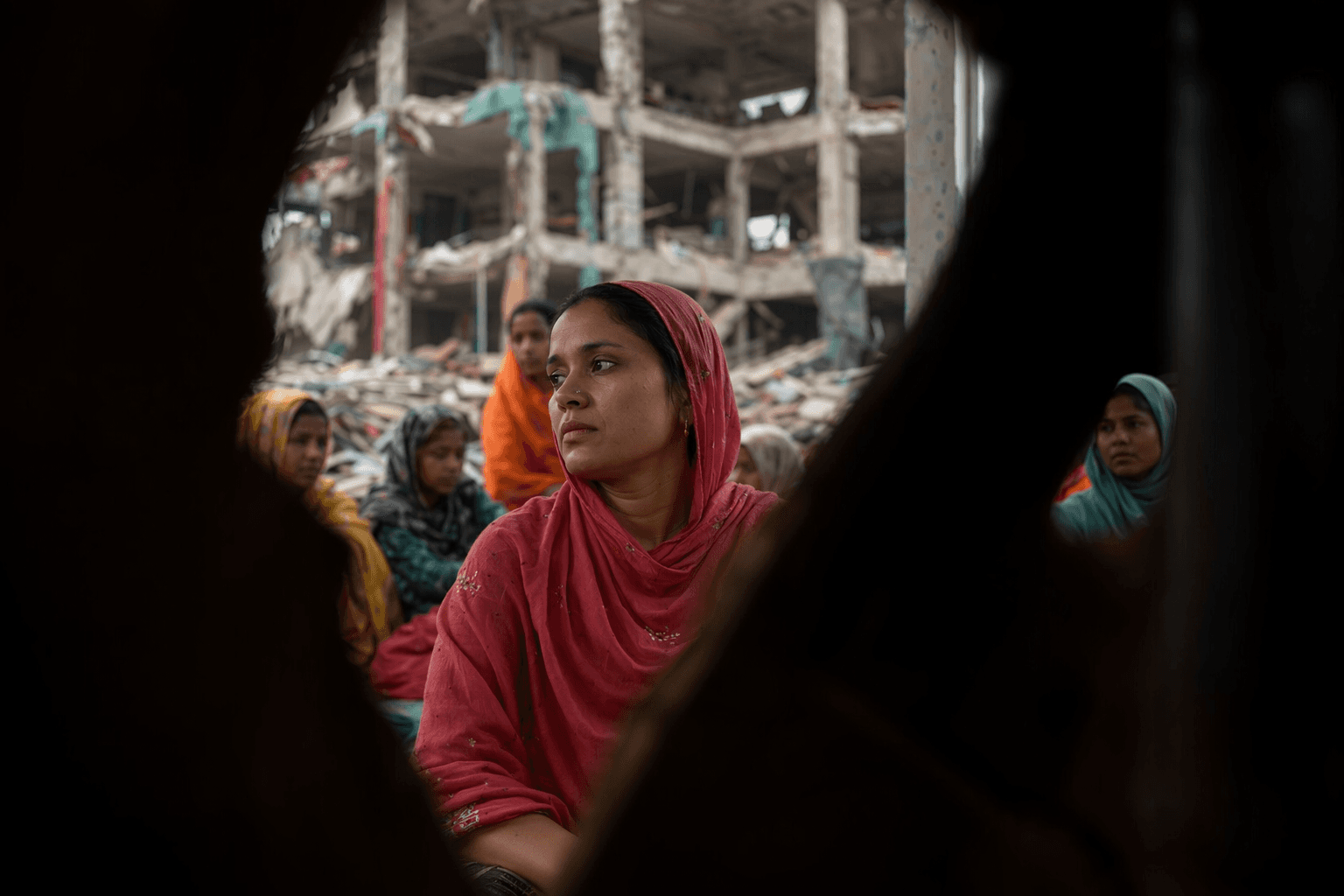
More than 1,100 people died when Rana Plaza collapsed in Savar, near Dhaka, and the disaster has never stopped haunting fashion’s moral language. Now the survivors who once symbolized reform are pushing back, launching a boycott of leading fashion NGOs and accusing them of exploiting victims’ trauma while they prepare complaints to fraud agencies, governments and other official bodies.
The latest rupture centers on the International Rana Plaza Alliance, a survivor-led umbrella group that is challenging the International Labour Organization’s Rana Plaza Donors Trust Fund. IRPA says the compensation process is opaque, "illegal" and discriminatory, and wants fashion NGOs to stop fundraising in survivors’ names without consent. That is the sharp reversal at the heart of the story: the people held up for more than a decade as proof that the industry had learned its lesson are now saying the system built around their suffering answers to institutions, not to workers.
Rana Plaza still carries a brutal public memory because the scale was so extreme. The ILO says more than 1,100 people died and more than 2,500 were injured when the building collapsed on April 24, 2013, and other labor-rights accounts have long put the death toll at 1,134 or 1,138, with nearly 2,600 injured. Five months earlier, the Tazreen Fashions fire had already killed at least 112 workers, making clear that Rana Plaza was not an isolated catastrophe but the most visible point in a broader garment-industry crisis.
The pressure is landing on the NGO ecosystem that grew up in that aftermath. Fashion Revolution, founded by Carry Somers and Orsola de Castro in the wake of Rana Plaza, has become one of the best-known names in fashion activism. It is also now operating under strain, with its UK headquarters closing amid a difficult funding and operating environment. That matters because the boycott is not only about one trust fund or one campaign. It is about who gets to translate disaster into advocacy, who gets to collect money in the language of rescue, and who gets left out of the decision-making.
Survivor demands are concrete. The Rana Plaza Survivors Association has called for transparency over foreign fundraising, fair compensation, long-term medical care and rehabilitation, and disclosure of collected funds. Dhaka Tribune reported one survivor as having undergone 11 surgeries and still unable to afford treatment. That is the human scale behind the politics: after 13 years, Rana Plaza is still not just a symbol of reform, but a test of whether fashion’s accountability is owed to the people who lived through the collapse or to the institutions that built careers around it.
This article was produced by Prism’s automated news system from verified source data, official records, and press releases, then run through automated quality and moderation checks before publishing. The system is built and supervised by the people who set the standards it runs under. Read our full AI policy.
Did this article answer your question?