Safia Minney returns with Indilisi, championing craft over fashion overproduction
Safia Minney's new label Indilisi bets on 100% organic cotton and Fair Trade craft, but her real argument is harsher: fashion must produce far less to survive.

Safia Minney is back with a proposition that cuts against the industry’s appetite for scale. Indilisi is built on 100% GOTS-certified organic cotton, Fair Trade production and artisan collaboration, but the bigger claim is structural: if craft is going to matter, fashion has to make far less of everything and pay for the labor that sits behind each seam, weave and stitch.
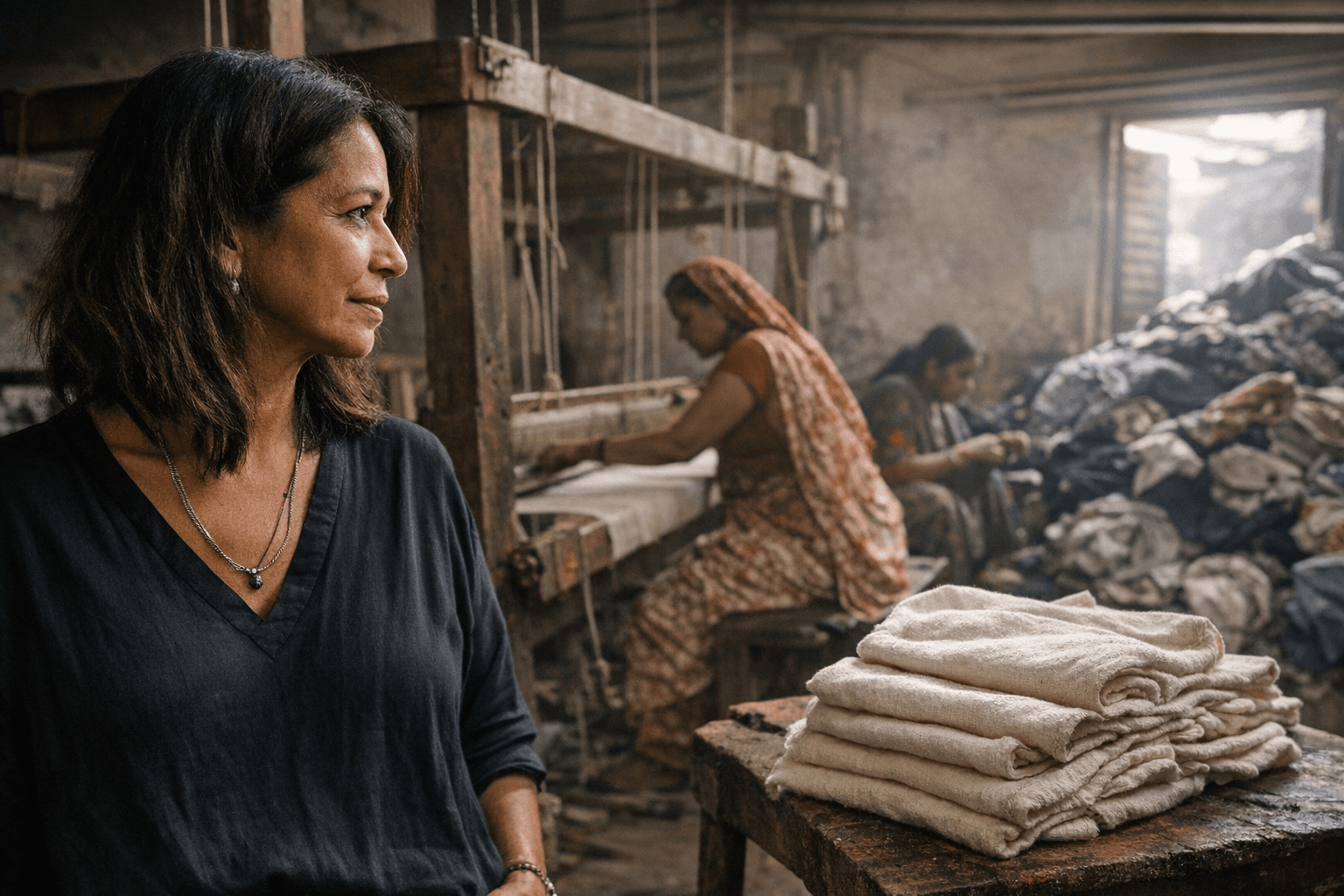
That is a harder sell than a polished sustainability slogan. Minney founded Global Village and People Tree in Tokyo in 1991, and People Tree became one of the first clothing brands to earn Global Organic Textile Standard certification and the first to receive the World Fair Trade Organization label. She stepped down from People Tree in 2015, then returned in 2024 to villages in India and Bangladesh where artisans weave, tailor and embroider. What she found, by her account, was not progress but stasis, and in some places worse conditions than before.
Indilisi is her answer to that frustration. The new label works with Fair Trade groups in Bangladesh, India and Kenya, and presents itself as “where sustainability meets artistry.” That phrasing matters because it reframes craft as infrastructure rather than decoration. Handwork here is not a romantic finish for a luxury buyer; it is the production model itself, with lower-carbon organic cotton and smaller runs standing in for the churn of constant replenishment.
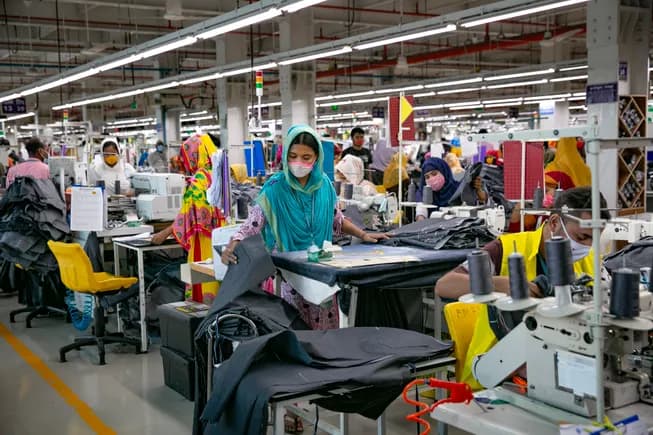
The financial reality around ethical fashion is less forgiving. People Tree’s U.K. business collapsed into administration and liquidation in 2023, owing about £8.5 million. That failure is the cautionary note beneath Minney’s return. It shows how quickly a mission-led label can be crushed by the same pressures that haunt the wider market: thin margins, high labor costs and consumer expectations shaped by cheap, rapid turnover.
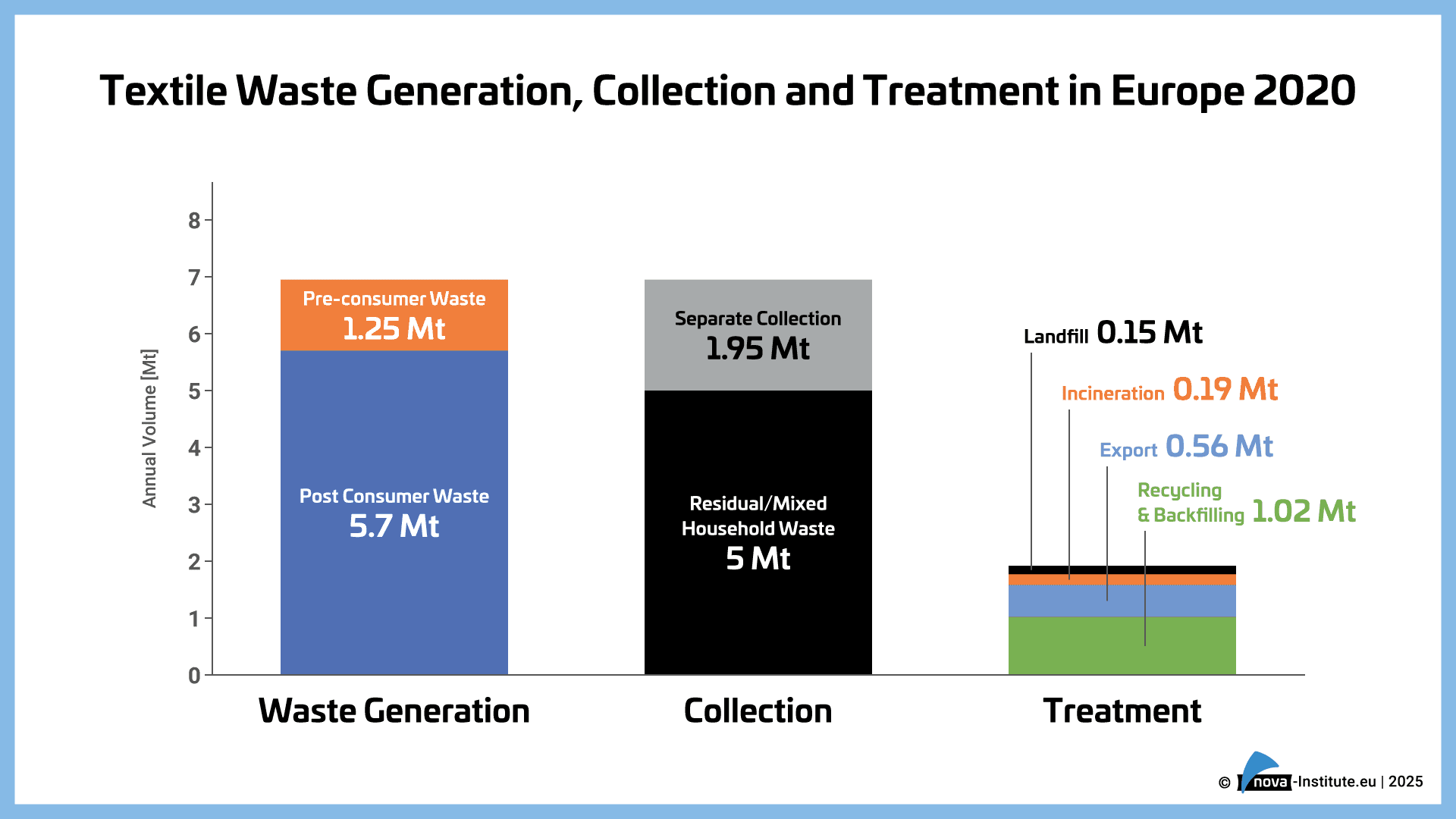
Those pressures are exactly why the industry’s climate language has shifted toward systems change. The Fashion Industry Charter for Climate Action, backed by UN Climate Change in 2018, set a path to net-zero by 2050 and called for 100% renewable electricity by 2030, plus a phaseout of coal in the supply chain by 2030. The Ellen MacArthur Foundation still describes fashion as a linear system of overproduction and waste, not a circular one, and later reporting has put annual textile waste at roughly 92 million tonnes.
That is the brutal math Indilisi is running into. Craft can cut waste, lower dependence on virgin synthetics and restore value to labor, but only if the industry accepts smaller volumes and higher prices. Minney’s new label is a reminder that the craft conversation is no longer about sentiment. It is about whether fashion can afford to make less, or whether it will keep pretending that more is the only model that scales.
This article was produced by Prism’s automated news system from verified source data, official records, and press releases, then run through automated quality and moderation checks before publishing. The system is built and supervised by the people who set the standards it runs under. Read our full AI policy.
Did this article answer your question?