Salvos Stores Opens Australia's First AI-Powered Textile Recovery Facility in Queensland
Salvos Stores opened Australia's first AI-powered textile recovery facility, backed by $4.97M in Queensland Government funding, targeting 5,000 tonnes of clothing diverted from landfill annually.
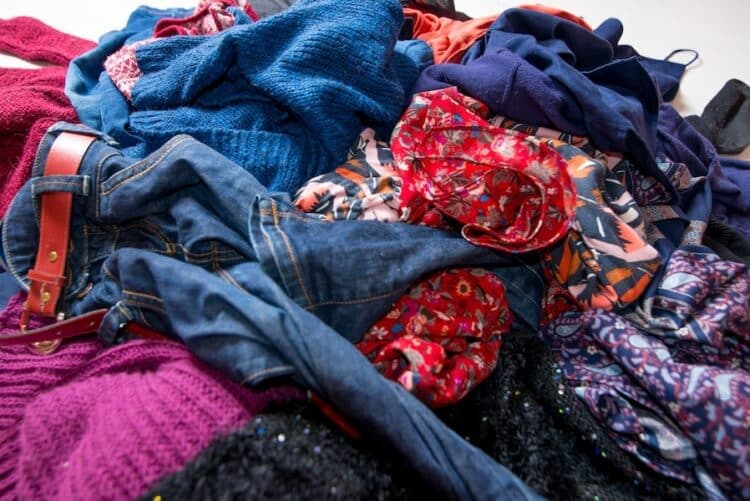
Australia sends more than 200,000 tonnes of clothing to landfill every year. Salvos Stores just built the infrastructure to start clawing that number back.
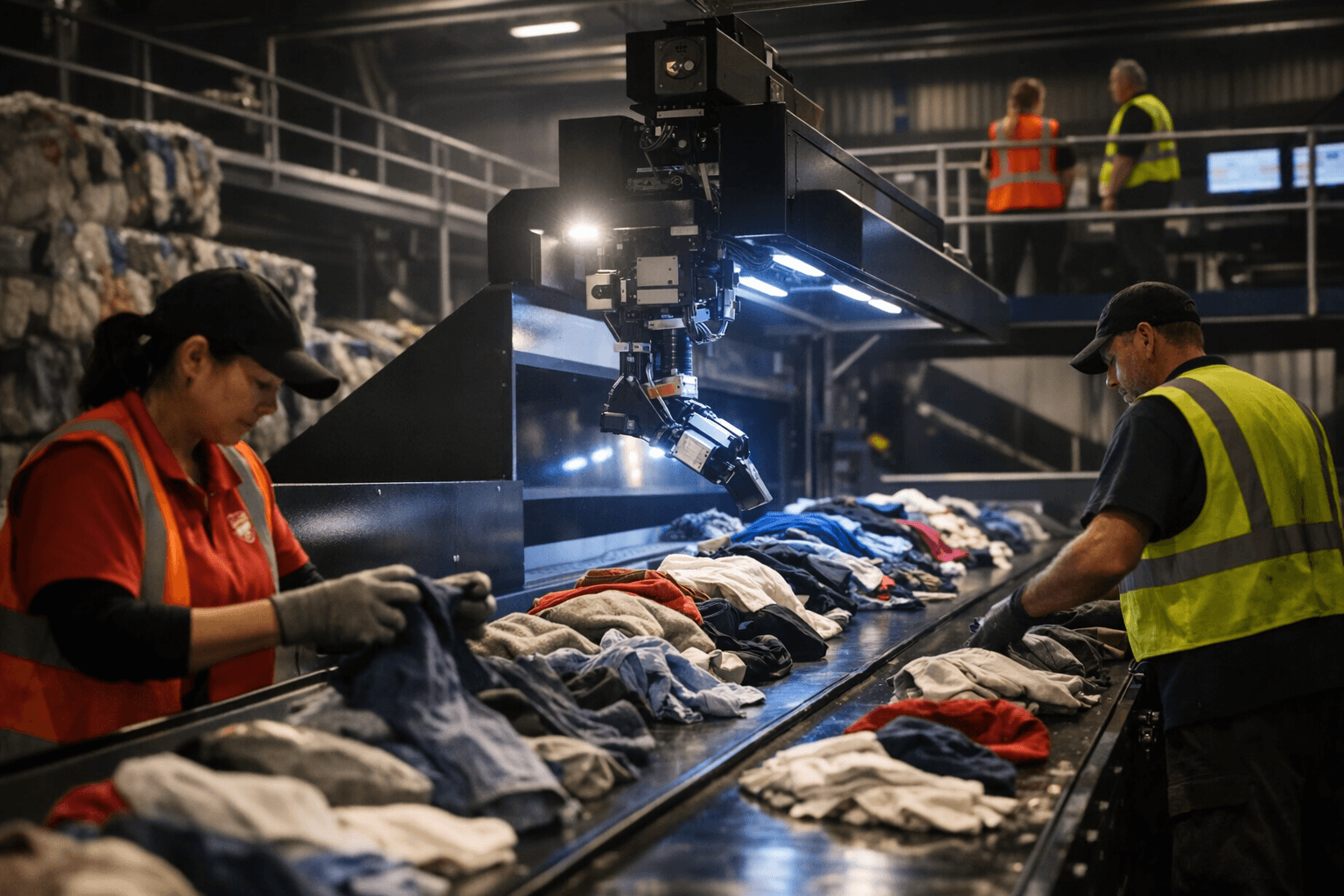
The Salvation Army's retail arm opened its Textile Recovery Facility in Brisbane on March 17, in partnership with the Queensland Government, which committed $4.97 million to establish what Salvos and the Crisafulli Government describe as an Australian first. The facility uses AI and robotic sorting systems to process donated textiles at scale, automating a decommissioning pipeline that can handle up to 5,000 tonnes per year.
The technology does more than sort fabric by colour or condition. According to reporting on the facility's capabilities, the automated systems sort textiles by material type, remove buttons and zippers, and decontaminate garments before redirecting them. Sellable items flow back to Salvos Stores for resale; unwearable pieces are diverted into new product streams including sound-proofing materials, insulation, and reclaimed fibre remade into fabric and blankets. Nothing in that chain is destined for landfill by design.
"Each year, our community of Salvos Stores shoppers give a new home to millions of donated items, keeping them in circulation," said Meriel Chamberlin, Business Development Manager for Salvos Stores. "Our Textile Recovery Facility is our new way to keep even more textiles in circulation and out of landfill, turning cutting-edge innovation into real solutions."
The scale of what Salvos already moves through its 400-plus stores is significant: 52 million donated items were kept in circulation in 2025. The Brisbane facility is designed to capture what falls outside that resale pipeline, converting it into feedstock rather than waste, and generating additional revenue that funds The Salvation Army's frontline social programs.
Nic Baldwin, Head of Salvos Stores, framed the opening in explicitly practical terms. "It's about taking real, practical steps to reduce textile waste and keep more out of landfill, while continuing to find new ways to generate vital funding for the life-changing programs of The Salvation Army," Baldwin said.
Queensland's Minister for the Environment and Tourism, Andrew Powell, positioned the $4.97 million investment as part of the Crisafulli Government's broader waste infrastructure agenda. "This facility will reduce the amount of textile waste going to landfill, but it will also unlock new economic opportunities and support Queensland's transition to a sustainable economy," Powell said. "We recognise the critical need for waste infrastructure in Queensland, and we are taking action to deliver it through this new nation-leading facility."
For the fashion and retail industry, the facility represents something the sector has long needed: a credible downstream destination for garments that resale can't absorb. The chronic failure point in most donation and take-back schemes has been the absence of viable processing infrastructure for degraded or mixed-fibre textiles. A facility that can strip hardware, identify fibre composition by AI, and route material into industrial partnerships closes a gap that good intentions alone have never managed to close.
Salvos describes the Brisbane site as a launching pad rather than a finished solution, with plans to pilot and scale textile recovery approaches before the model is potentially replicated elsewhere. With 5,000 tonnes of annual capacity on the table and industrial partners already converting output into insulation and soundproofing, the ambition is measurable from day one.
This article was produced by Prism’s automated news system from verified source data, official records, and press releases, then run through automated quality and moderation checks before publishing. The system is built and supervised by the people who set the standards it runs under. Read our full AI policy.
Did this article answer your question?


