SDA Bocconi's M4CF Launches New Cycle Targeting Fashion's Unsold Inventory Crisis
SDA Bocconi's M4CF kicked off its 2026–2027 cycle in Milan with a direct mandate: solve fashion's unsold inventory crisis before the EU bans destruction of unsold textiles in July.
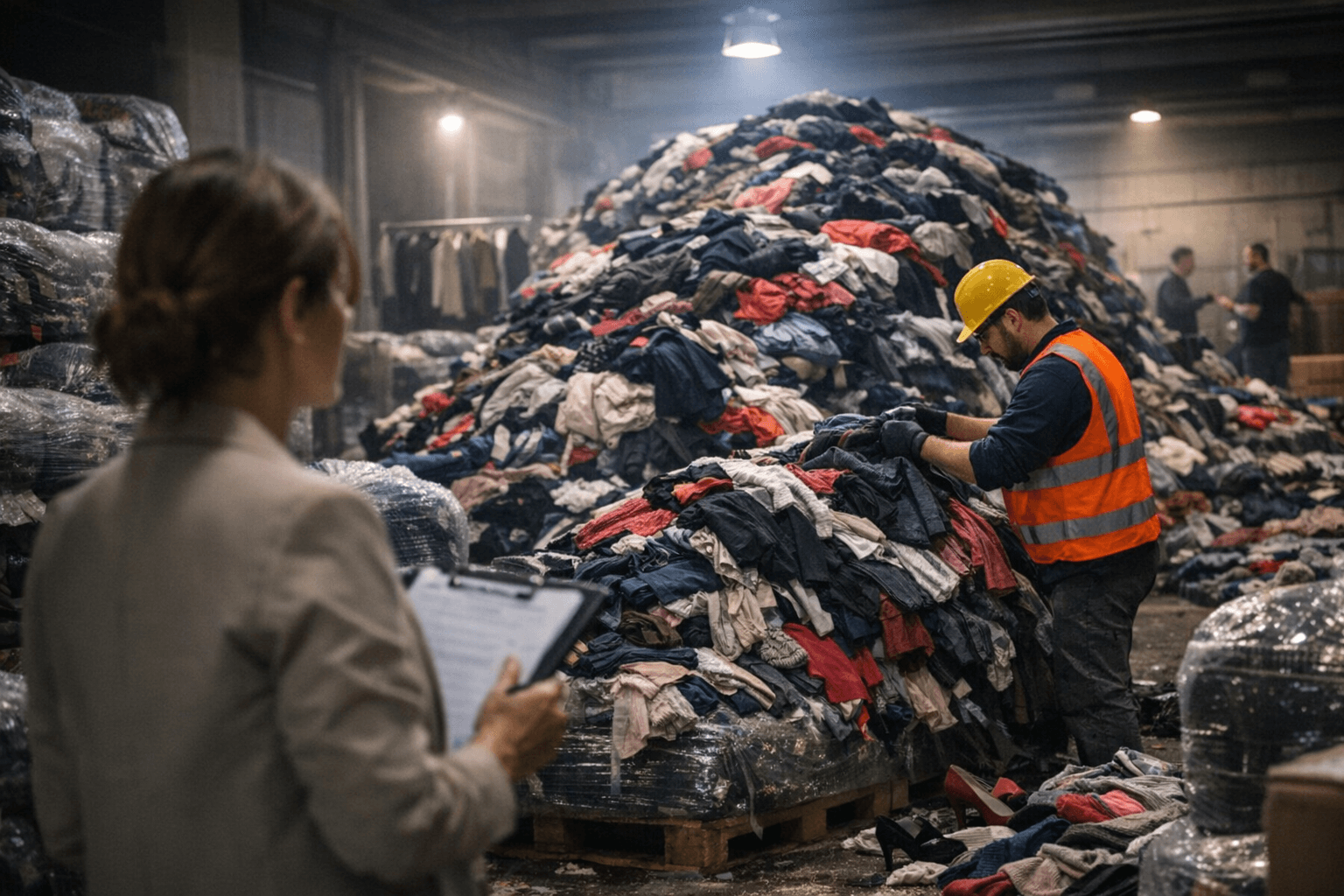
SDA Bocconi's Monitor for Circular Fashion launched its sixth cycle of activities on March 26, 2026, convening brands, suppliers, government ministries and industry associations in Milan to confront what the program's own framing calls "one of the main systemic and regulatory challenges for the sector": the mountain of unsold inventory that the fashion industry has yet to solve at scale.
The M4CF 2026–2027 work program has a defined starting point: identify scalable value-chain partnership models to reduce and manage unsold stock, with repair and reuse as the operational entry points. The objective, as set out by SDA Bocconi, is to "analyse and develop collaborative and scalable solutions among brands, suppliers, logistics operators and ecosystem players." The program builds on findings from the M4CF Report 2025/2026, subtitled "Transform to Perform," which was presented in February 2026 at SDA Bocconi and established circularity as what the monitor described as a competitive "licence to operate" rather than a voluntary gesture.
The regulatory urgency is precise: the ESPR's ban on the destruction of unsold apparel, clothing accessories and footwear applies to large companies from July 19, 2026. Medium-sized companies are expected to follow in 2030. M4CF has explicitly oriented its new work plan around those legislative priorities, meaning the industry has less than four months to have credible frameworks in place before the first compliance deadline arrives.
The kick-off plenary at SDA Bocconi's Milan campus drew institutional weight commensurate with the pressure. Among those present were the Ministry of Enterprises and Made in Italy (MIMIT) and the Ministry of the Environment and Energy Security (MASE), alongside industry associations Confindustria Moda and CNA Federmoda, confirming that this is no longer a conversation happening only inside fashion's own echo chamber.
Three new partners joined the M4CF 2026–2027 roster: Reju, Brandart and GS1. Collectively, they bring what SDA Bocconi described as "complementary expertise and perspectives on traceability, material management and supply chain solutions," three competencies that sit at the precise intersection of what unsold inventory management actually requires: knowing what exists, moving it intelligently, and tracking it end to end.
The Monitor for Circular Fashion is a multi-year, multi-stakeholder project; its 2025/2026 edition drew on desk research covering more than 30 updated sources, two separate surveys, co-creation workshops, and the validation of sector-specific KPIs, with a sample of 27 organizations spanning all stages of the value chain, from raw materials to end-of-life services. The 2026–2027 cycle inherits that infrastructure and sharpens it around the unsold inventory problem specifically.
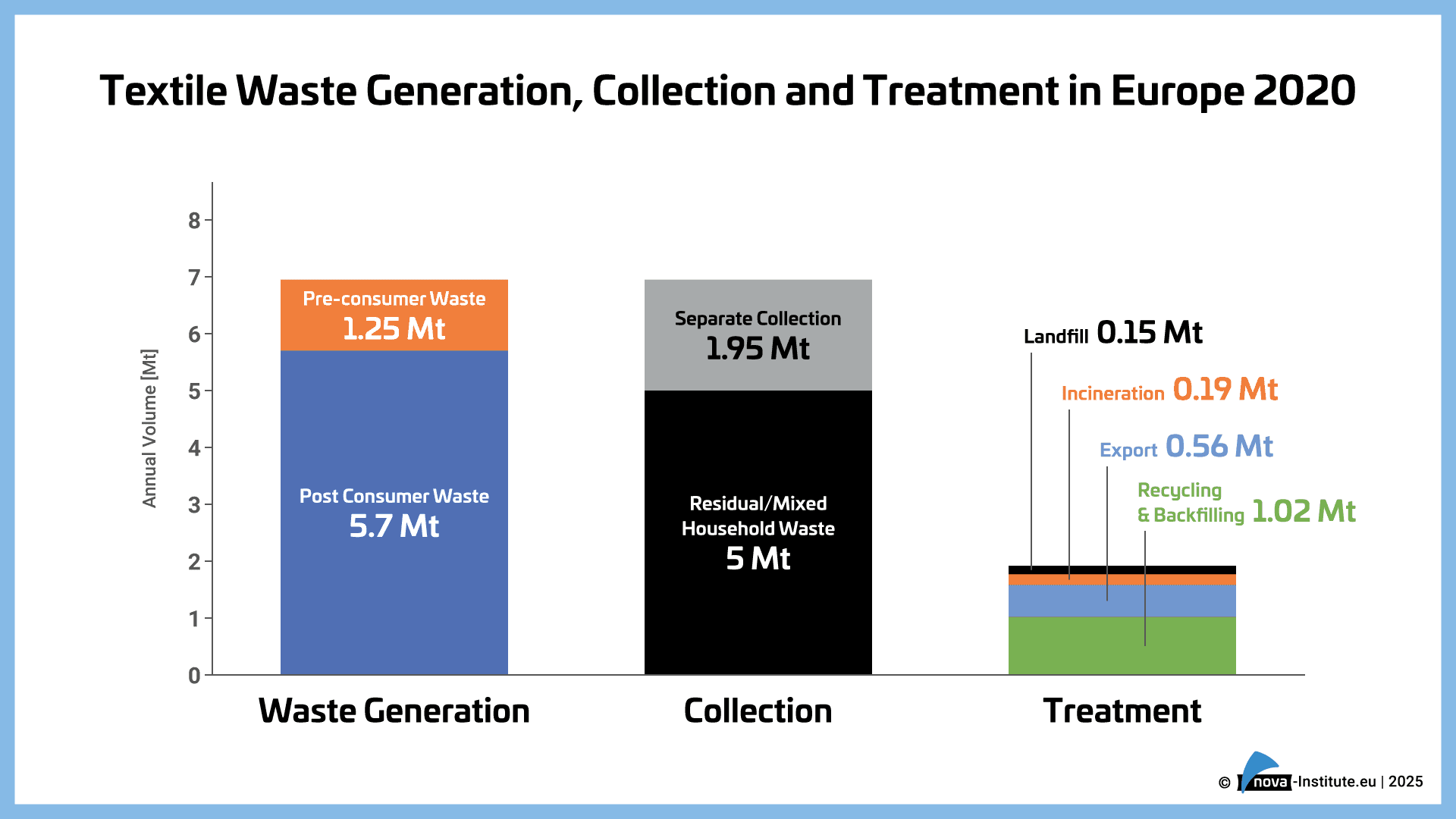
An estimated 4% to 9% of unsold textiles in Europe are destroyed each year before ever being worn, generating around 5.6 million tonnes of CO2 emissions, almost equal to Sweden's total net emissions in 2021. That scale of waste is precisely what makes the combination of regulatory deadline and coordinated industry research so consequential. The M4CF's work in Milan this week is, in effect, the fashion supply chain beginning to build the architecture it will need before summer.
This article was produced by Prism’s automated news system from verified source data, official records, and press releases, then run through automated quality and moderation checks before publishing. The system is built and supervised by the people who set the standards it runs under. Read our full AI policy.
Did this article answer your question?