Sewage Sludge Powers New Carbon-Negative Black Ink for Textile Printing
Bioforcetech's OurCarbon turns sewage sludge into a carbon-negative black pigment, now powering Virus Inks' ReThink Black screen-printing ink with -1.1 kg CO₂e per kg.

The blackest, most climate-destructive color in your wardrobe just got a radical origin story rewrite. Bay Area environmental tech company Bioforcetech, Portuguese textile firm RDD, and sustainable ink maker Virus Inks have launched a three-way collaboration to replace fossil-derived carbon black in textile screen printing with OurCarbon, a pigment pulled from treated sewage sludge and processed into a biochar with, according to the partners, measurable carbon-negative credentials.
The resulting product is ReThink Black, a 100% water-based, plant-based screen-printing ink formulated by Virus Inks and certified compliant with OEKO-TEX Standard 100, Class I. It is PVC-free and VOC-free, and the partners position it as a direct, production-ready alternative to the petroleum-intensive black inks that dominate apparel printing today.
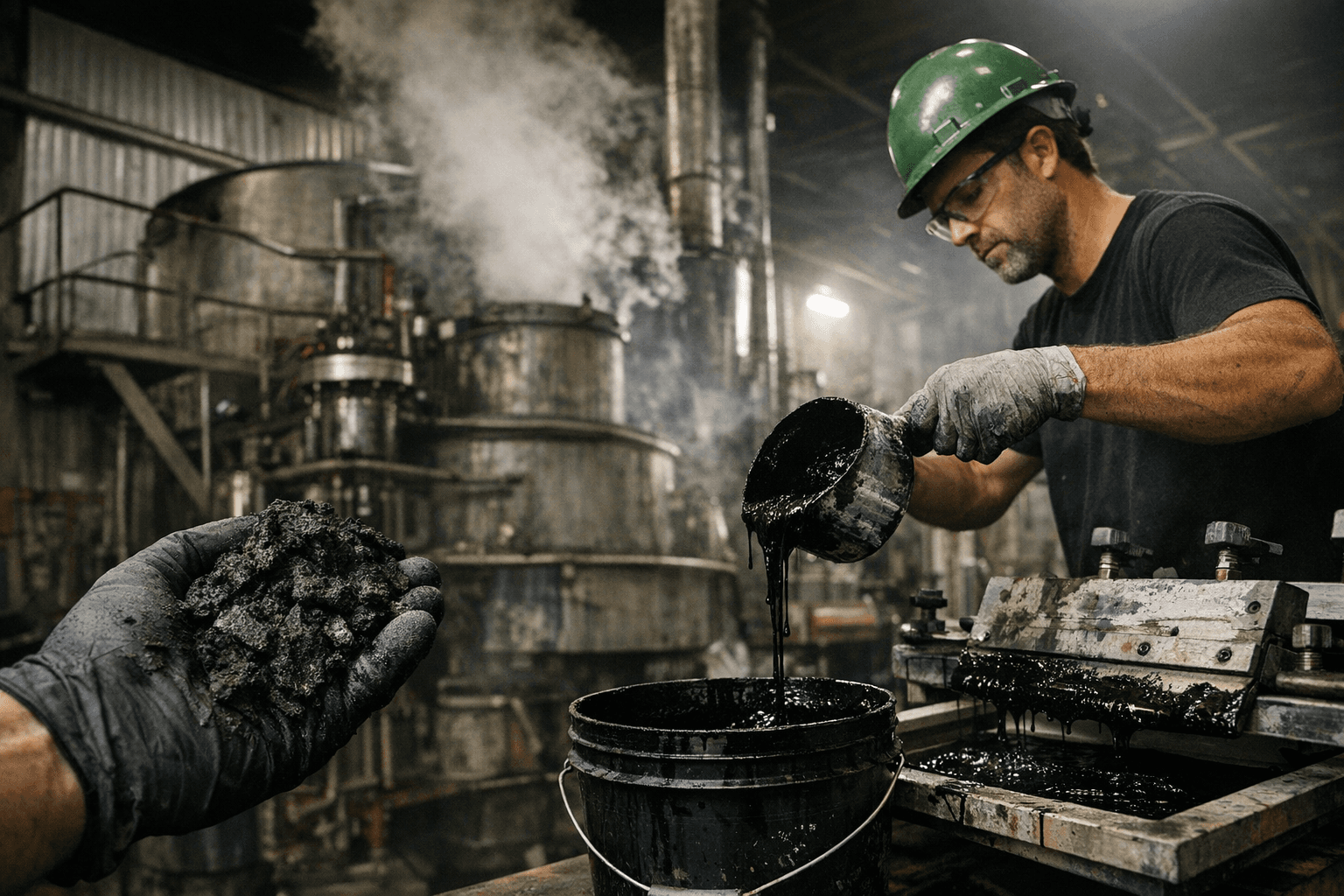
The process behind OurCarbon starts where most supply chains refuse to look: the waste stream. Bioforcetech diverts organic waste, including food waste and biosolids destined for landfill, dries the organic components using thermophilic bacteria in a proprietary BioDryer, then runs the dried material through pyrolysis in the absence of oxygen. The company describes this as a self-sustained net zero energy process. The output is a biochar with high coloring properties that Virus Inks then processes into ink. Bioforcetech already has OurCarbon deployed across multiple cities, though specific locations have not been disclosed.
The climate numbers the partners are citing are striking. According to figures shared on LinkedIn, OurCarbon produces just 0.08 tCO₂e per tonne during manufacturing and permanently fixes minus 1.1 kg of biogenic CO₂e per kg of material produced. The production process also eliminates contaminants including PFAS, a class of persistent chemicals that have become a flashpoint in textile regulation globally.
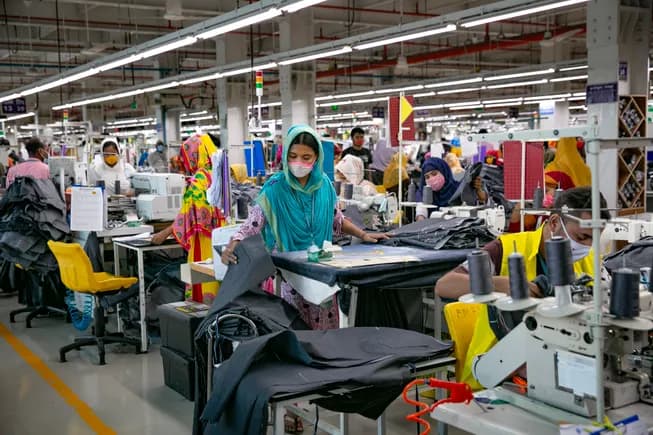
RDD's role in the collaboration is integration: the Portugal-based firm takes the OurCarbon-infused ink from Virus Inks and builds it into advanced printed textiles, creating what the three partners describe as a complete package for brands looking to construct full lines around circular materials. For the apparel industry, the pitch is coherent: one ink supplier, one textile innovator, one carbon-negative pigment source, all certified and ready for production.
Laura Quaglia, COO of Virus Inks, framed the ambition bluntly: "This collaboration proves that circular innovation is not a future concept, it is more than ready for production today." She has also stated that "quality, productivity, and sustainability can coexist without compromise," a claim that Virus Inks backs with performance specs describing excellent color saturation, good durability across a wide range of fabrics, and printing quality comparable to the best conventional water-based inks.
The independent verification questions are real. The emissions figures cited on LinkedIn use two different unit scales and the underlying life-cycle assessment methodology has not been made public. The OEKO-TEX certification scope, the specific cities running OurCarbon at scale, and the lab data behind the PFAS elimination claim all remain unconfirmed by third parties. Brands evaluating ReThink Black for production will want the technical datasheet and SDS before committing.
Still, the material logic is hard to dismiss. Conventional carbon black, the pigment behind most black textile inks, is a fossil fuel byproduct with a heavy emissions profile and well-documented toxicity concerns. A biochar-based alternative that starts with a waste stream already generating greenhouse gases, carries OEKO-TEX Class I compliance, and arrives formulated into a ready-to-use water-based ink represents a genuinely different category of product. Whether it scales to meet the volume demands of a global apparel industry running millions of black-printed units is the question the collaboration still has to answer.
This article was produced by Prism’s automated news system from verified source data, official records, and press releases, then run through automated quality and moderation checks before publishing. The system is built and supervised by the people who set the standards it runs under. Read our full AI policy.
Did this article answer your question?