Shahi Exports scales caustic-soda-free cotton pretreatment across knits operations
Shahi pushed Fibre52 into 3,000 tonnes of annual knit capacity, turning a caustic-soda-free cotton pretreatment from pilot into factory-floor reality.
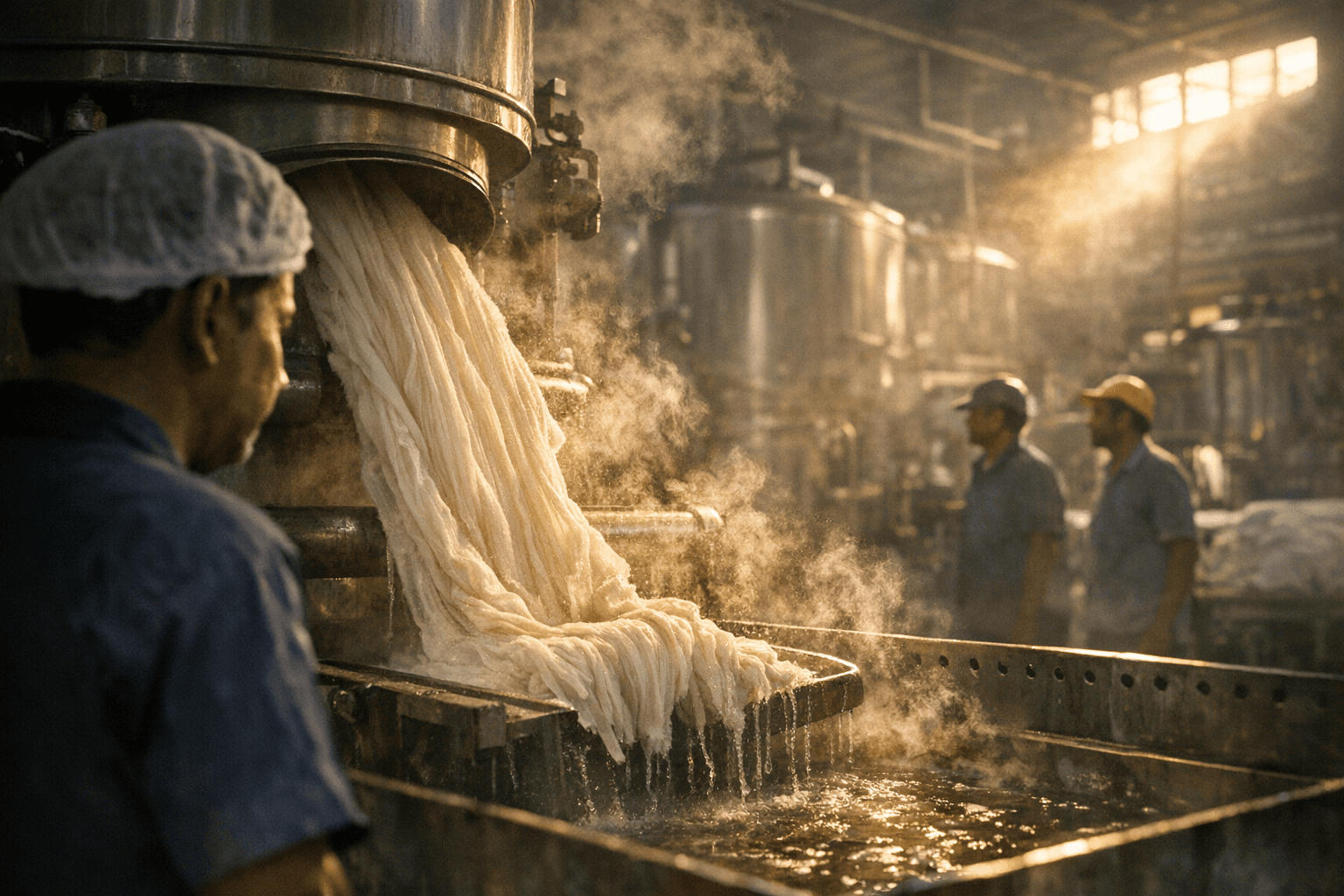
Shahi Exports has moved Fibre52 out of the nice-sounding pilot phase and onto the factory floor, and that is the part worth paying attention to. The company says the caustic-soda-free cotton pretreatment is now running across its integrated knits operations at a facility handling about 3,000 tonnes of annual knit capacity, making it the largest industrial-scale deployment of Fibre52 globally. In a market where sustainability claims often stop at the concept stage, this one is about throughput, wastewater load, and whether a cleaner chemistry can actually survive the pace of commercial production.
The technology matters because it attacks one of cotton processing’s messiest steps. Fibre52 is a patented, neutral-pH, low-temperature pretreatment that works without caustic soda, the harsh alkali that has long defined conventional cotton prep. Archroma says the system helps preserve cotton’s natural wax layer and structure, can cut process weight loss by 2% to 4%, and lowers energy and water use. The company also says pairing Fibre52 with AVITERA SE dyes can reduce water use and CO emissions by up to 50% in cotton and cotton-polyester processing. That is not a cosmetic upgrade. That is the kind of shift mills and brands notice when they start auditing real resource intensity instead of just product labels.
The rollout announced on April 21 followed a phased validation process that began in early 2024, moving through 5MT, 20MT and 100MT fabric trials before scaling to bulk production. That progression is the real proof-of-scale story. It shows the collaboration was not built on a one-off demo for a board deck, but on repeated production runs that had to hold up under commercial pressure. Shahi and Innovo Fiber LLC say the move takes the partnership from pilot-stage experimentation into commercial manufacturing.
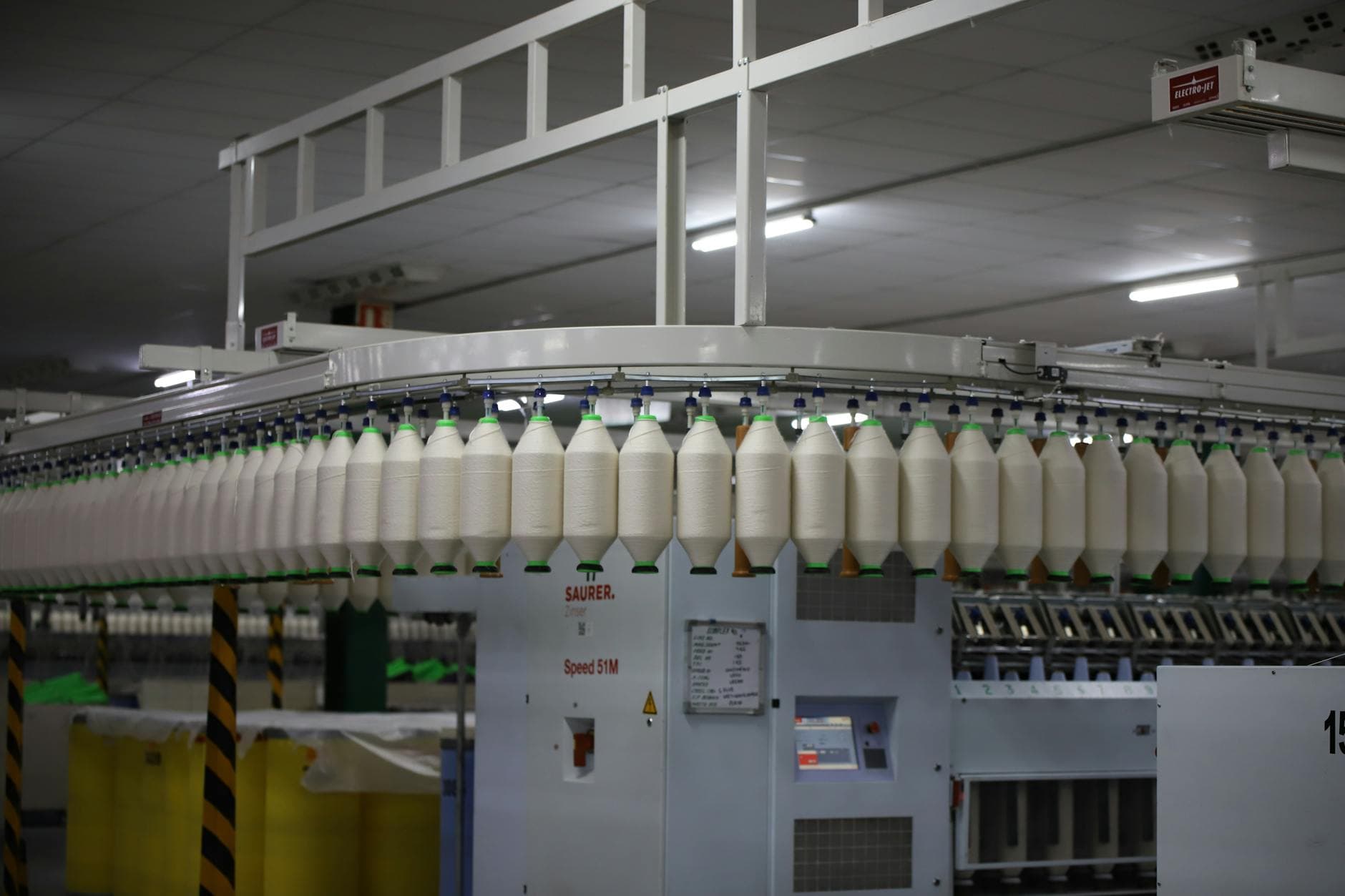
Certification also gives the project more weight. Shahi and its partners say the process is ZDHC MRSL- and OEKO-TEX-certified, which matters in a supply chain that increasingly wants cleaner chemistry baked in, not bolted on. ZDHC defines the MRSL as a science-based list of substances banned from intentional use in manufacturing processes, so this is not just about lower impact in theory. It is about meeting a tougher baseline for what can go into the bath in the first place.
The scale is what makes this hard to ignore. Shahi said in December 2025 that its FY 2024–25 sustainability progress report, covering April 1, 2024 to March 31, 2025, had reached 51% carbon-neutral energy and logged more than 1.3 million employee hours of training and engagement. Against that backdrop, Fibre52 looks less like a standalone green innovation and more like a test case for how a giant apparel manufacturer rewires process chemistry without slowing the line. If it holds at this volume, other mills will have to measure themselves against it.
This article was produced by Prism’s automated news system from verified source data, official records, and press releases, then run through automated quality and moderation checks before publishing. The system is built and supervised by the people who set the standards it runs under. Read our full AI policy.
Did this article answer your question?


