Spectroscopy and AI Help U.S. Startups Sort Textile Waste More Precisely
Refiberd's AI and hyperspectral imaging can detect trace spandex below 2% composition — a precision gap that has long sent misidentified blends to the wrong recycler.
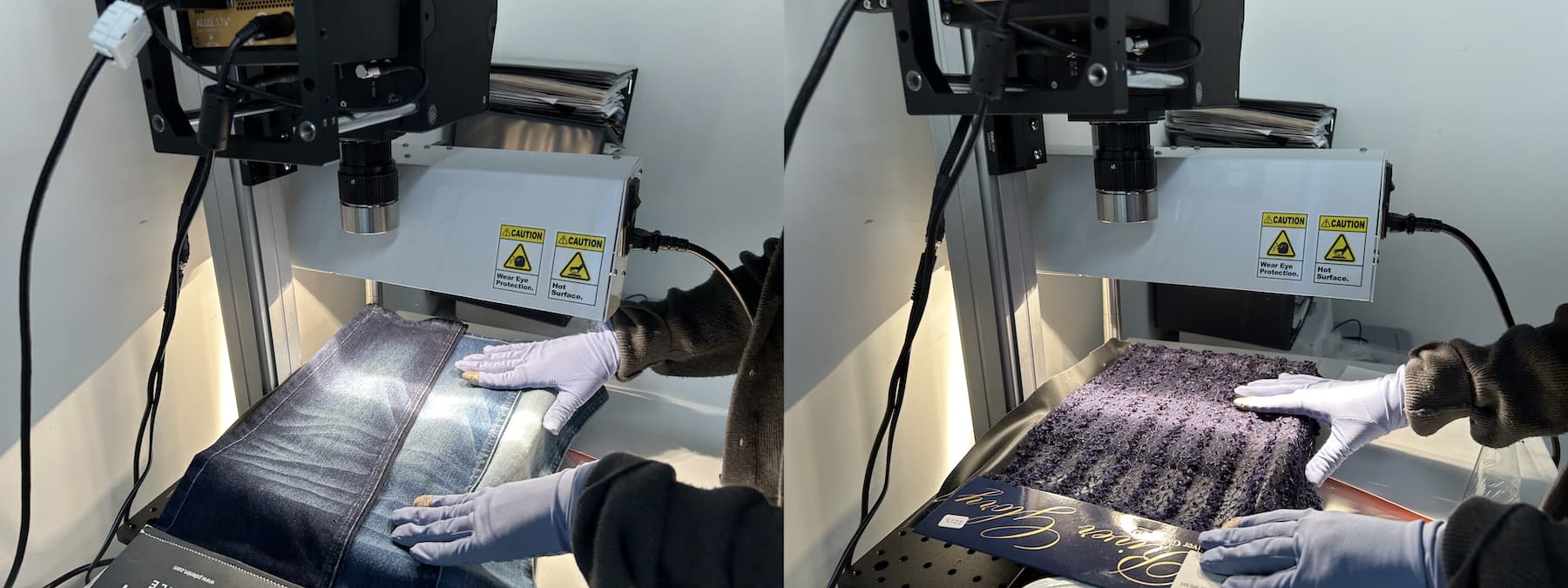
Sarika Bajaj, CEO and co-founder of Refiberd, an AI-enabled platform for textile recycling and quality control, has put her finger on one of the industry's most intractable problems: sorting. It is tricky for textile-to-textile recyclers to sort material because one garment can be made from so many different blends of natural and synthetic fibers. That complexity has long made the U.S. textile recovery system leaky at the seams — and a new generation of spectroscopy-powered startups is now trying to seal it.
Refiberd uses spectroscopy and AI to sort materials for textile-to-textile recycling and reuse applications. Where the old method required workers to read clothing labels, Bajaj says that approach is not always accurate, on top of being a time-intensive process. Refiberd's alternative is considerably more precise: the company offers proprietary AI software with high-definition hyperspectral imaging to enable a highly accurate material detection system, layering a state-of-the-art hyperspectral imaging system with artificial intelligence to accurately detect fiber composition and contaminant presence. Critically, it detects traditionally problematic materials, including trace amounts of spandex, nylon, and acrylic below 2% composition, via a contact-free system that operates at millisecond detection speed per garment.
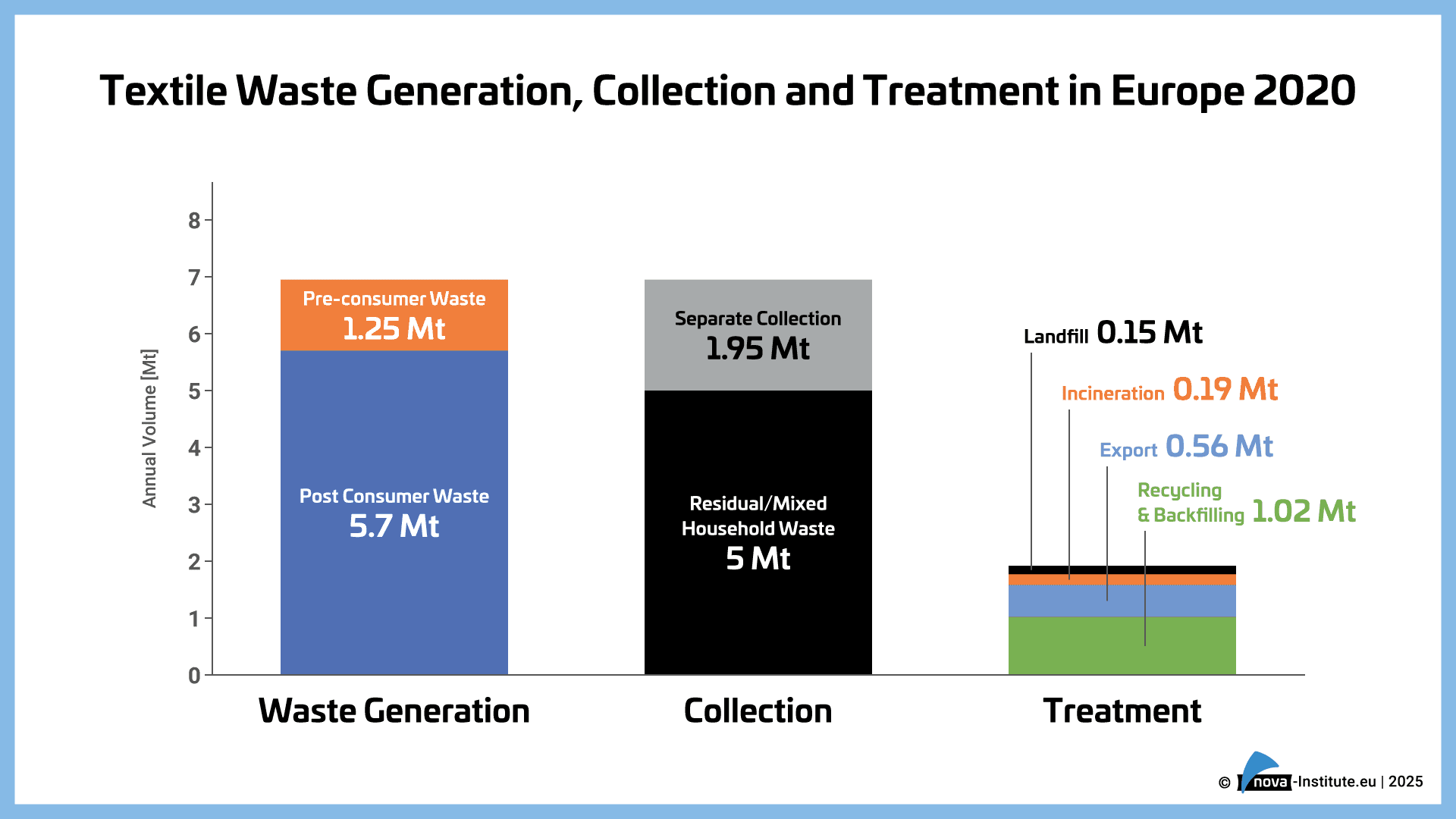
The stakes are high. Textile waste is the fastest-growing waste stream in the U.S., and only about 15% of these materials are recycled or reused each year. Recyclers suffer $7.5 billion in production yield losses due to bad feedstock. Getting the sort right before a garment reaches a downstream facility is, in economic terms, the difference between a usable feedstock and an expensive contaminant.
Refiberd is also expanding what its platform can assess. The company is currently testing a new element of its technology that aims to identify whether a specific garment has rips, tears, or pilling that would make it ineligible for resale. Thrift stores and clothing resellers are the target for this newer offering. That means the same system that routes a clean poly-cotton blend to a chemical recycler can flag a pilled cashmere pullover before it wastes a reseller's floor space.
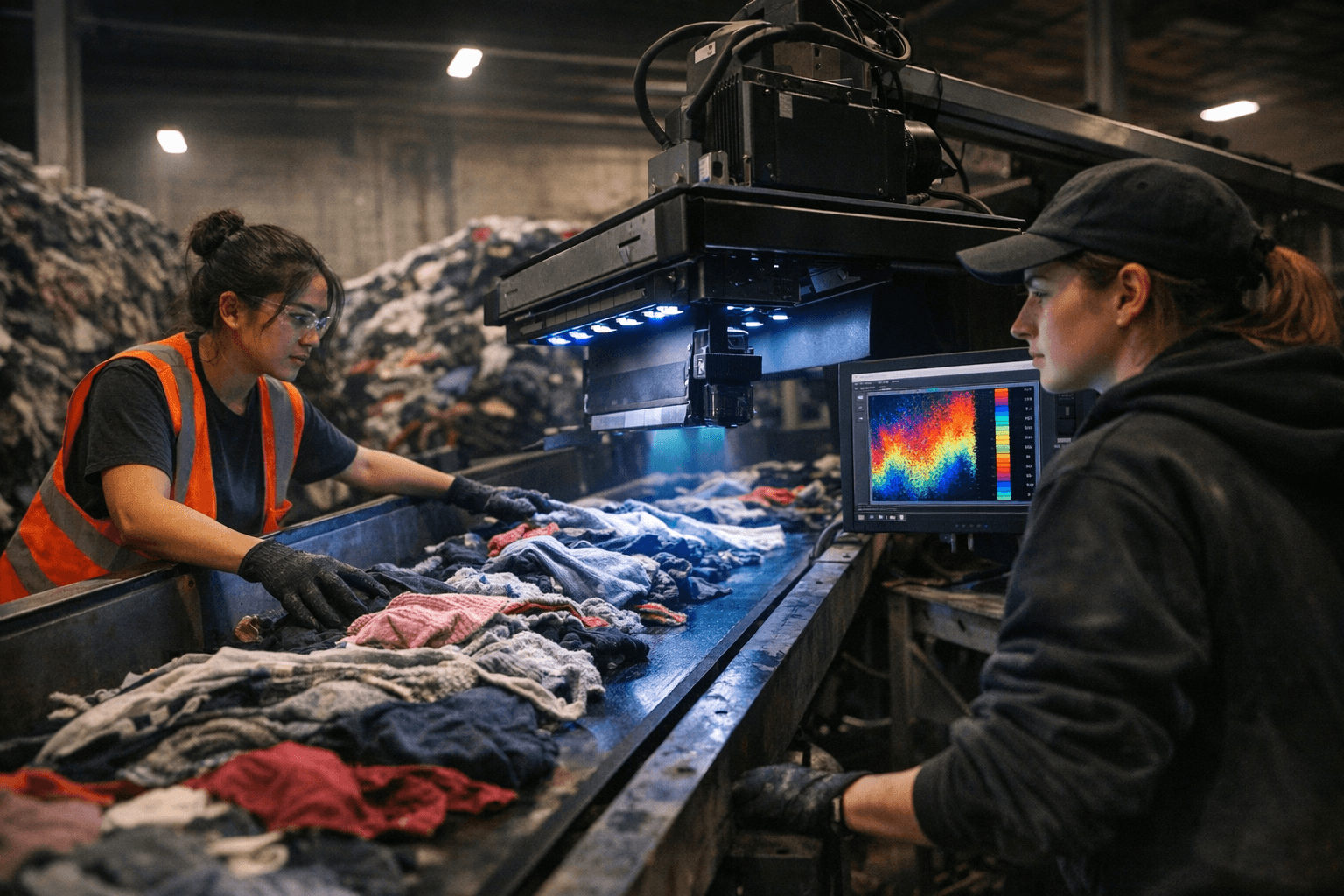
Refiberd is not operating in a vacuum. U.S.-based Sortile is working a similar vein: the startup identifies, sorts, and tracks textile data to enhance circularity using near-infrared technology and AI to determine the fiber composition of textiles. A garment passes under an NIR scanner in approximately one to two seconds, and modern systems achieve classification accuracy exceeding 95% across 13 or more fiber types including polyester, cotton, nylon, acrylic, wool, silk, and elastane.
The conversation has moved to policy, too. Bajaj and others in the textile-to-textile recycling space discussed how to streamline and improve textile recycling infrastructure during the March 11 Remade conference in Washington, D.C. That gathering reflects a broader shift: precision sorting is no longer a back-room logistics detail but a prerequisite for the extended producer responsibility frameworks now advancing in California and New York.
Refiberd aims to gain a foothold in a fast-innovating recycling space where demand for more efficient and accurate textile recycling processes is increasing. The throughput numbers suggest the technology is ready to scale; the policy pressure ensures it will need to.
This article was produced by Prism’s automated news system from verified source data, official records, and press releases, then run through automated quality and moderation checks before publishing. The system is built and supervised by the people who set the standards it runs under. Read our full AI policy.
Did this article answer your question?