SS26 Second-Hand Revival: 80s Glamour, Bold Print Clashes, Scarves, Poet Core
SS26 resale racks read like fashion week archives: power shoulders, mixed prints, silk squares and a soft poet-core wardrobe, secondhand is shifting from responsible to desirable.
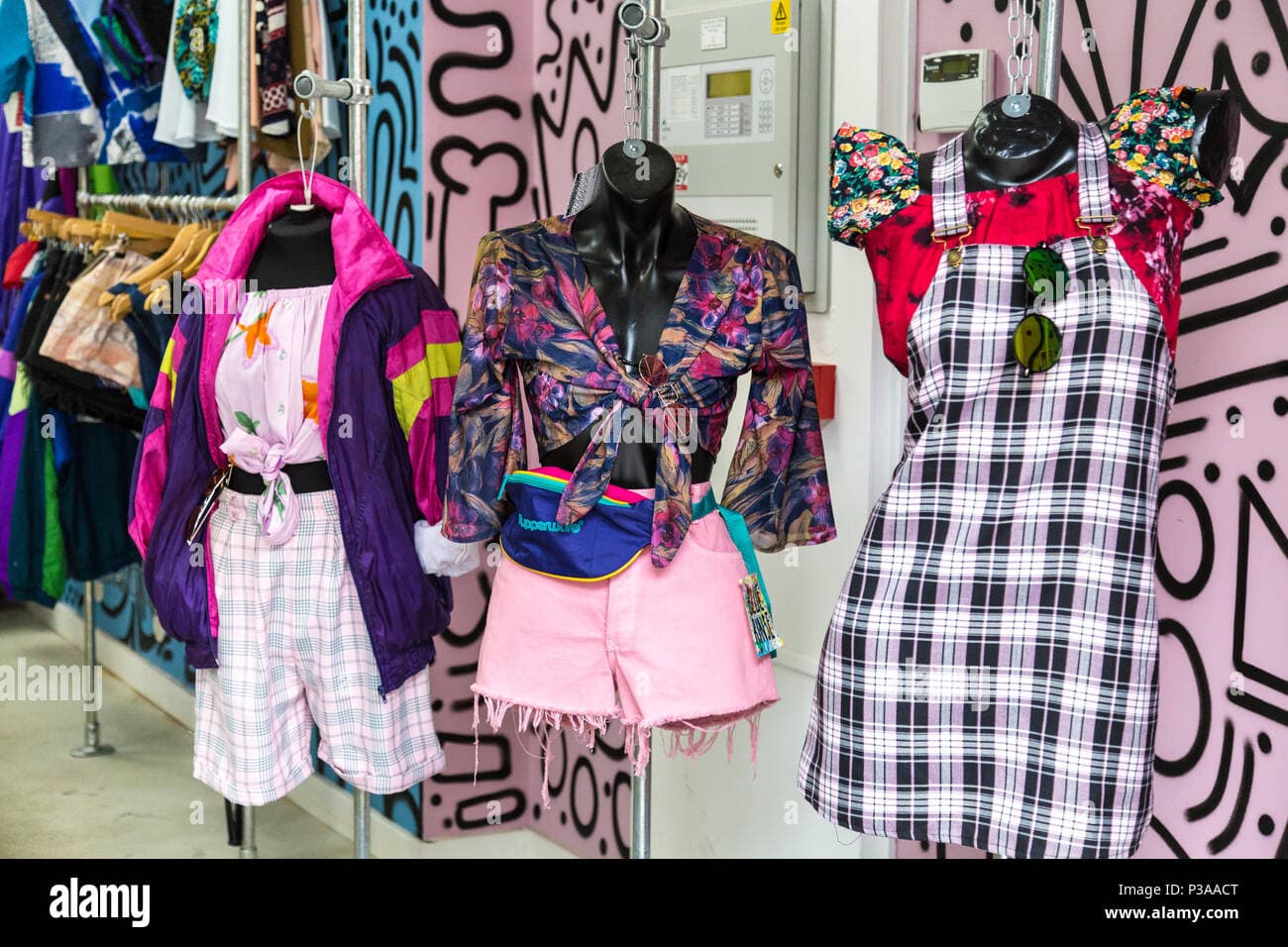
For spring/summer 2026, FashionUnited identifies four emerging trends in the second-hand market: 80s glamour revivals, print clash, versatile scarves, and poet core aesthetics. “The fashion industry is evolving amidst a sustainable transformation, driven by new consumer expectations, regulatory pressure and cost rationalisation,” FashionUnited notes, and warns that “secondhand fashion is establishing itself as a structural driver rather than a peripheral trend. To remain competitive, it can no longer simply be a ‘responsible’ option; it must be desirable.” I’d argue this is the moment resale gets stylish enough to make you buy for pleasure, not just principle, disagree if you prefer minimalism.
1. 80s glamour revivals
FashionUnited frames the 80s comeback as a source of “powerful silhouettes”: defined shoulders, structured blazers, soft leather, wide belts, brooches and oversized accessories. “This is not about disguised nostalgia, but about visible power, an assertive silhouette, affirmed sensuality and bold statement pieces,” the piece says, think a vintage structured jacket snapping shape over jeans, or a satin gown under a wide-belted blazer. WhoWhatWear’s runway reports corroborate the moment: Saint Laurent’s Anthony Vaccarello sent looks in “XXL leather bomber jackets, ginormous pussy‑bow blouses, bug‑like black‑out sunglasses, glam door‑knocker earrings and a flurry of satin‑meets‑rip‑stop trench coats, gowns and separates, all in jewel tones (think garnet, citrine, amber and ruby).” Practically, FashionUnited argues the 80s deliver high-quality, dense stock, solid tailoring and durable materials, that let secondhand shops “upscale the product range, highlighting pieces with strong character and increasing the average basket size without complicating sourcing.”
2. Bold print clashes
Print clash is the SS26 wildcard: stripes with florals, archival poster art rubbing shoulders with ditsy silk patterns, and layered patterns that read intentional rather than fussy. WhoWhatWear captures this energy in details like “printed silk scarves, ditzy florals and awkward length skirts” at Miu Miu and a “new update on the best‑selling Flamenco bag, complete with ruffles printed with poster art from the Loewe archive.” FashionUnited pairs print clash alongside Poet core in its headline, indicating retailers should curate prints that converse rather than match, a practical retail cue when sourcing secondhand: hunt for bold, identifiable motifs that can be mixed across eras. On the ground, this trend turns secondhand into a creative playground where archival prints become the easiest way to refresh a rotation without heavy markdowns.
3. Versatile scarves
“Silk squares, printed satin and scarves from the 80s and 90s are abundant in the available stock,” FashionUnited writes, and sells the business case plainly: “They help to drive desirability at a low cost, increase product turnover and create pairings without relying on complex restocking.” That’s runway-validated: Miu Miu’s SS26 riff used “printed silk scarves” across looks, and Loewe’s archival prints showed up on updated accessories. Scarves function like wearable micro-investments, knot one at the throat to soften a structured blazer, tie one to your bag to lift a neutral trench, or fold a silk square into a pocket square substitute for a dash of color. For retailers and sellers, scarves are the highest-velocity item in a secondhand lineup: low sourcing cost, high aesthetic payoff, and instant visual merchandising opportunities that convert window browsers into buyers.
4. Poet core
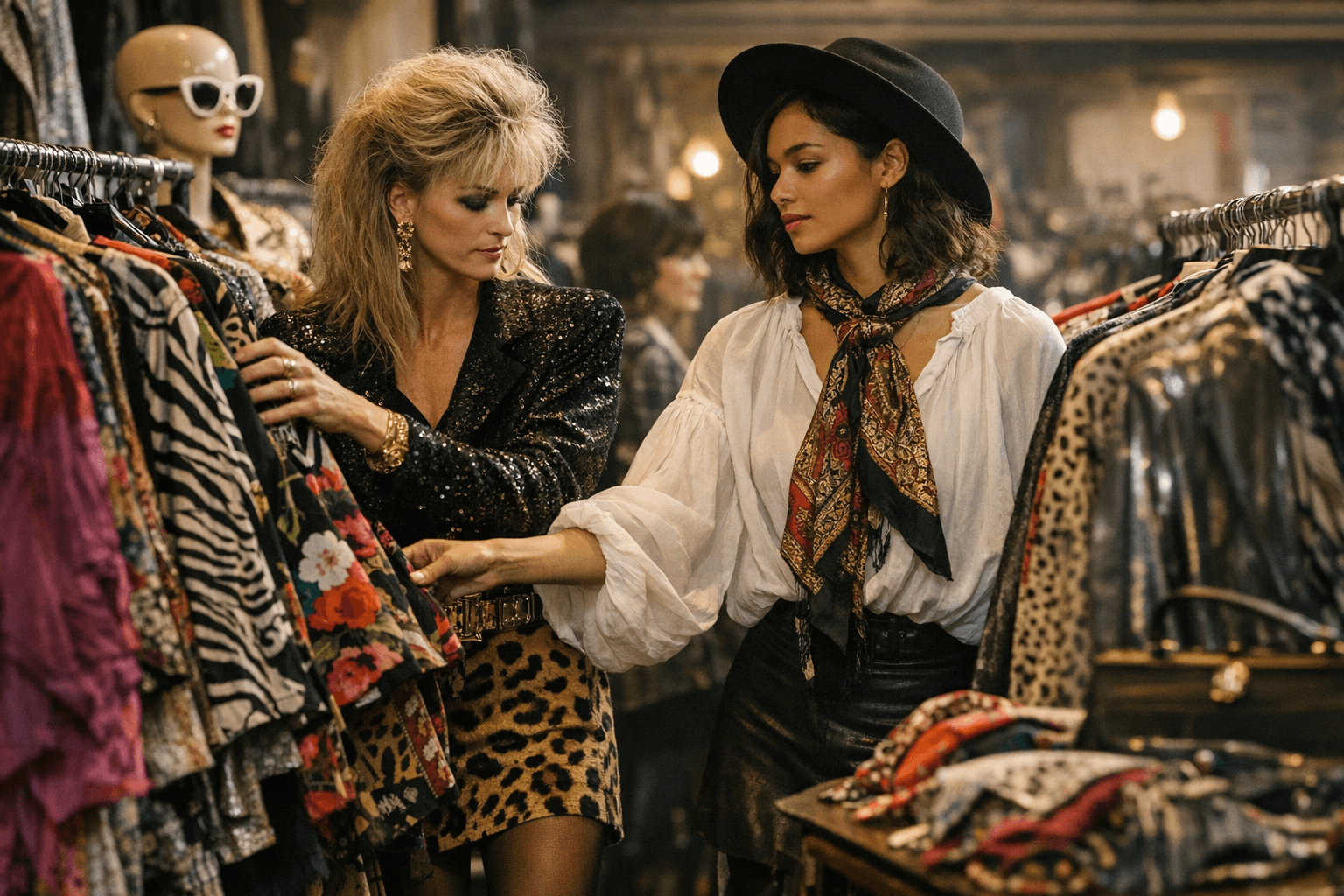
“Poetcore.” FashionUnited distills the trend into an aesthetic shorthand and then fleshes it out: “Trench coats, delicate lace, V‑neck jumpers, vintage floral prints, loafers, knotted scarves and understated blazers... the Poet core trend offers a more understated silhouette, bordering on preppy, quiet luxury and the dandy aesthetic. It features natural materials; neutral tones such as ecru, cocoa, midnight blue or powder pink; and styling that favours layering over the dramatic effect of a single statement piece.” Poet core is the counterbalance to 80s maximalism: the beauty is in texture and accumulation rather than a single showstopper. In secondhand terms, this means curated, tactile pieces, a worn-in trench, a lace blouse, a V-neck in a soft natural yarn, that layer together to create depth. FashionUnited positions Poet core next to print clash in its editorial framing, which suggests mixing the two (a neutral poet-core base with a clashing printed scarf or blouse) is a commercially smart way to offer variety without diluting coherence.
Final note, why this matters for shoppers and sellers FashionUnited’s argument is consistent and practical: “For spring/summer 2026, four strong dynamics are emerging. When well-integrated in-store, they help align available stock with customer expectations and commercial performance.” In plain terms, these trends give sellers a sourcing playbook (look for tailored 80s jackets and scarves, scan for archival prints, build poet-core capsule sets) and give buyers permission to shop secondhand as a route to both style and sustainability. Designers on the SS26 runways, from Anthony Vaccarello’s Saint Laurent show to Valentino’s Alessandro Michele and Miuccia Prada at Miu Miu, have underlined that archive aesthetics are not a niche whisper but the season’s loud styling vocabulary. Expect secondhand racks this season to feel less like bargain bins and more like boutique edit rooms, curated, covetable, and designed to be worn out loud.
This article was produced by Prism’s automated news system from verified source data, official records, and press releases, then run through automated quality and moderation checks before publishing. The system is built and supervised by the people who set the standards it runs under. Read our full AI policy.
Did this article answer your question?


