Suppliers and Manufacturers Unite to Shape Apparel Sustainability Standards and Enforcement
Apparel manufacturers are seizing control of fashion's sustainability agenda, forming alliances like STTI, ATTI, and the Fashion Producer Collective to reshape who defines, finances, and governs industry standards.
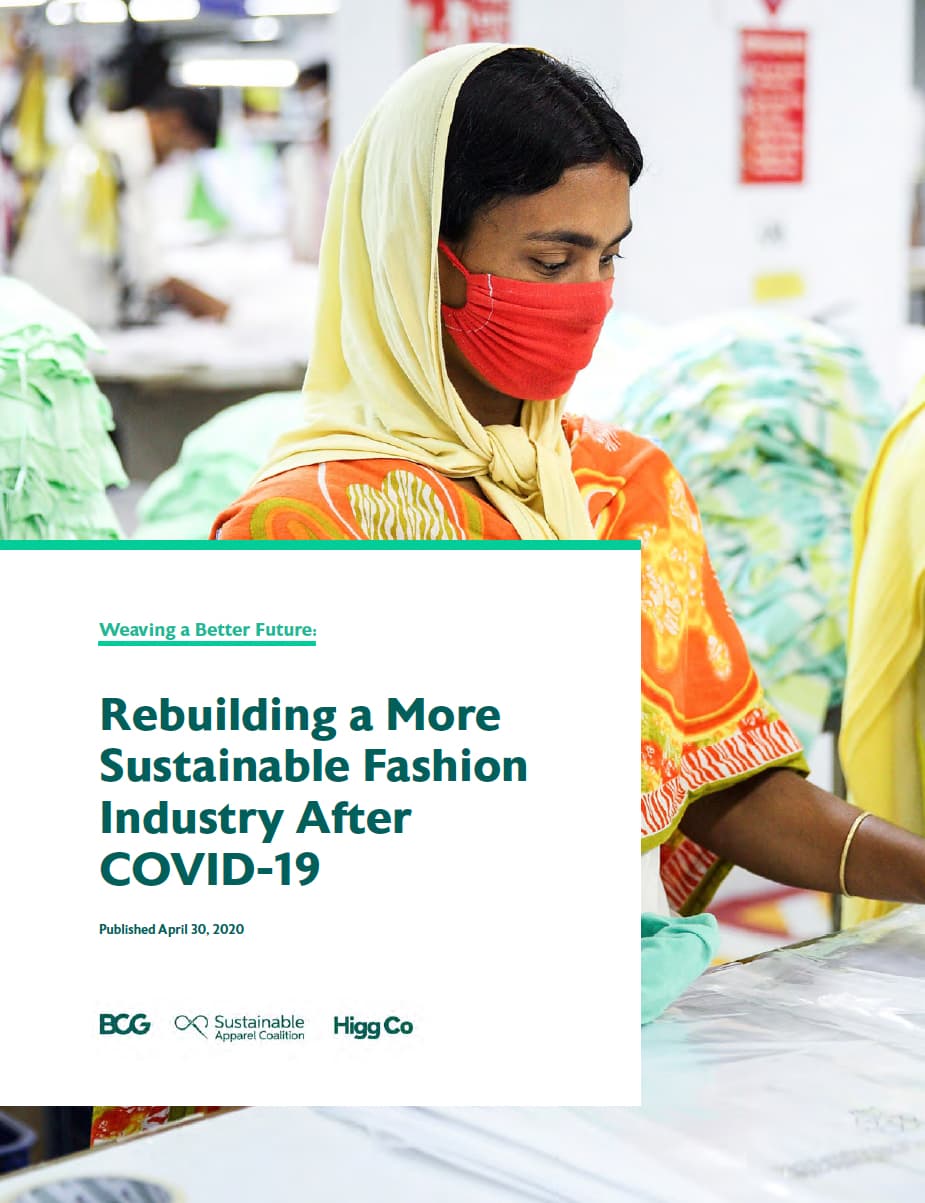
For the best part of a decade, the apparel industry's sustainability agenda flowed in one direction: brands and global multi-stakeholder initiatives set the tone, while manufacturers quietly did the heavy lifting on the factory floor. That arrangement is now cracking.
Manufacturer-driven initiatives including the Sustainable Terms of Trade Initiative (STTI), the Apparel and Textile Transformation Initiative (ATTI), and the Fashion Producer Collective (FPC) are giving suppliers their own organising platforms and political muscle, as producers insist on a say in how sustainability is defined, financed, and governed. The shift, reported by textile industry veteran and former Cascale executive Andrew Martin, represents a structural challenge to the brand-led model that has governed supply chain sustainability since before the Paris Agreement.
Although the bulk of greenhouse gas emissions is generated during the resource-intensive garment production phase, manufacturers have typically found themselves at the receiving end of brand commandments, left to juggle disparate priorities from an assortment of buyers alongside the expense of delivering costly energy, water, chemical, and waste improvements.
The STTI is a global, manufacturer-driven initiative focused on creating fairer purchasing practices in the textile and garment industry, with the aim of enabling manufacturers to work in a socially, economically, and ecologically sustainable manner. Its central concept is "commercial compliance," defined as a common understanding of purchasing practices that do not cause obvious and avoidable harm to manufacturers or block their ability to meet sustainability objectives.
The ATTI takes a different but complementary approach. Jointly led by the International Apparel Federation (IAF) and the International Textile Manufacturers Federation (ITMF), the initiative was unveiled in London during Climate Action Week. It has established a structured framework with ATTI Country Chapters, where national industry associations spearhead the creation of locally customised transformation plans, overseen by an ATTI Global Council that provides strategic direction and encourages shared learning across regions.
ITMF Director General Christian Schindler was emphatic that ATTI is not a competing initiative but rather an effort to organise a group that has been insufficiently represented in these conversations, stressing that "manufacturers alone cannot and should not be solely responsible for industry transformation."

Andrew Martin, then executive vice president at Cascale, highlighted ATTI's alignment with the Industry Decarbonization Roadmap (IDR), a collaborative initiative targeting a 45 percent reduction in greenhouse gas emissions across the textile, apparel, and footwear value chain by 2030. ATTI pilot chapters in Bangladesh and Türkiye are already underway, with updates expected in the coming months.
The initiative's genesis reflects what Felicity Tapsell, head of responsible sourcing at Danish retailer Bestseller, described as "peak frustration" in early 2024, when it seemed like everyone in the sustainability community was running around despite buy-ins from senior management and ambitious targets. "We acknowledge we were missing the manufacturers," she said.
The regulatory backdrop intensifies the stakes. The EU's Joint Research Centre has published a detailed methodology report setting out the framework regulators will use to determine what data must be included in Digital Product Passports under the Ecodesign for Sustainable Products Regulation (ESPR), prompting an immediate response from the European Apparel and Textile Confederation warning against excessive complexity and calling for a minimum two-year transition period.
With compliance deadlines tightening and costs compounding at the factory level, the emergence of manufacturer-led governance bodies is less a political statement than a structural correction. As demands on decarbonisation and environmental performance intensify, the idea that suppliers should simply absorb expectations written in someone else's boardroom looks increasingly untenable. The question now is whether brands will treat these new alliances as partners or obstacles.
This article was produced by Prism’s automated news system from verified source data, official records, and press releases, then run through automated quality and moderation checks before publishing. The system is built and supervised by the people who set the standards it runs under. Read our full AI policy.
Did this article answer your question?


