Sustainable fashion goes beyond materials, proving livelihoods and accountability matter
Sustainable fashion means little if it stops at fabric. The real test is whether a brand can prove fair work, transparency, and accountability are built into the clothes.
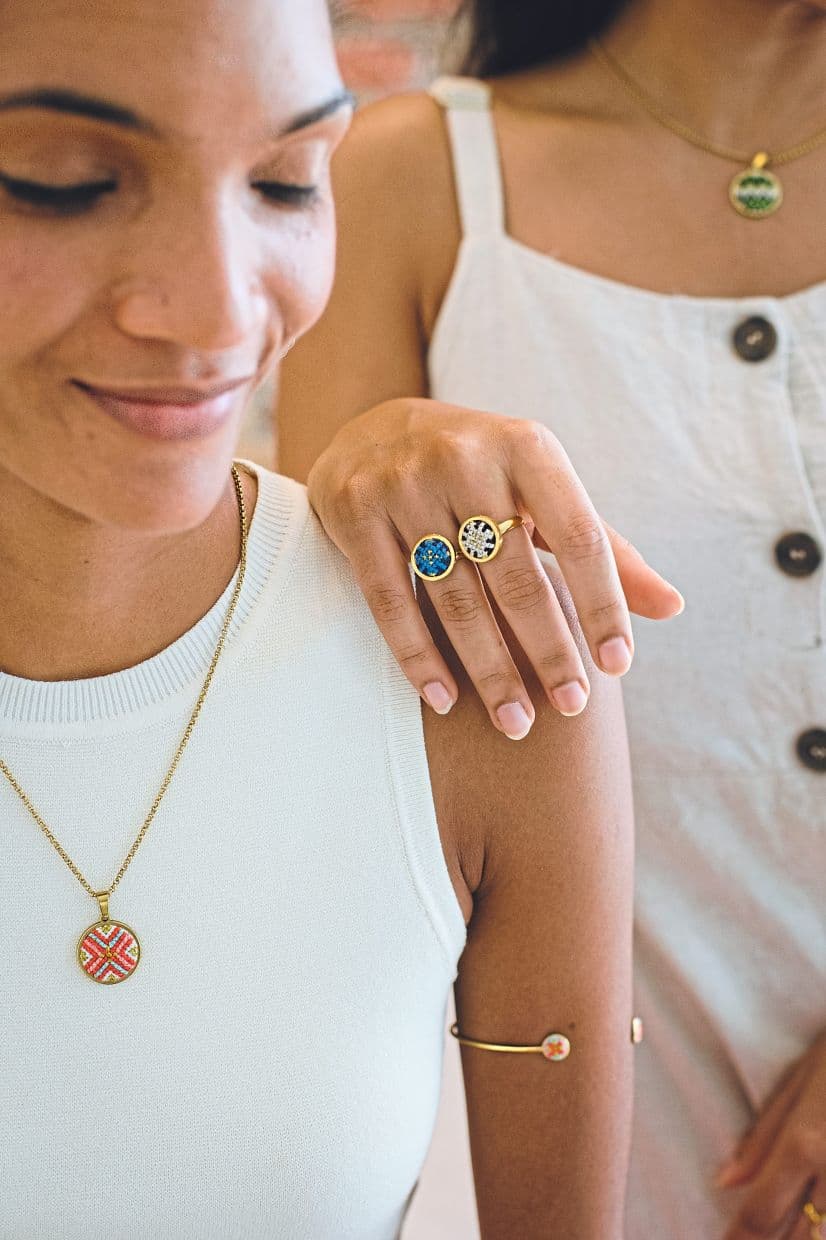
The new sustainability test is not the fiber, it is the footprint on people’s lives
Lower-impact materials are the easy part to sell. A certified organic tee, a recycled tote, a plant-based blend with a soft hand and a clean hang, all of that sounds great on a product page. But the harder question is the one that actually matters: who made it, under what conditions, and who is accountable when the promise breaks?
That is where the conversation is moving now. The industry is being asked to measure responsibility not only in emissions saved, but in livelihoods protected. If a brand cannot show worker protections, supplier transparency, and real accountability, its sustainability story is incomplete, no matter how clean the fabric feels in your hand.
What the big standards actually cover
Global Organic Textile Standard, better known as GOTS, remains one of the clearest signals that a supply chain has been audited beyond a single green claim. Its 2024 annual report says changing regulations in global value chains, especially in Europe, have made voluntary sustainability standards more important for compliance and accountability. That is not just bureaucracy in a nicer outfit. It is a sign that brands need paper trails, not just polished language.
The numbers matter too. GOTS says certified facilities increased by 5% in 2024, and its U.S. certified entities rose 7.8%, from 347 to 374 facilities. The standard’s #Behindtheseams campaign also reached more than 70 million unique individuals, which tells you something important: consumers are getting fluent in the difference between a marketing claim and a verifiable system.
Fairtrade brings a different lens, and it is one that cuts straight through the usual material-first mindset. Fairtrade International introduced its Textile Standard and Programme in 2016 to cover people at every stage of production, from seed cotton to finished garments. The standard requires workers to be paid living wages within six years of certification, along with regulated working hours and employment contracts. That is the point where sustainability stops being a mood board and starts looking like labor policy.
B Lab’s B Corp certification sits in the same conversation, but it is broader by design. B Lab describes it as a verified standard for social, environmental, and governance performance, transparency, and accountability. In fashion, that matters because a brand can have a lower-impact textile and still run a supply chain that is opaque, underpaid, or impossible to audit. B Corp pushes the question beyond the hanger.
Why certification is becoming a market signal
This is where the fashion industry gets interesting, because certification is no longer niche virtue signaling. It is becoming a shorthand for seriousness. In apparel and accessories, B Lab lists names like EILEEN FISHER and FASHIONPHILE as Certified B Corporations, which shows how the language of accountability is spreading across categories, from ready-to-wear to resale.
Longchamp and Mulberry are useful examples because they show how legacy luxury is starting to talk about responsibility in a more structured way. Longchamp says its B Corp certification recognizes collective social and environmental commitments across roles and countries, which is a much sturdier framing than vague talk of “values.” Mulberry says it achieved B Corp certification on 18 September 2024 and ties it to a purpose-led approach to progressive British luxury, with transparency and accountability central to its sustainability story.
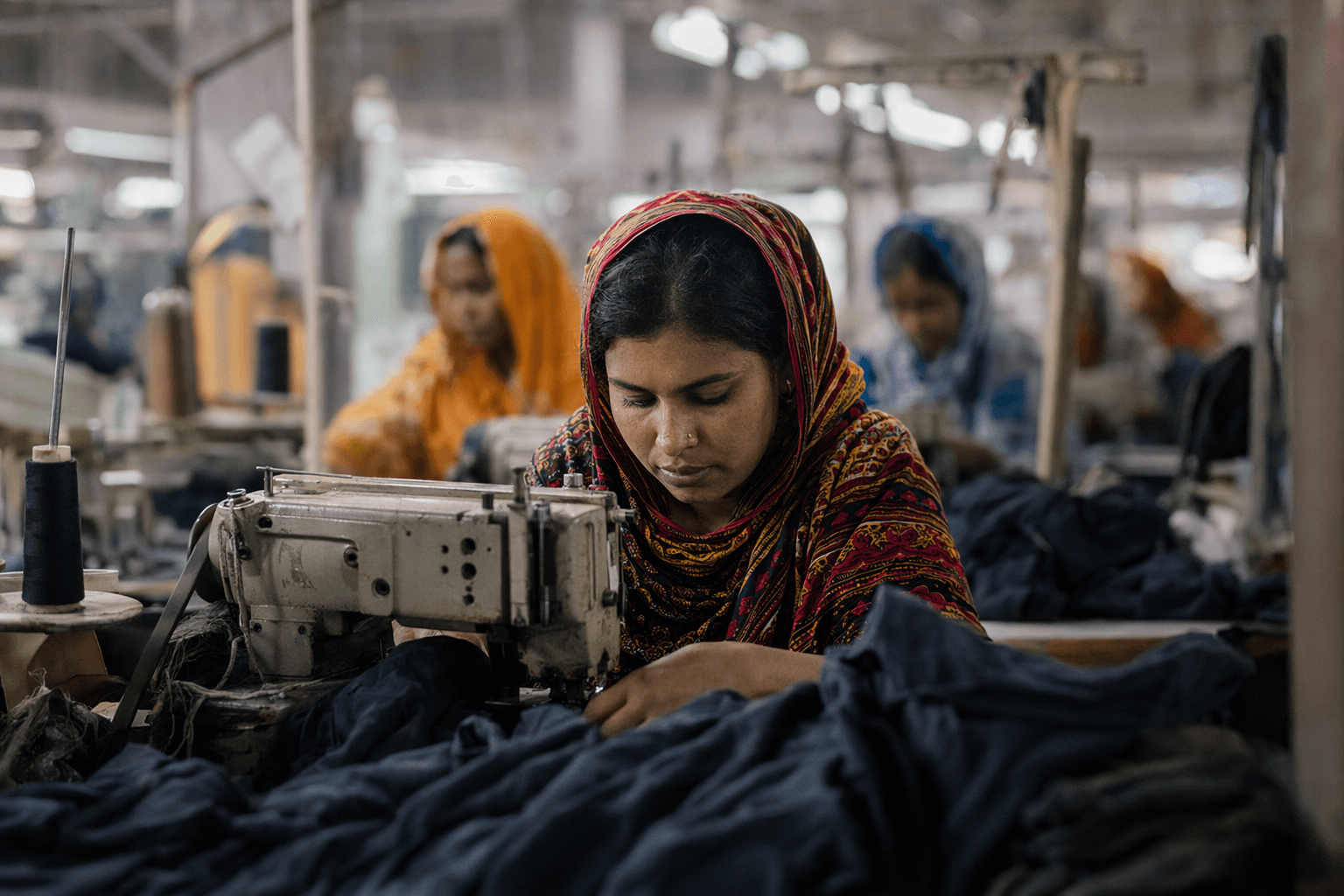
That shift matters because luxury used to trade on mystique. Now the sharpest brands are learning that modern credibility comes from clarity. If a house is going to ask you to pay premium money for a bag, a jacket, or a pair of shoes, it should be able to explain how the people behind it are treated and how the system is checked.
The brands making livelihoods part of the pitch
Batik Boutique is the kind of example that makes the whole argument feel real, not abstract. The brand says it is Malaysia’s only B Corp-certified batik brand, and it describes itself as a social enterprise built to disrupt poverty by empowering artisans from marginalized communities. That is not just a sustainability claim, it is a business model.
The numbers behind that model are the real story. Batik Boutique says it has employed more than 400 artisans with fair wages, trained more than 200 women in marketable skills, and benefited more than 1,700 people in local communities. That is what “impact” looks like when it leaves the Instagram caption and lands in actual households. It is also a reminder that the most credible sustainable fashion stories often start with work, not wardrobe.
And batik itself is a perfect material for this conversation. It carries texture, labor, and technique in a way a flat synthetic never can. When a brand ties that craft to wages, training, and community benefit, the cloth becomes more than a pattern. It becomes evidence.
How to read a sustainable claim without getting played
If you want to spot the difference between a serious claim and a decorative one, start with the standards, then keep going. GOTS and Fairtrade tell you different things, and neither one does everything. GOTS is strongest on organic textile processing and supply-chain controls; Fairtrade goes deeper on worker terms, wages, and contracts. B Corp broadens the lens to governance and accountability, which is useful, but still not a free pass.
Here is the quick checklist I use when a brand starts talking sustainability:
- Does it name a recognized standard, not just a feel-good phrase?
- Does it explain what the standard covers, like materials, wages, hours, or contracts?
- Does it say whether suppliers are audited or certified?
- Does it show how workers benefit, with numbers, not adjectives?
- Does it name the countries, factories, or roles involved?
- Does it explain how accountability works if a promise is broken?
- Does it separate material claims from labor claims, instead of pretending one proves the other?
A brand that only says “sustainable fabric” is giving you one sliver of the picture. A brand that can talk about living wages within a set timeframe, regulated hours, employment contracts, certified facilities, and governance standards is giving you something much closer to proof.
The bottom line
The next chapter of sustainable fashion is not about choosing between style and ethics. It is about refusing the lazy version of ethics, the one that ends at fabric composition. The strongest brands are proving that responsibility has to be visible in the fiber, yes, but also in the pay slip, the supplier map, and the systems that hold everyone accountable.
That is the standard now. And once you start reading sustainability that way, the vague claims look thin, the real ones look expensive for good reason, and the clothes suddenly tell a much more honest story.
This article was produced by Prism’s automated news system from verified source data, official records, and press releases, then run through automated quality and moderation checks before publishing. The system is built and supervised by the people who set the standards it runs under. Read our full AI policy.
Did this article answer your question?


