Techtextil spotlights bio-based materials, pushing sustainable textiles toward scale
AMANN’s 100% cellulose sewing thread stole the spotlight, but Techtextil’s bigger story was tougher: which bio-based materials can actually survive factory scale?
AMANN’s AeoniQ Fil was the kind of material that makes the whole hall feel slightly less speculative and much more urgent. The 100% cellulose sewing and embroidery thread promises no microplastic pollution and a cleaner path to monomaterial circular design for cellulose fabrics, but Techtextil and Texprocess made clear that the real prize is not invention alone. It is industrial adoption.
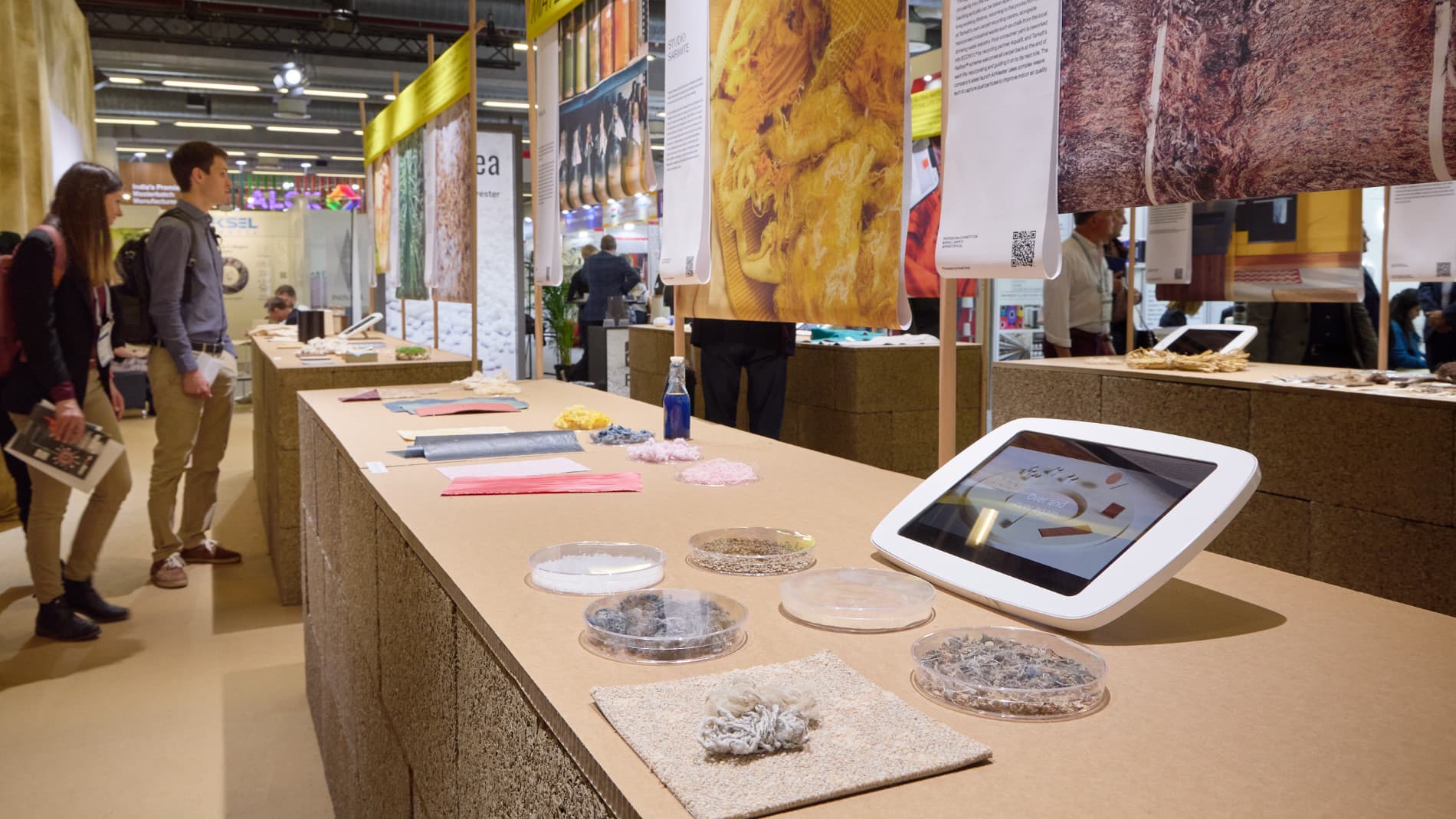
That tension defined the fair’s 2026 edition in Frankfurt, where Techtextil and Texprocess drew more than 36,000 visitors and 1,700 exhibitors from 112 countries from 21 to 24 April. Messe Frankfurt positioned the events as the place where research, industry and application finally meet, and Detlef Braun sharpened the message further: “new materials and innovation in supply chains are decisive competitive advantages.” In other words, the catwalk moment for sustainable textiles now happens on the factory floor.
The show’s new Nature Performance label captured that shift. It bundled natural fibres, yarns, bio-based materials and circular approaches into one framework, a small but telling sign that sustainability in textiles is moving away from vague virtue and toward operational categories that brands and mills can actually buy into. The Innovation Awards pushed the point even harder, spotlighting solutions aimed at reducing dependence on PFAS and fossil-based chemicals while improving circularity, automation and AI-driven processes.
OceanSafe brought another useful test case. Its high-performance polymer, built from bio-based and recycled raw materials, is designed as a marine-biodegradable co-polyester that can scale for industrial use. That “drop-in” ambition matters. Textile factories do not redesign their entire machinery stack for a promising yarn unless the economics, compatibility and supply reliability are already convincing. The same is true for brands, which are now under heavier procurement pressure to prove that sustainability claims can be delivered consistently, not just theatrically.
The broader backdrop is regulatory as much as creative. The European Commission’s textiles strategy says that by 2030 textile products placed on the EU market should be durable, repairable, recyclable and largely made from recycled fibres, with the sector more resilient to global shocks and less dependent on fast fashion. That target explains why the mood in Frankfurt felt less like a trade-fair mood board and more like a deadline.
Techtextil and Texprocess still had the sparkle of a showcase, but the strongest message was practical: the industry is past admiring bio-based materials in isolation. The next frontier is whether cellulose threads, recyclable polymers and PFAS-free systems can move from booth-ready prototypes to dependable inputs for the mills, cutting tables and sewing lines that set fashion’s real pace.
This article was produced by Prism’s automated news system from verified source data, official records, and press releases, then run through automated quality and moderation checks before publishing. The system is built and supervised by the people who set the standards it runs under. Read our full AI policy.
Did this article answer your question?


