Ten EU Trade Bodies Urge Reform of Textile Extended Producer Responsibility Rules
Ten EU trade bodies led by Euratex push lawmakers to back a Commission plan to suspend mandatory national EPR representatives for textiles until 2035.
Ten European industry associations, including the European Apparel and Textile Confederation (Euratex), called on the EU to back a proposed freeze on rules requiring companies to appoint separate national Authorised Representatives in every EU member state where they sell goods under Extended Producer Responsibility schemes. The coalition's message to Brussels was direct: urge MEPs to hold the line on scrapping mandatory national EPR representatives, warning of regulatory compliance burdens.
The Commission's proposal, tabled as part of the Environmental Omnibus package, would suspend until 1 January 2035 the requirement for companies to appoint separate ARs in each EU member state where they sell textile, footwear, electrical and electronic equipment, and single-use plastic products. The scope is significant: under the current framework, companies established in one member state and making products available in other member states are required to appoint an Authorised Representative, meaning a brand selling across all 27 EU markets would theoretically need 26 separate national appointments, each carrying its own registration, reporting, and fee-handling obligations.
The Environmental Omnibus is moving through the ordinary legislative procedure, and the industry coalition is pressing hard at a sensitive moment. On 19 January 2026, the ENVI committee had an exchange of views on the environmental omnibus package with Environment Commissioner Jessika Roswall, with the procedure still described as being in its preparatory phase. The European Parliament and Council have yet to formally adopt the proposals.
Critically, the planned suspension of the AR obligation does not mean that EPR obligations will be waived; all producers are still required to register with the national Producer Responsibility Organizations, report packaging and product quantities and pay recycling fees. The coalition's ask is for procedural relief, not an escape from environmental accountability. Under the proposal, producers of textile, textile-related or footwear products should be able to choose whether they appoint an Authorised Representative when making products available in another member state where they are not established, and member states should not make such appointment mandatory for producers established in the EU, though the option to do so at their discretion would be maintained.
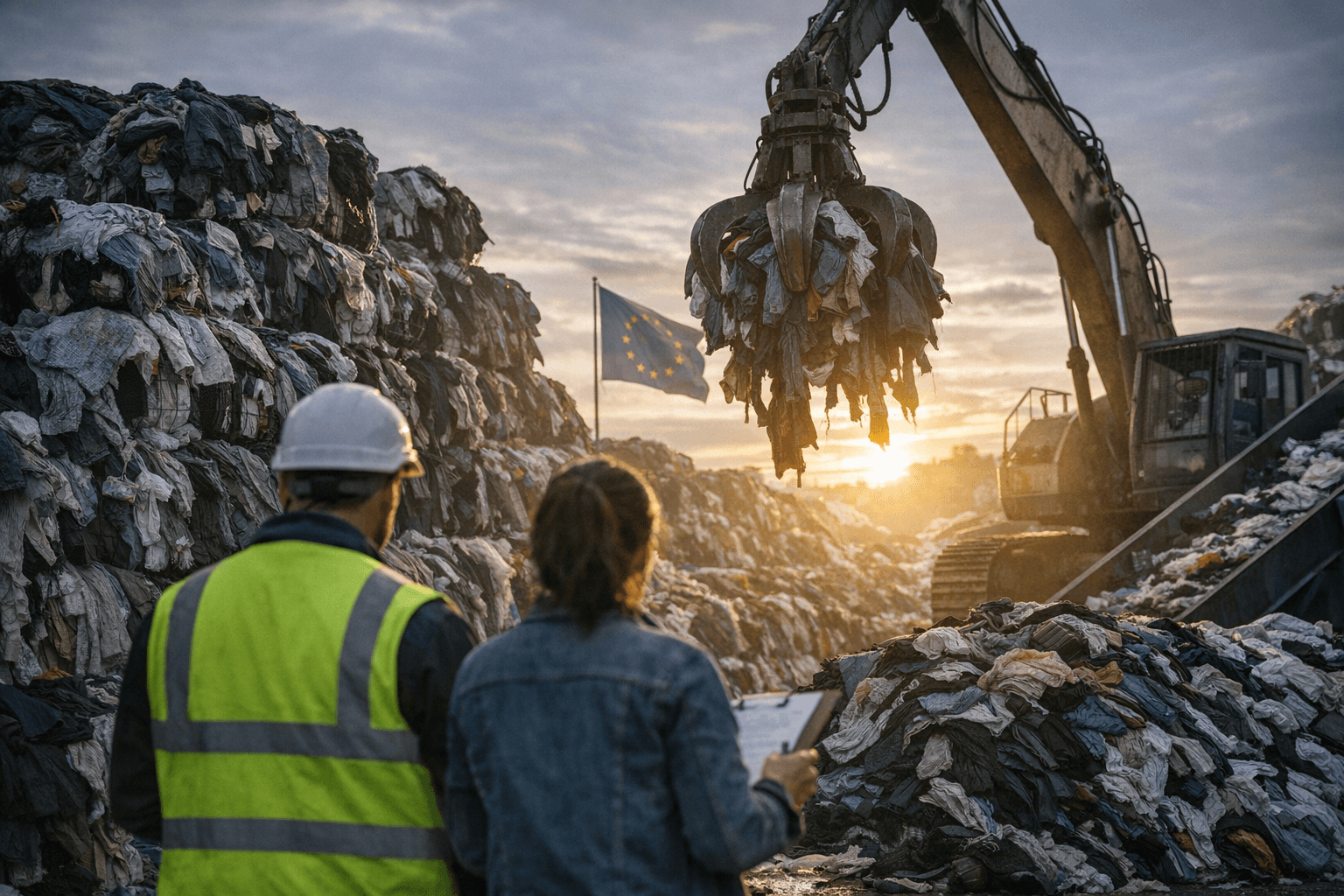
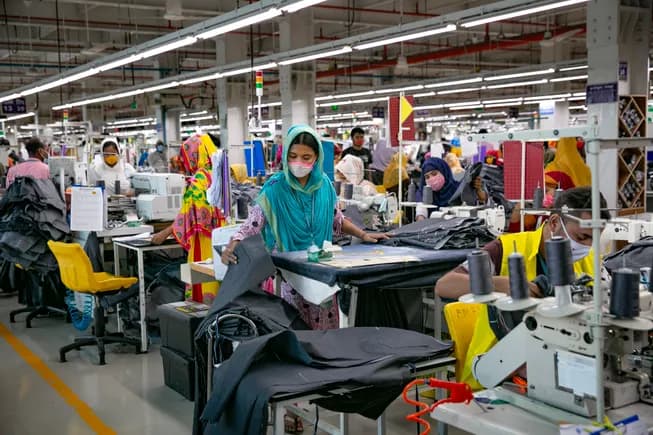
The backdrop here matters. The EU's textile and clothing sector generates a turnover of €170 billion and employs 1.3 million people across 197,000 companies, many of them small and mid-sized producers selling across multiple markets. The Commission's own documentation notes that the proposed suspension would alleviate administrative burden and costs from producers, with SMEs standing to benefit particularly from the change. All EU member states must establish EPR schemes for textiles and footwear by mid-2028, which means the compliance window is tight regardless of how the AR question is resolved.
The Commission is preparing a legislative proposal for a comprehensive reform of the extended producer responsibility system, expected to be tabled in 2026. That forthcoming Circular Economy Act is where the deeper architecture of textile EPR will ultimately be decided. For now, the ten-body coalition is betting that locking in the AR suspension through the Omnibus gives industry breathing room before the larger overhaul lands, and it is asking MEPs not to unravel that relief before the ink is dry.
This article was produced by Prism’s automated news system from verified source data, official records, and press releases, then run through automated quality and moderation checks before publishing. The system is built and supervised by the people who set the standards it runs under. Read our full AI policy.
Did this article answer your question?