Textile dye wastewater treatment can create hazardous byproducts, study finds
A cleaner-looking dye treatment can backfire: electrochemical wastewater systems made chloroform and bromoform at dangerous levels.
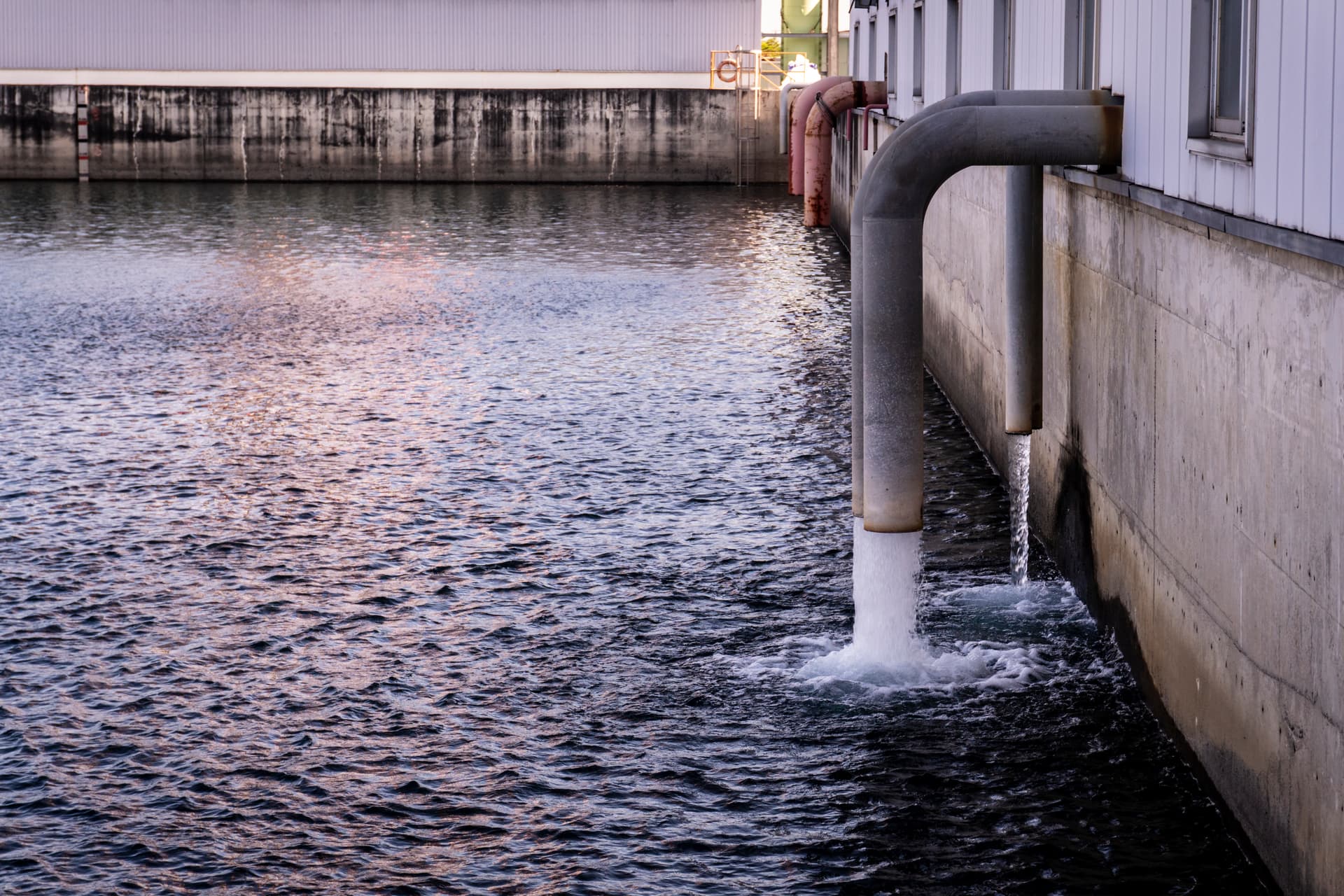
Textile wastewater has a glamorous-sounding problem with a far less elegant fix: the treatment itself can make the water more dangerous. A new study from the University of Massachusetts Amherst found that electrochemical systems used to break down dye residues can generate chloroform and bromoform at alarming levels, turning a supposedly cleaner process into a fresh chemical exposure risk for factory floors.
The research, published in the Journal of Hazardous Materials in 2026, pointed to a clear occupational health hazard for workers in textile facilities. Sean McBeath, an assistant professor of civil and environmental engineering at UMass Amherst, said the team found a huge number of byproducts at “industrially relevant concentrations,” and that the paper centered on risks to people working around the treatment systems. The concern is not theoretical. The byproducts exceeded U.S. drinking-water safety limits, and the downstream environmental effects remain unknown.
What makes the finding so sharp is the chemistry. Textile facilities often add sodium chloride, or table salt, to improve conductivity, lower energy use and speed dye degradation. But chloride in electrochemical reactions can also form reactive chlorine species, which drive the creation of toxic disinfection byproducts. In other words, a process designed to look efficient and modern can become a chemistry lesson in unintended consequences: fewer visible dyes, more invisible hazards.

That trade-off matters because textile production already carries a massive wastewater burden. The World Bank has estimated that the industry accounts for as much as 20% of the world’s wastewater, and earlier research has linked textile wastewater to harm for the environment, crop production and human health. For sustainable fashion, the lesson is plain. Cleaner treatment cannot be judged by color removal alone; it has to be measured by what forms in the water after the reaction runs its course.
The study strengthens the case for stricter oversight before electrochemical systems are scaled further. Chloride dosing needs tighter control, byproducts need routine monitoring, and pilot testing should look beyond dye removal to worker exposure and post-treatment toxicity. UMass Amherst’s Water and Energy Technology Center, which gives researchers and companies a place to test water-treatment and purification technologies, offers the kind of proving ground this sector now needs. Alternative methods are also moving forward, including electrocoagulation reactors that can remove up to 98% of color from textile wastewater and sunlight-driven catalysts aimed at breaking down dye pollutants. The next phase of textile wastewater reform will not be about choosing the most polished solution, but the one that cleans without quietly contaminating something else.
This article was produced by Prism’s automated news system from verified source data, official records, and press releases, then run through automated quality and moderation checks before publishing. The system is built and supervised by the people who set the standards it runs under. Read our full AI policy.
Know something we missed? Have a correction or additional information?
Submit a Tip