UNEP warns outdated permits stall circular fashion transition globally
Outdated permits are stalling cleaner dyeing and recycling in China, India, Bangladesh and Türkiye, even as textiles drives up to 8% of global emissions.
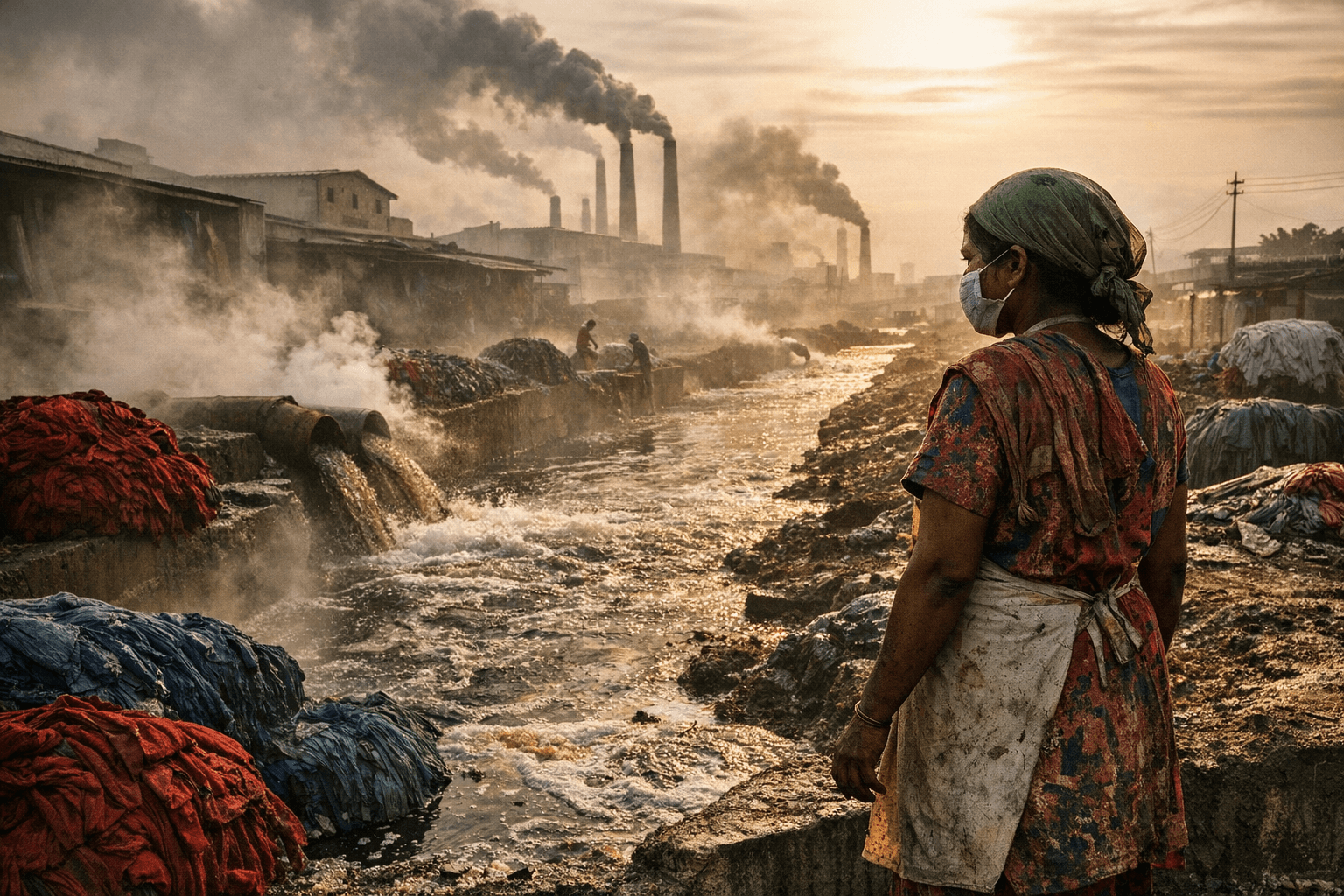
A cleaner indigo bath, a better wastewater plant, a recycling line that can turn old polyester into new fabric: in much of the textile world, those upgrades can still get stuck in paperwork written for another era. UNEP says fragmented, outdated environmental permitting systems are slowing the shift to a circular textile value chain across major producing countries, and the guidance behind those permits has not been meaningfully updated for nearly two decades.
The warning landed in UNEP’s report, Supporting the transition to a sustainable textile value chain: the role of environmental permitting systems, published on 28 February 2026 to feed into the UNEP Textile Initiative. The point is blunt. Fashion’s sustainability problem is not only design or consumer behavior. It is also the administrative machinery that decides whether a mill can install cleaner dyeing equipment, upgrade its wastewater treatment, or modernize a recycling line without months of delay and contradictory requirements. In countries such as China, India, Bangladesh and Türkiye, UNEP says those rules are often fragmented enough to slow action exactly where scale matters most.
The stakes are not small. UNEP places textiles inside the triple planetary crisis of climate change, biodiversity loss, and pollution and waste, and estimates the sector generates 2 to 8 per cent of global greenhouse-gas emissions. It also uses the equivalent of 86 million Olympic-sized swimming pools of water each year and is responsible for 9 per cent of microplastic pollution in the oceans. That is the hidden cost behind every floaty viscose blouse, every brushed cotton shirt, every poly-blend dress that promises a softer footprint than the last.
The permitting report sits inside a broader policy push. UNEP’s 2023 global roadmap for textiles, built on research and consultations with more than 140 stakeholders, set out three priorities: shifting consumption patterns, improving practices, and investing in infrastructure. At UNEA-6 in May 2024, governments went a step further and called on UNEP to facilitate a Global Textiles Policy Dialogue. UNEP said then that clothing and textiles support millions of jobs and generate US$1.5 trillion in revenue, a reminder that this is both an environmental problem and a major industrial one.
That is especially true in Bangladesh, Türkiye, Pakistan and Egypt, where textile and apparel exports are vital and women make up about 75 per cent of the workforce in the sector. UNEP’s InTex programme is meant to help governments and SMEs move from take-make-dispose to circular systems, but the report makes clear that ambition alone will not clean up the supply chain. Until permits catch up with the machines on the factory floor, sustainability will keep getting held up at the gate.
This article was produced by Prism’s automated news system from verified source data, official records, and press releases, then run through automated quality and moderation checks before publishing. The system is built and supervised by the people who set the standards it runs under. Read our full AI policy.
Did this article answer your question?


