US Consumers Seek Microplastic-Free Clothing as Cotton Gains Appeal
Microplastics awareness among US consumers rose to 41 percent from 17 percent in 2017, and 59 percent now say they will look for clothing made with microplastic-free fibers.
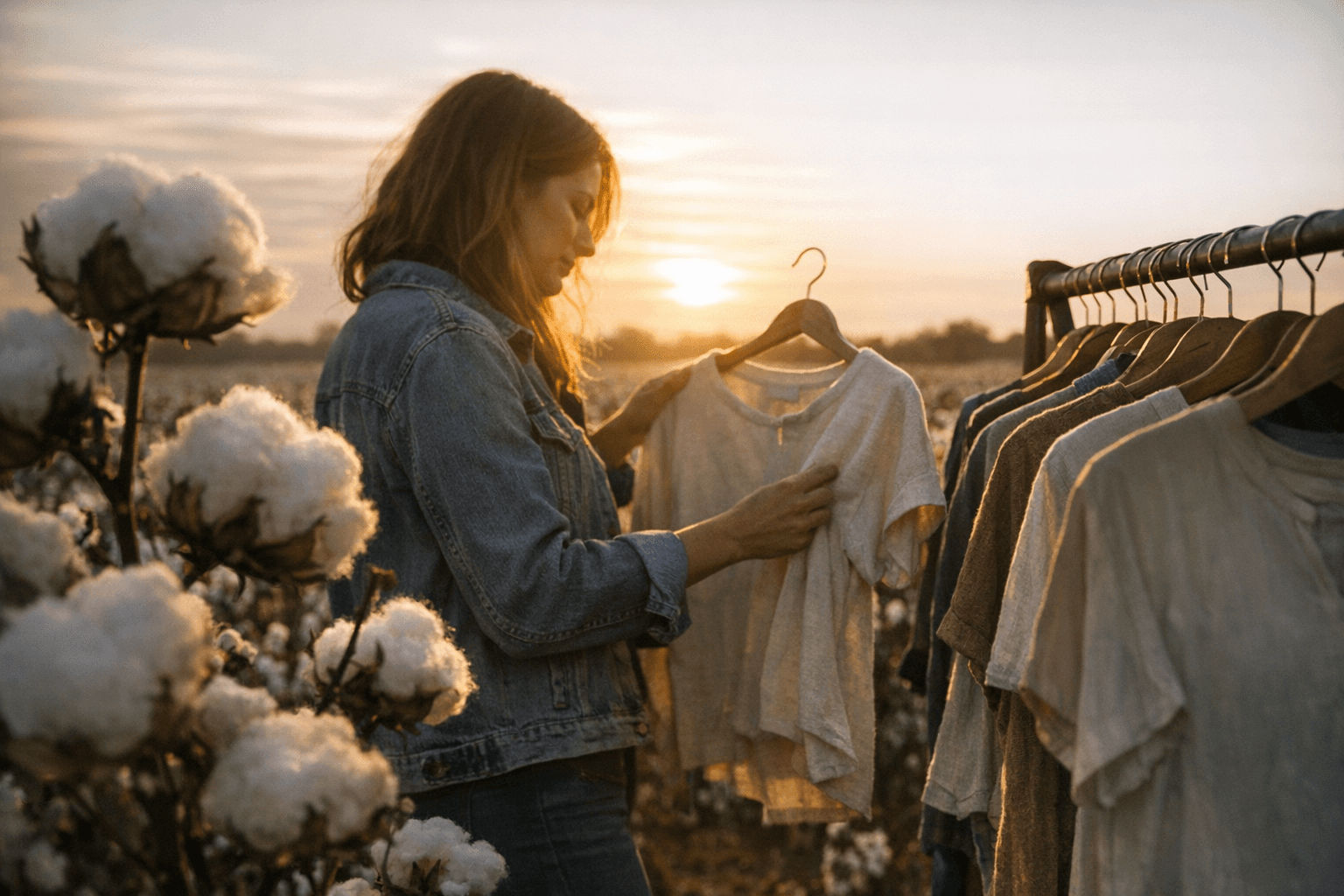
Microplastics have moved from a niche environmental worry to a buying filter. In Cotton Incorporated’s latest survey, 41 percent of US consumers said they are aware of microplastics pollution, up from 17 percent in 2017, and 59 percent said they are likely to look for clothing made with microplastic-free fibers.
That is the kind of shift brands cannot shrug off. Cotton Incorporated said the change may signal “a shift toward more material-specific sustainability expectations,” with Melissa Bastos, the company’s director of corporate strategy and insights, saying consumers increasingly view cotton as environmentally safer than synthetic fibers. The message is plain: shoppers are no longer satisfied with vague claims about being green. They want to know what the garment is made of, what sheds from it in the wash, and whether the fiber feels aligned with the values printed on the hangtag.
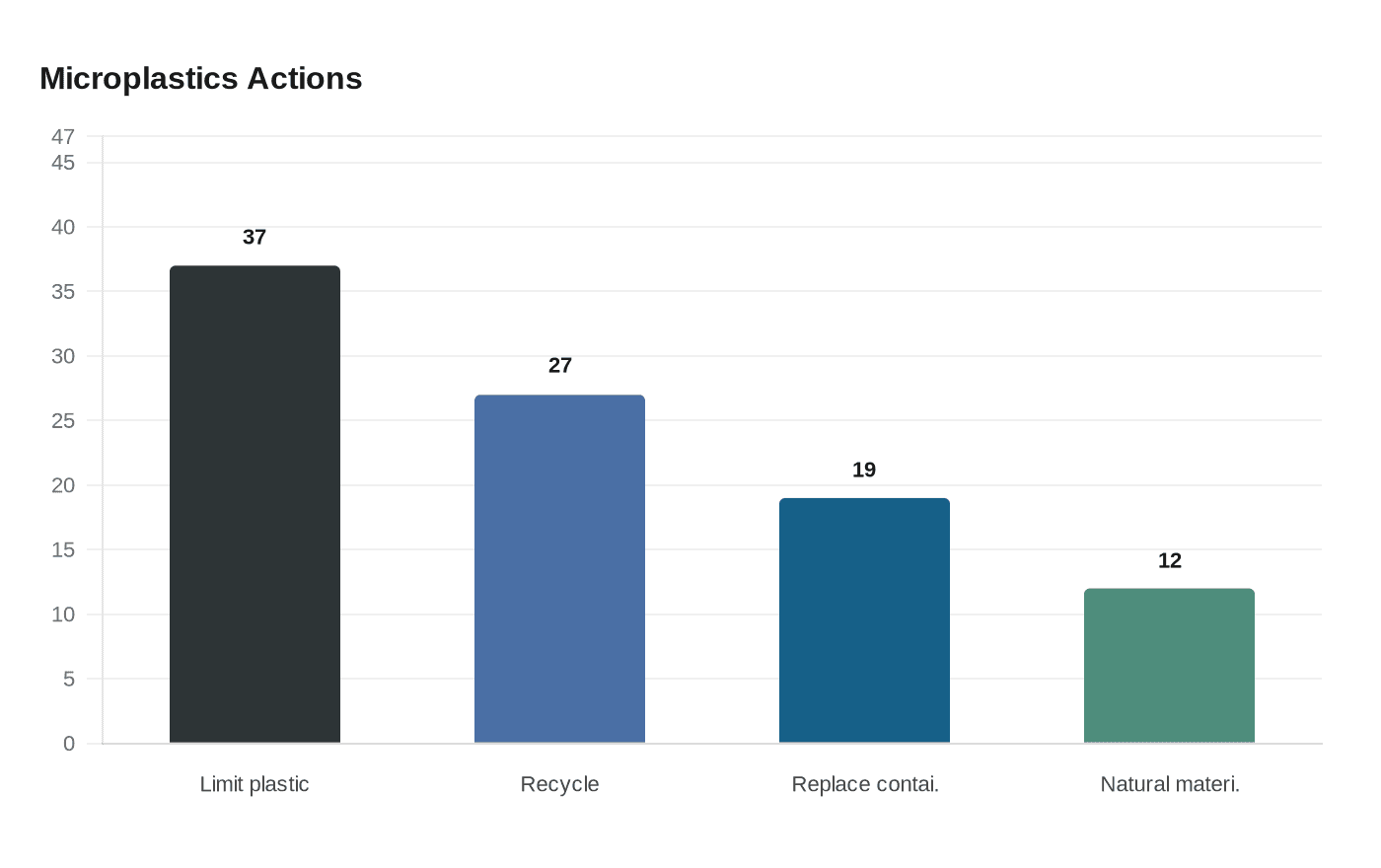
The gap between concern and action is still wide, though. Cotton Incorporated said 41 percent of consumers concerned about microplastics consider wearing clothing containing microplastics to be a major concern, but many still feel stalled by the language around the issue. Thirty-seven percent said they are overwhelmed by unclear information, while 36 percent said they are unsure what to do about microplastics. In practice, consumers are translating that anxiety into everyday habits: 37 percent reported limiting plastic purchases or use, 27 percent recycle, 19 percent replace containers and 12 percent seek natural materials.
Cotton has a straightforward advantage in that conversation. The company has long argued that natural fibers such as cotton biodegrade more readily than polyester microfibers in wastewater, freshwater and seawater, while synthetic fibers persist in the environment. Its earlier survey, conducted on June 29, 2023 among 527 US adults, found 49 percent were familiar with microplastics, and among those, 52 percent recognized synthetic clothing like polyester as a contributor. Even then, the telltale retail signal was already visible: 38 percent said they purposely chose natural fibers instead of synthetics, and 35 percent said they checked garment labels for natural fibers.
The bigger market backdrop is impossible to ignore. A Nature Communications study estimated that the global apparel industry generated about 8.3 million metric tons of plastic leakage in 2019, roughly 14 percent of total annual plastic leakage, with synthetic apparel the main source. Regulators are also moving. The European Commission says the EU’s REACH restriction on intentionally added microplastics began applying on 17 October 2023, and the Zero Pollution Action Plan targets a 30 percent reduction in microplastic releases by 2030. For brands, that means fiber choice, labeling and product development are no longer abstract sustainability talking points. They are now part of the brief.
This article was produced by Prism’s automated news system from verified source data, official records, and press releases, then run through automated quality and moderation checks before publishing. The system is built and supervised by the people who set the standards it runs under. Read our full AI policy.
Did this article answer your question?


