U.S. cotton growers cut emissions 54 percent with regenerative farming pilot
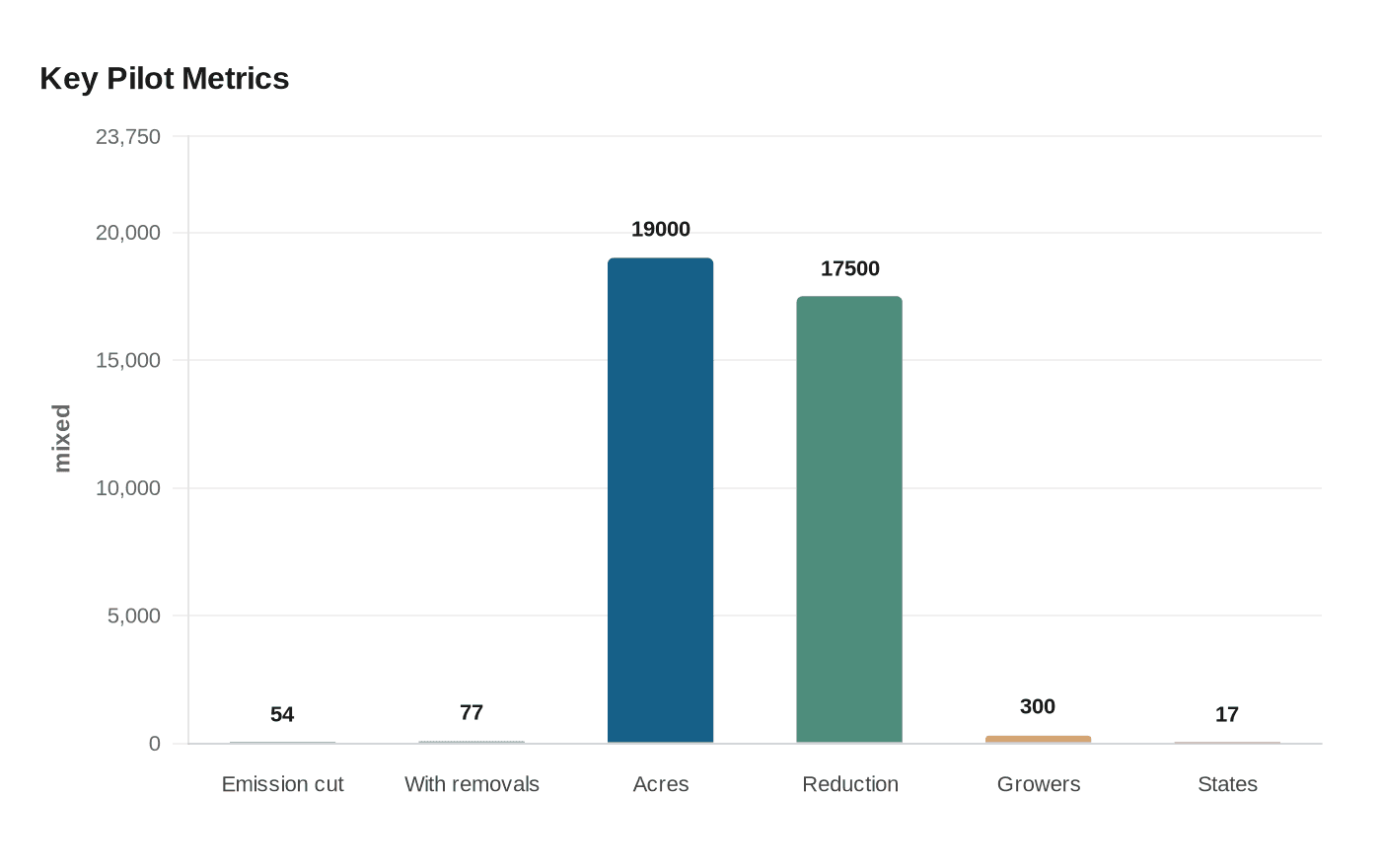
A Better Cotton pilot cut emissions 54 percent, with four regenerative practices across 19,000 acres in Arkansas, Mississippi and Missouri.

A group of U.S. cotton growers licensed to Better Cotton cut greenhouse-gas emissions by 54 percent in a single season, or 77 percent when carbon removals were counted. The pilot ran across more than 19,000 acres in Arkansas, Mississippi and Missouri during the 2024-25 cotton season, and Indigo Ag technology verified the result, which Better Cotton said totaled more than 17,500 metric tonnes of emissions reduction and sequestration.
What makes the figure matter is not the percentage alone, but the mechanism behind it: four regenerative practices applied at field level, not a vague sustainability pledge. Better Cotton did not frame this as a lifestyle story about greener cotton, but as a measurable shift in how raw material gets grown. For a fashion industry that still lives and dies by fiber sourcing, the appeal is obvious. Cotton is one of the sector’s most familiar inputs, and agriculture accounts for nearly 12 percent of global greenhouse-gas emissions, close to transportation’s 14 percent, according to the World Resources Institute.
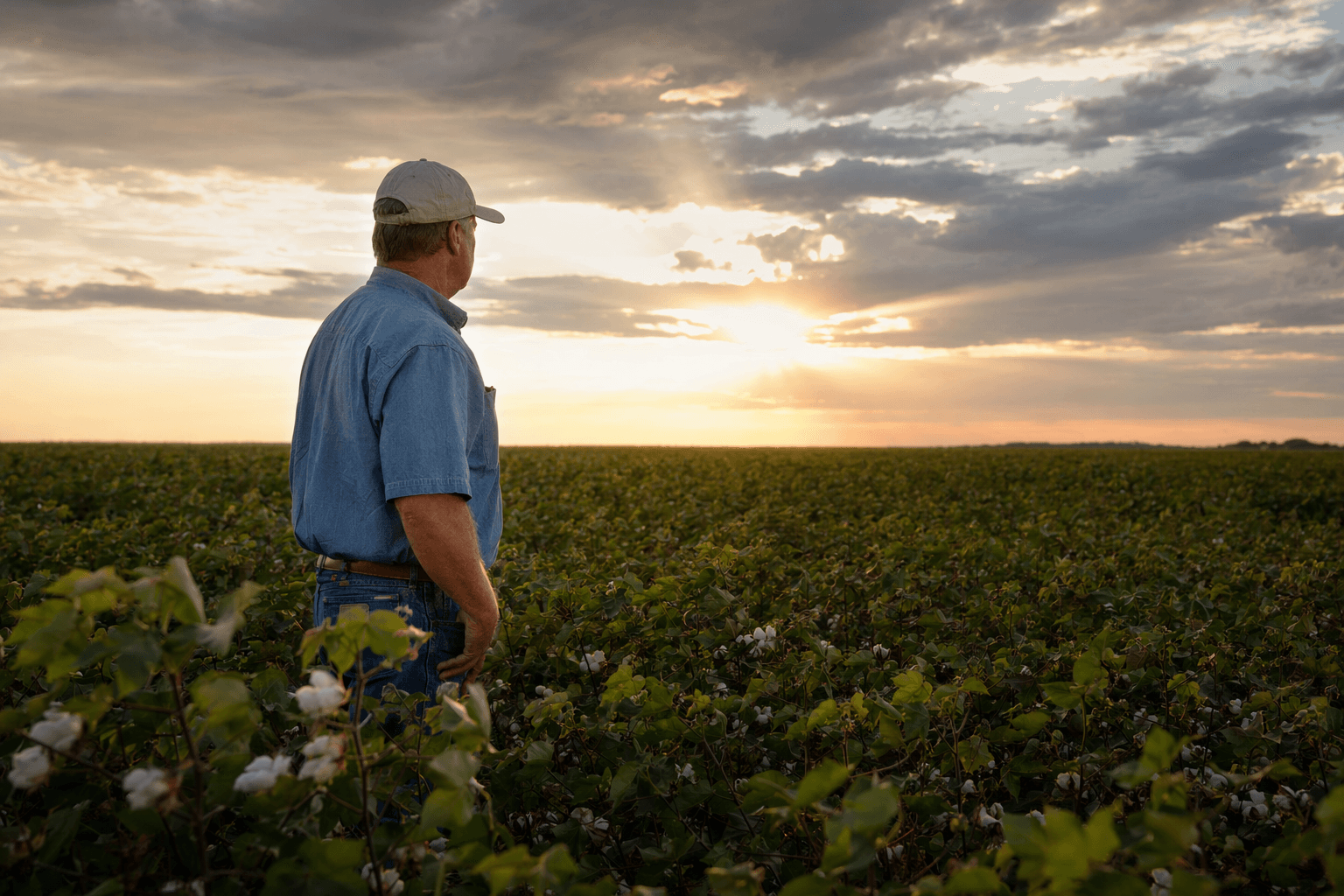
Better Cotton’s own U.S. network now gives that ambition some scale. The organization launched its U.S. program in 2014 in response to demand from members, retailers, suppliers and farmer groups, and says the American operation has grown to more than 300 licensed growers across 17 states, representing more than 11.5 percent of U.S. cotton volumes. The United States is the world’s third-largest cotton producer, and Better Cotton’s U.S. page listed 785 metric tonnes of BCI Cotton for the 2023/24 season. Against that backdrop, a verified emissions cut on more than 19,000 acres looks less like a niche experiment and more like a possible sourcing template.
The catch is that the template depends on measurement. Lars van Doremalen, Better Cotton’s director of impact, cast the project as proof that regenerative agriculture and field-level data can unlock incentives for farming communities and fashion businesses. Leigh Cooper Swisher of Indigo Ag framed the same data as a way to create verified carbon reductions and new revenue streams for farmers, while supporting Scope 3 decarbonization. That distinction matters: fashion brands can only claim progress if the carbon math is tight enough to survive scrutiny from investors, regulators and skeptical customers.
Better Cotton has been moving in that direction for months. In March, it backed a U.S. collaboration with the Soil Health Institute and Growers Guide to fund on-farm data collection around soil health and chemical-input reduction, and in April it updated its Principles & Criteria with a stronger regenerative emphasis. It has also set a 2030 target to cut greenhouse-gas emissions per ton of Better Cotton produced by 50 percent from a 2017 baseline. The larger test now is whether the Arkansas, Mississippi and Missouri pilot becomes a repeatable sourcing model, or remains a high-performing exception built on specific growers, specific geography and especially disciplined accounting.
This article was produced by Prism’s automated news system from verified source data, official records, and press releases, then run through automated quality and moderation checks before publishing. The system is built and supervised by the people who set the standards it runs under. Read our full AI policy.
Did this article answer your question?