Vegea scales grape-waste biomaterial from Milan garage to luxury fashion
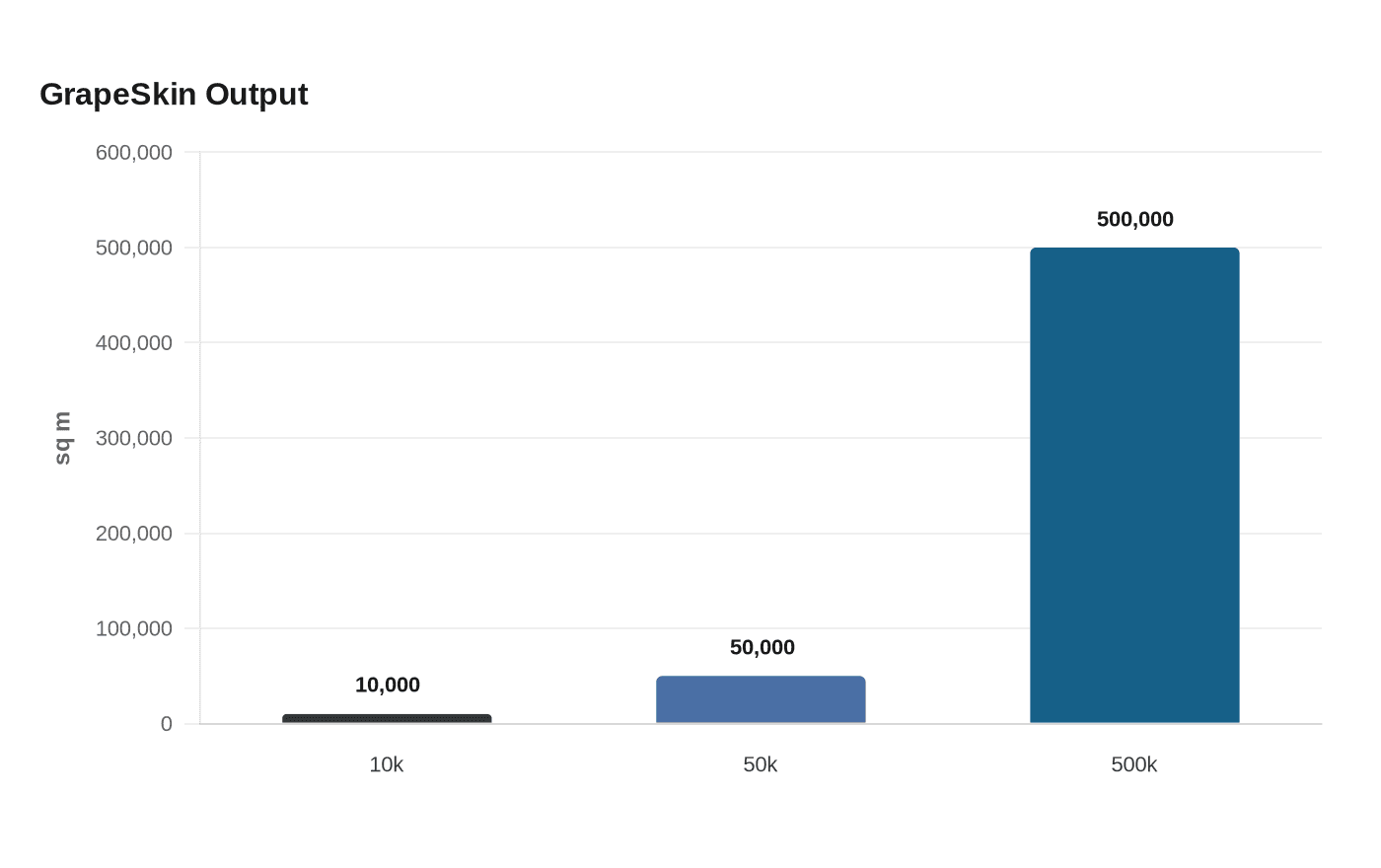
Vegea’s €1.5 million expansion lifted GrapeSkin output to 50,000 square metres a year, but luxury adoption still depends on scale, cost and steady supply.
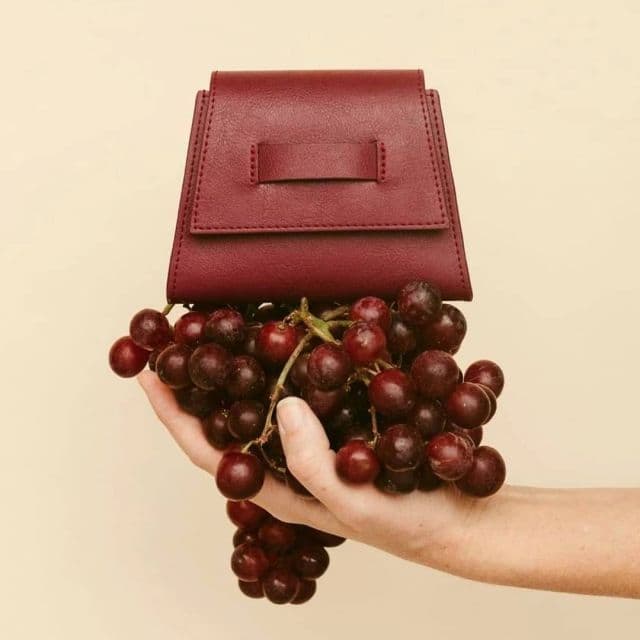
Vegea’s latest expansion is the kind of number the fashion industry likes to celebrate and should still question. A €1.5 million investment pushed annual GrapeSkin production from 10,000 to 50,000 square metres, with equipment that can be scaled to 500,000 square metres, but the real story is whether a grape-waste biomaterial can move from a compelling sustainability gesture to a dependable input for fashion supply chains. The material now sits at the intersection of luxury, automotive and interiors, with customers including Calvin Klein, Tommy Hilfiger, Ferragamo, Ganni and Bentley.
That trajectory began in Milan in 2016, when chemist Francesco Merlino turned an idea from 2015 into Vegea. He had recognized the potential of grape marc, the leftover matter from winemaking, and developed it into a biocompound made from grape skins, seeds and stalks. Vegea now describes GrapeSkin as more than 92% bio-based, vegan and cruelty-free, built for fashion, automotive, design and packaging. In a market crowded with lab-grown promises, that breadth matters: a material is only as useful as the number of categories it can actually serve.
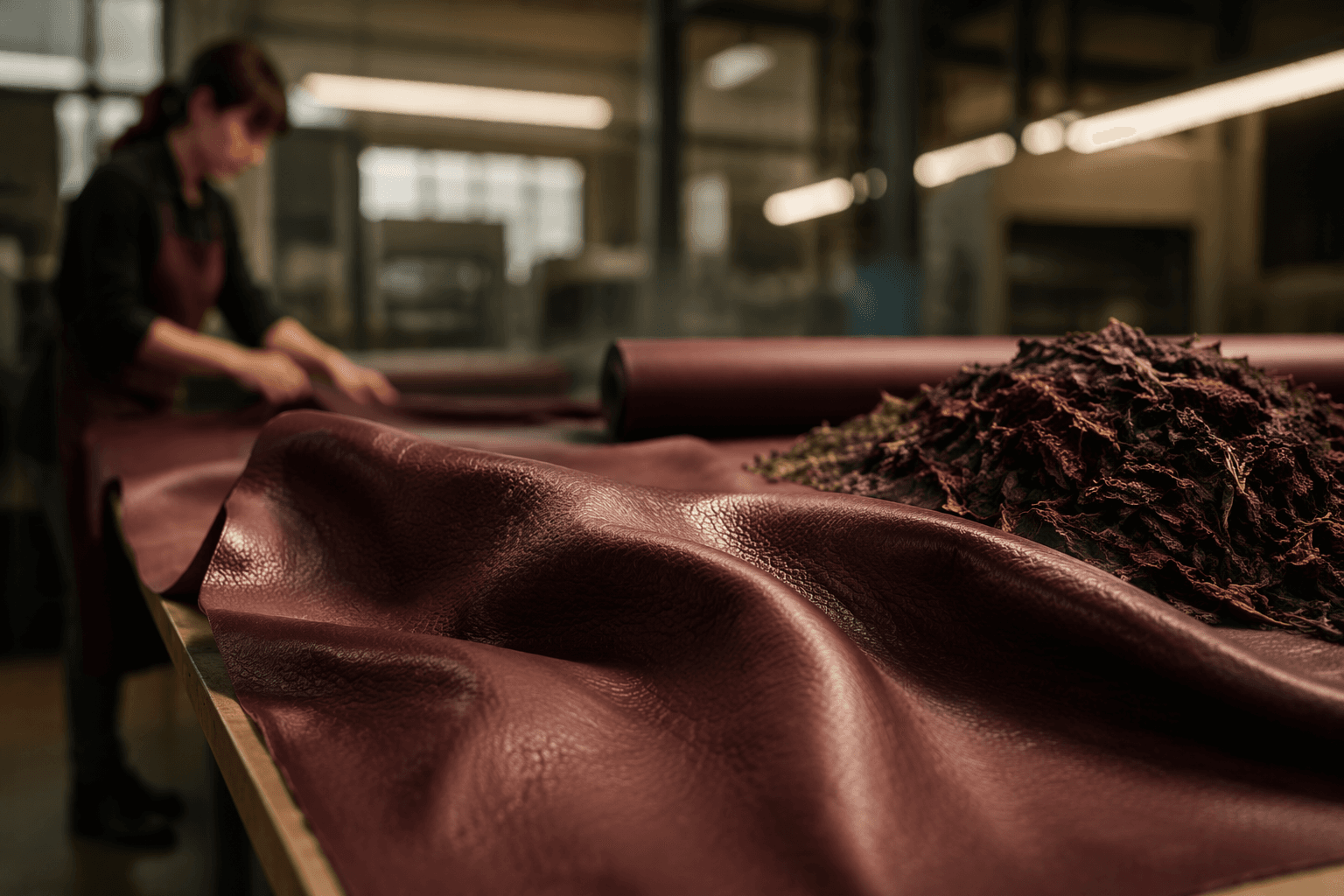
Vegea’s first serious proof point came in 2017, when it won the H&M Foundation’s Global Change Award, a program designed to accelerate fashion’s shift from linear to circular. Each winner receives €200,000 and a yearlong Changemaker Programme, support that Vegea used to industrialize its production. The company’s path since then has been a slow march out of novelty and into application: H&M Foundation says Vegea began working with Bentley in 2019 on car seats, and a Marni collaboration followed in early 2020, putting grape-derived material on the runway rather than only in a materials lab.
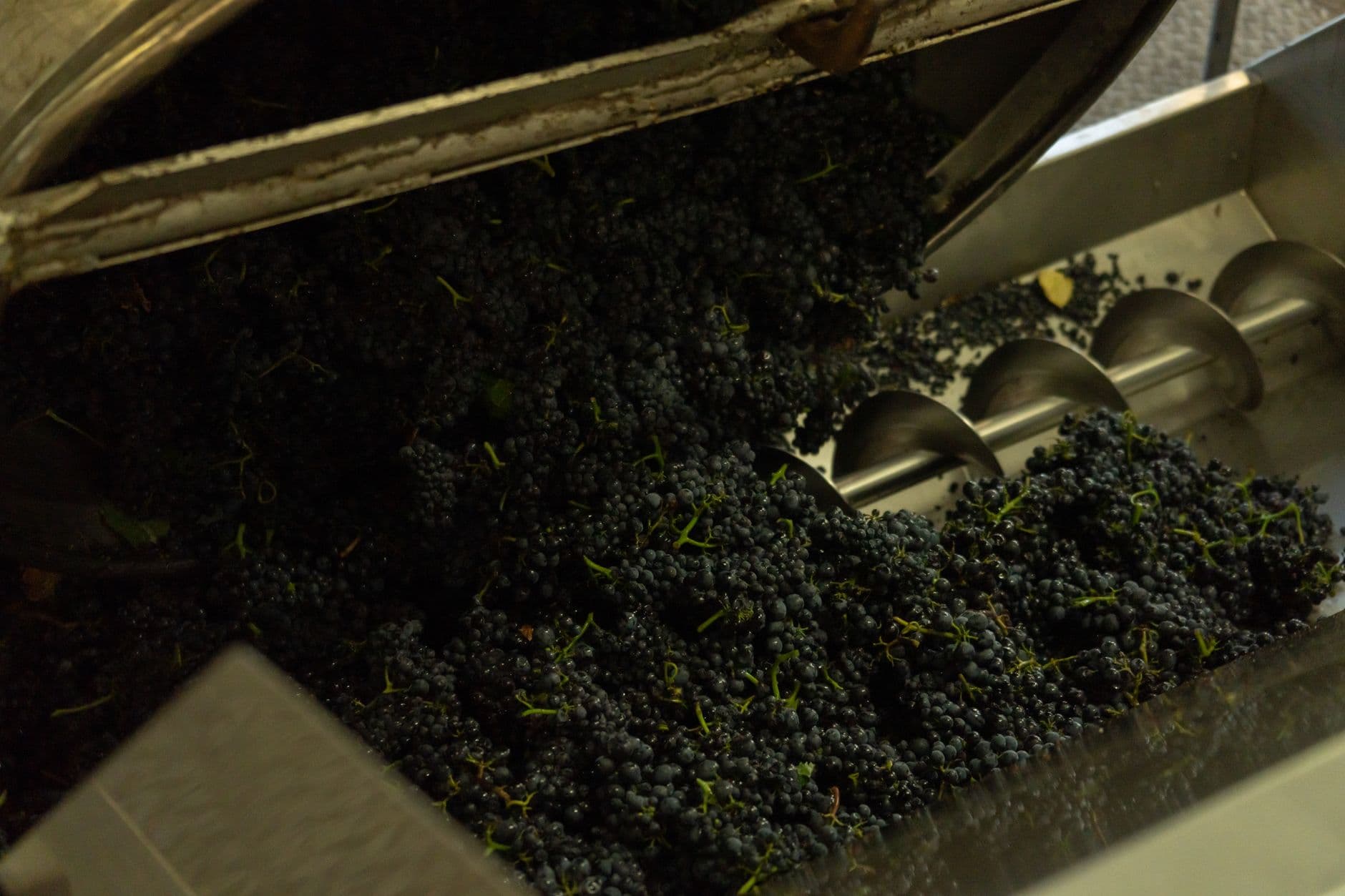
That kind of adoption is where the story sharpens. A showroom sample can impress buyers; a production schedule exposes the weak points. Vegea says the 2026 expansion added upgraded infrastructure and new production units to improve output, availability and delivery times without changing the material specification, which is exactly the sort of unglamorous advance scale-up companies need. The fashion industry has been through enough circularity theater to know that consistency, not just concept, decides whether a material becomes a staple.
Vegea’s progress also tracks a wider luxury shift. LVMH highlighted Stella McCartney’s Frayme bag, crafted from a grape by-product sourced from Veuve Clicquot and grown using regenerative agriculture practices, as part of its circularity agenda. That is the larger signal here: grape-waste biomaterials are no longer a one-brand science project. They are entering the luxury conversation, and the next decade will reveal whether they can leave the runway and hold their place in production.
This article was produced by Prism’s automated news system from verified source data, official records, and press releases, then run through automated quality and moderation checks before publishing. The system is built and supervised by the people who set the standards it runs under. Read our full AI policy.
Did this article answer your question?