Viridis, H&M Validate Electrochemical Wastewater Treatment with Dhaka Textile Mills
Viridis Research Inc. announces an industrial-scale pilot in Dhaka with H&M Group and three local textile mills that validates its electrochemical oxidation wastewater treatment technology.
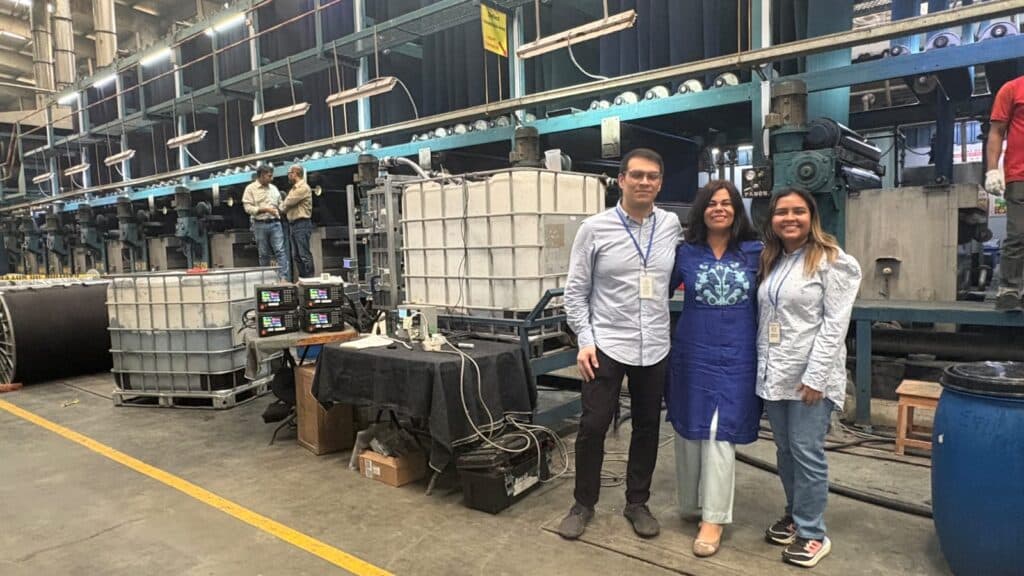
Viridis Research Inc. announces the successful completion of an industrial-scale pilot in Dhaka, Bangladesh, carried out with H&M Group and three local textile mill partners, validating Viridis’ electrochemical oxidation wastewater treatment technology. The news lands today, February 25, 2026, and it moves the conversation about on-site wastewater tech out of lab demos and into real mill runs.
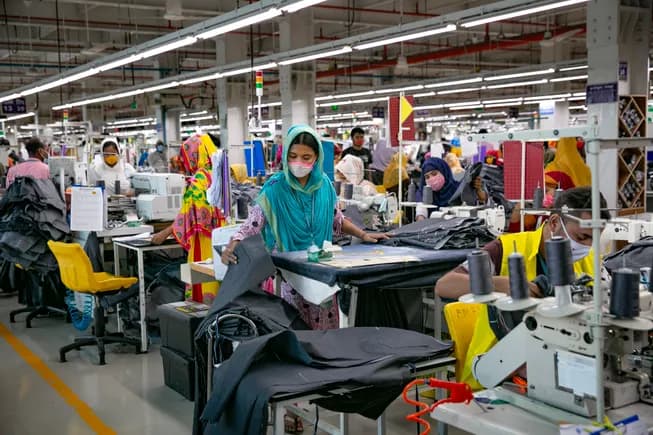
The pilot was run inside Dhaka’s textile ecosystem with three local mill partners collaborating alongside H&M Group procurement and compliance channels. Viridis frames the work as industrial scale, which in practice means the system operated inside functioning dyeing and finishing lines at partner mills rather than in a separate test facility. That operational detail matters: it changes the variable set from controlled inputs to real-world flows, temperatures, and chemical loads that define Bangladeshi production.
Electrochemical oxidation is the specific tool validated here. Viridis tested its platform against the messy cocktail of dyes, auxiliaries, and process salts that come off dyehouses in Dhaka. While Viridis did not publish granular removal percentages in the announcement, the company’s claim of validation at industrial scale signals the technology met performance thresholds under live production conditions accepted by both the mills and H&M Group stakeholders.
H&M Group’s participation elevates the pilot from a local experiment to something the global apparel chain can actually act on. H&M has procurement reach across hundreds of suppliers; running a trial with three Dhaka mills gives the brand a set of working templates for deployment, monitoring, and supplier training that other technologies often lack at this stage. For those mills in Dhaka that are on the fence about replacing or supplementing conventional effluent systems, this is a tangible example negotiated with a major buyer rather than an academic exercise.

For Viridis, validation with H&M and three partner mills provides a clearer commercial pathway. The step from validated pilot to scaled roll-out still requires capex decisions, engineering integration and regulatory permitting at each site, but the pilot removes the “does it work in production” blocker that stalls many wastewater startups. In Bangladesh, where the textile cluster is dense and buyers exercise leverage, having a tested electrochemical option on file with H&M could shorten timelines for broader adoption.
This is not a finish line; it is a gate. Viridis proved the tech in Dhaka’s mills, H&M supplied buyer-level oversight, and three local partners supplied the production complexity. The next moves will be technical integration, investment decisions at supplier level, and whether other brands sign on to replicate the same live test that just cleared its first industrial hurdle.
This article was produced by Prism’s automated news system from verified source data, official records, and press releases, then run through automated quality and moderation checks before publishing. The system is built and supervised by the people who set the standards it runs under. Read our full AI policy.
Did this article answer your question?