WWF, Macy's pilot basin-level water action in textile hubs
Water shortages are now a factory risk: WWF and Macy’s are testing basin-level action in India and Vietnam, where heat stress can lead to fainting, illness and organ failure.
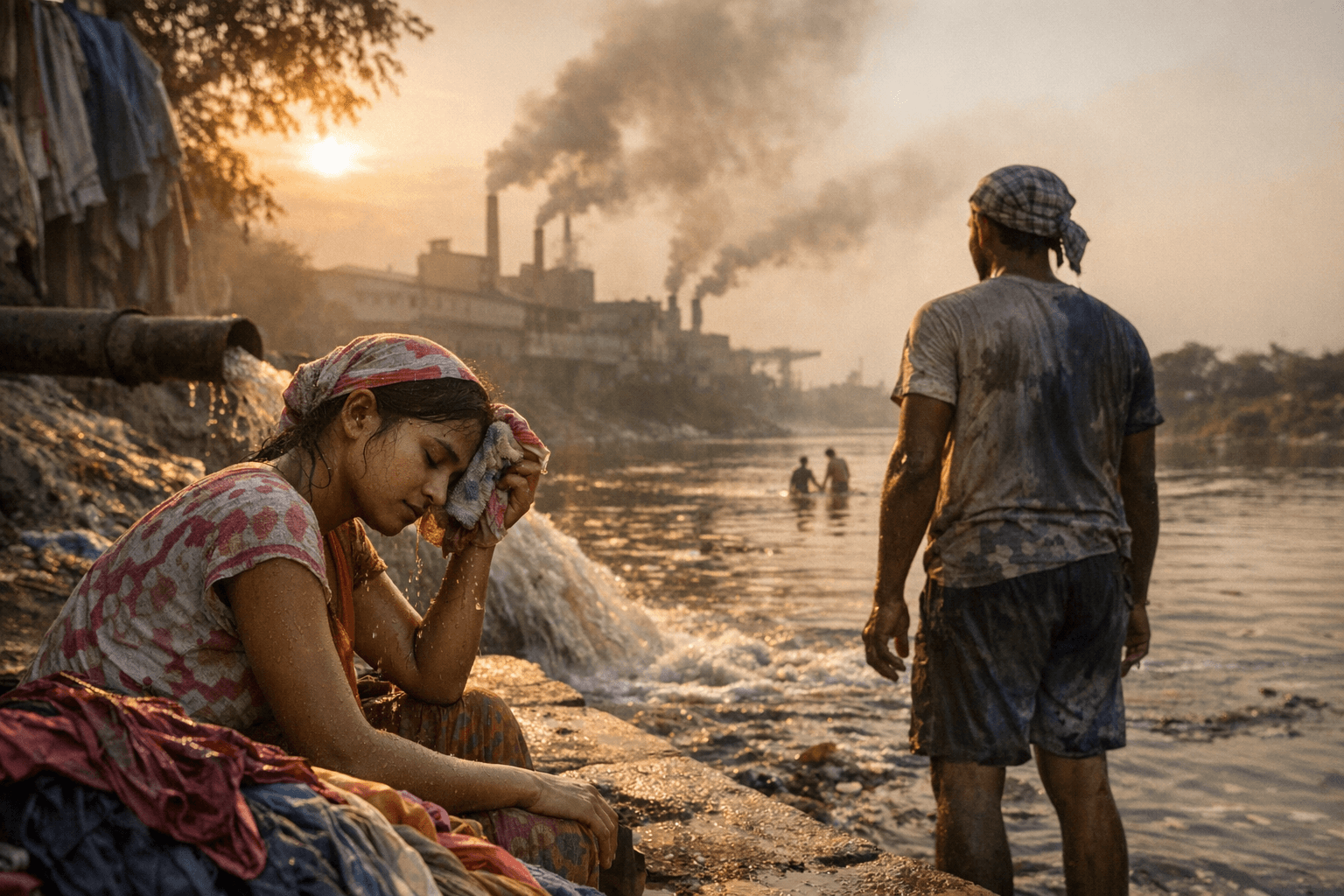
Water scarcity in textile hubs is no longer just an environmental headache. In the Noyyal-Bhavani basin in India and the Dong Nai basin in Vietnam, the same stressed river systems that feed dye houses and finishing units also shape worker health, factory uptime and the stability of surrounding communities.
That is the wager behind Macy’s work with the World Wildlife Fund and RISE. WWF says the partnership is aimed at heat stress, basin health, clean water access, and worker health and safety in textile factories, a mix that makes the business case plain. Clean, reliable water is not only about keeping production lines moving. WWF says it is also essential to protecting workers from heat stress, which can cause dehydration, fainting, reduced productivity, illness and, in severe cases, organ failure.
The approach is deliberately upstream. WWF has argued that water management has to happen at the river-basin level, with businesses, governments and local communities acting together rather than treating each factory as an isolated island. That logic fits the textile industry, where pollution and scarcity travel beyond a single site and where one plant’s water efficiency can still leave a watershed under pressure if the basin itself is neglected. Macy’s and WWF have worked together since 2023 on a global water stewardship strategy, with water-risk assessments across the retailer’s supply chain and practical guidance for suppliers in high-risk regions.
India’s Noyyal-Bhavani basin is the sharper proof point. WWF says its water stewardship work there began in 2018, in one of Tamil Nadu’s most important textile clusters, home to more than 800 garment factories and 3,000 finishing units. In 2024 alone, 128,780 cubic meters of water were saved through efficiency improvements. That is the kind of number that matters on the factory floor and in the neighborhood: less water drawn, less strain on the basin, and more resilience for the workers who depend on it.
The model is not new to WWF. Its first collective action project on water stewardship began in Taihu Basin, China, in 2011, and the organization later expanded basin work into the Indus and Mekong Delta regions. WWF says its basin-level programs are designed to reduce textile-sector impacts, keep river flows healthy and restore freshwater habitats and biodiversity. In Vietnam, the goal is broader still: support a socially equitable and environmentally sound Greater Mekong region.
For fashion brands, the lesson is hard to ignore. The next frontier of sustainability is not only cleaner chemistry or lower-impact mills. It is whether a company can help secure the water systems that factories, workers and communities share, before scarcity and pollution turn a supply chain into a liability.
This article was produced by Prism’s automated news system from verified source data, official records, and press releases, then run through automated quality and moderation checks before publishing. The system is built and supervised by the people who set the standards it runs under. Read our full AI policy.
Did this article answer your question?


