WWF Releases 10-Step Leather Traceability Roadmap to End Deforestation
WWF's Markets Institute released a 10-step leather traceability roadmap on March 9 to help brands trace hides back to the farm and make deforestation-free commitments real.
The Markets Institute at WWF released a practical traceability guide on March 9 designed to close the gap between fashion brands' deforestation-free pledges and the messy, opaque reality of global leather supply chains. Built with RFLCT Consulting and a coalition of unnamed industry partners, the guide gives brands a 10-step operational roadmap to trace leather all the way back to the farm it came from.
The core problem the guide addresses is structural. Cattle ranching is the largest driver of forest loss globally, and leather, though technically a byproduct of beef production, pulls brands directly into that supply chain. Dozens of companies have made deforestation-free commitments in recent years, but committing on paper and actually knowing where your hides originated are two entirely different things. The guide exists to bridge that distance.
The roadmap covers traceability fundamentals, supply chain mapping approaches, and a full implementation plan for achieving end-to-end visibility in leather sourcing. It also puts specific weight on transparency, monitoring, and stakeholder engagement, treating those not as abstract values but as operational practices that brands need to build into their sourcing infrastructure.
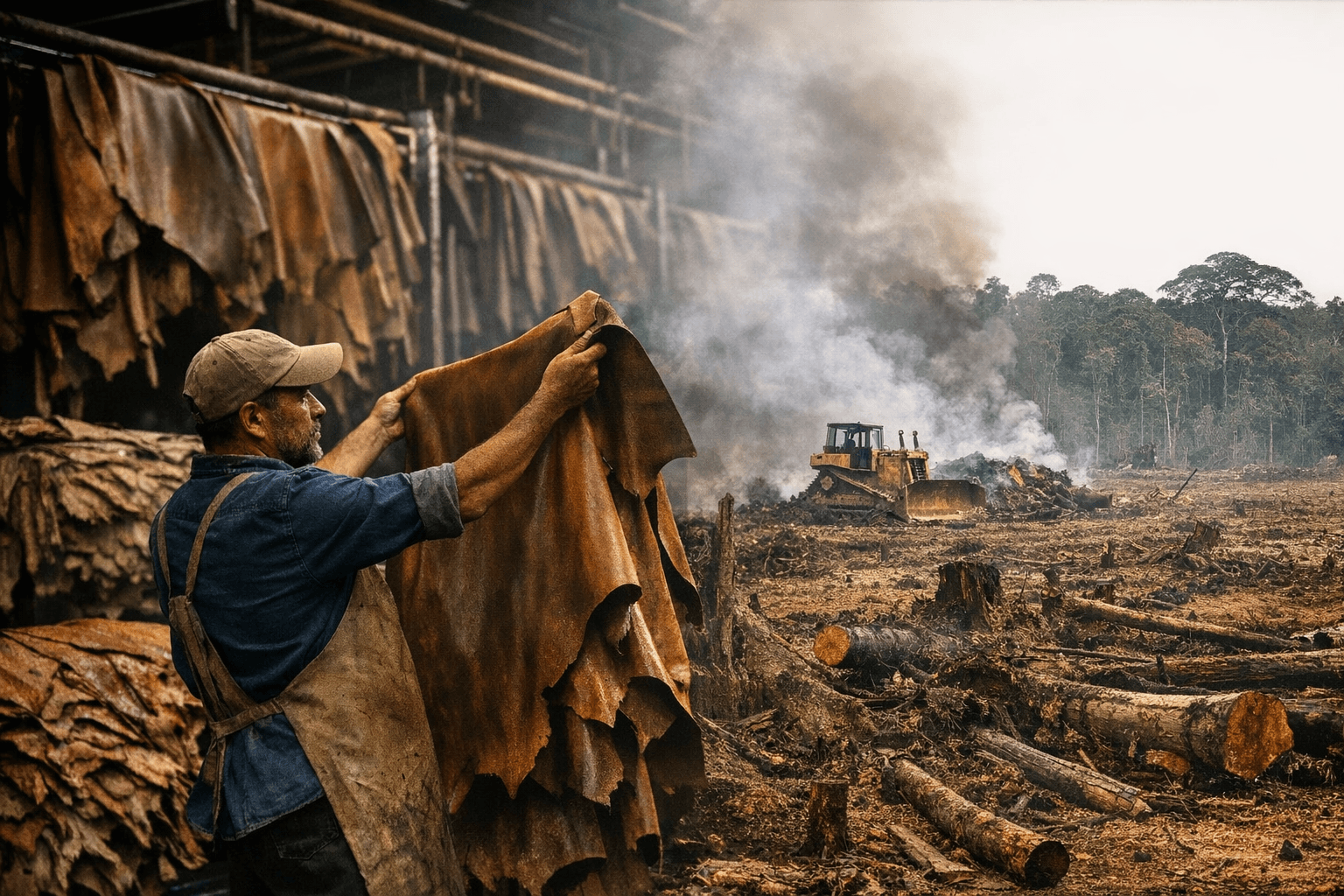
For fashion labels, this is where the commitment-to-action gap tends to widen. A brand can publish a sustainability report pledging deforestation-free leather by 2030, but without knowing the names of the tanneries, abattoirs, and farms in its supply chain, that pledge has no floor. The WWF guide is essentially a technical manual for building that floor, step by step.
The guide arrives as regulatory pressure on supply chain transparency intensifies, particularly in the EU, where due diligence legislation is forcing brands to map their sourcing with more precision than most have historically maintained. A resource that offers a structured, 10-step process rather than aspirational language reflects where the industry needs to go: not more commitments, but documented, verifiable chains of custody from forest to finished good.
This article was produced by Prism’s automated news system from verified source data, official records, and press releases, then run through automated quality and moderation checks before publishing. The system is built and supervised by the people who set the standards it runs under. Read our full AI policy.
Did this article answer your question?


