Youth-Led Sustainable Fashion Week Returns Nationwide for Ages 11 to 23
Sustainable Fashion Week's Future Citizen programme brought workshops, catwalks, and clothes swaps to UK schools and colleges this week, targeting 11- to 23-year-olds nationwide.
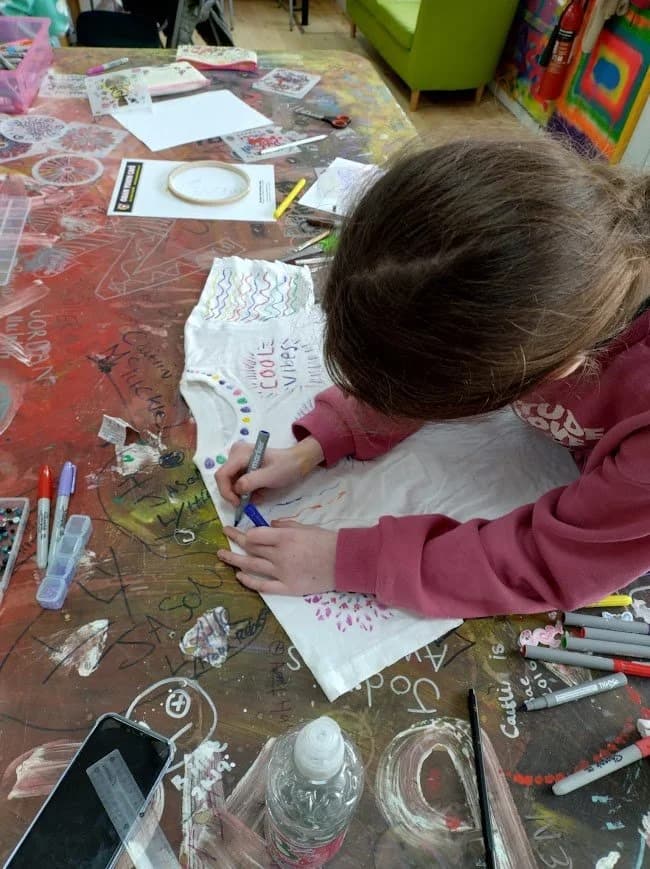
Sustainable Fashion Week's Future Citizen programme is running across the UK this week, March 16–22, placing sustainable fashion education directly inside schools, colleges, universities, and community learning spaces for young people aged 11 to 23.
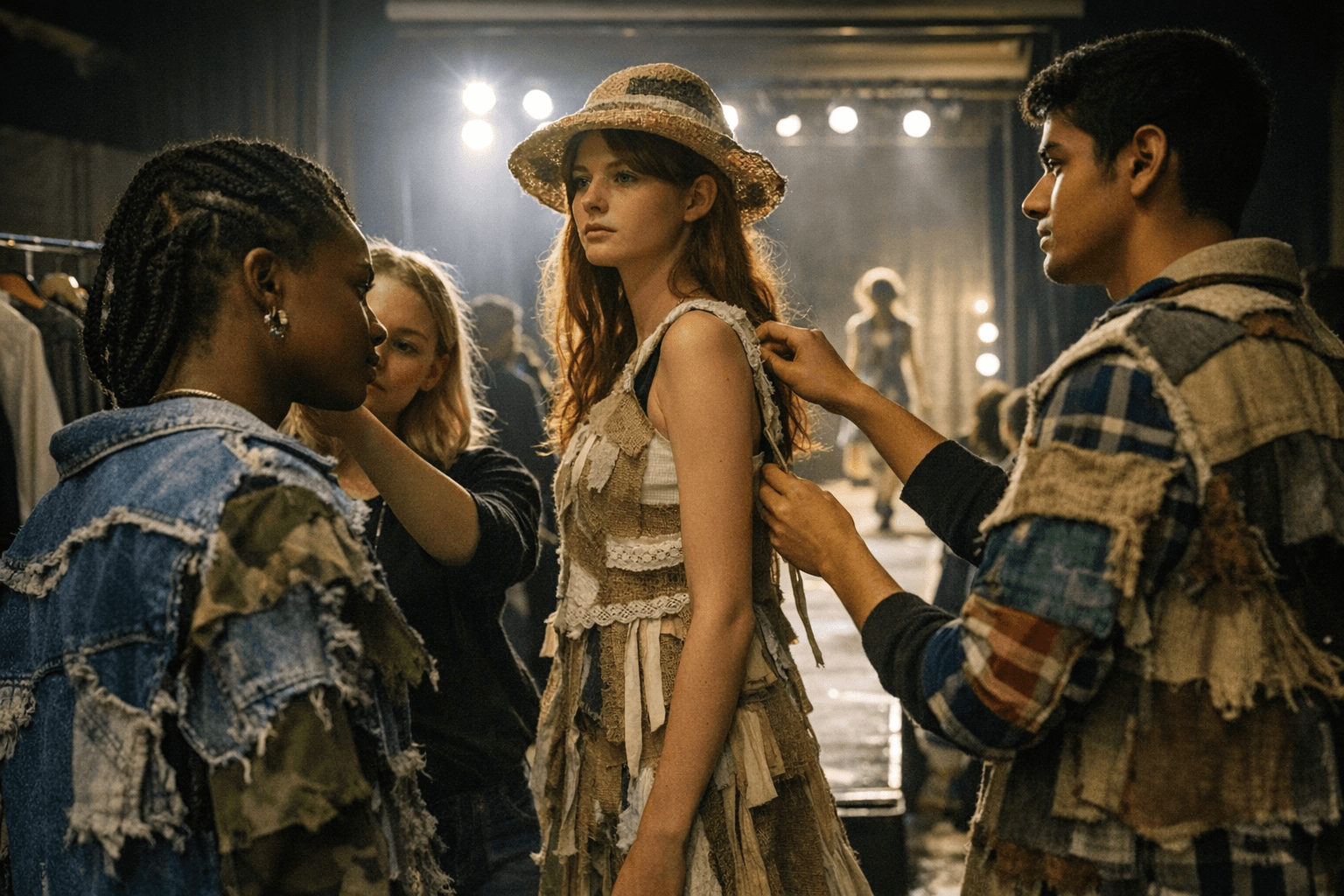
The programme's stated aim is precise: giving the next generation tools to shift their clothing habits, build resilience, and design what it calls "a fair fashion future." Rather than staging a centralised showcase, Future Citizen distributes the work outward, inviting participating organisations to host their own activities, whether for students, neighbouring schools, or their wider local communities. The format is deliberately open: events run from clothes swaps and repair sessions to natural dyeing, film screenings, student-run catwalks, activism workshops, and skills learning, putting the creative and practical decisions in the hands of young participants rather than industry insiders.
The scale of the 2026 edition builds directly on a 2025 pilot that already outperformed expectations. In its first year, Future Citizen partnered with 19 places of learning across the UK, surpassing its own target of 15. That early momentum is notable: youth-focused sustainable fashion programmes frequently struggle to move beyond pilot status, and exceeding a participation target by more than 25 percent in year one suggests genuine appetite from educators.
What distinguishes Future Citizen from conventional sustainability campaigns aimed at younger audiences is its education-led architecture. By routing the week through established places of learning rather than through retail or social media channels, the programme reaches young people in structured settings where knowledge-sharing can be scaffolded and followed up. A 12-year-old attending a school clothes swap is not just browsing a market stall; they are, in the programme's framing, being introduced to the logic of a circular wardrobe at an age when habits are still forming.
The 2026 "Taking Part" deck, available for download through Sustainable Fashion Week UK, outlines the full participation framework for institutions that want to get involved or run events during the remaining days of the week. For educators, the programme offers a ready-made structure for embedding fashion sustainability into everything from textiles and art curricula to citizenship and ethics classes. The 2025 impact report, referenced on the programme page, documents the outcomes from the pilot year and may offer a clearer picture of what a week of student-led fashion action actually produces in measurable terms.
With Future Citizen mid-run and the UK's school calendar creating a window that closes Saturday, the question for 2027 will be whether the programme can scale the participation network significantly beyond what was possible in its first two years.
This article was produced by Prism’s automated news system from verified source data, official records, and press releases, then run through automated quality and moderation checks before publishing. The system is built and supervised by the people who set the standards it runs under. Read our full AI policy.
Did this article answer your question?


