A century of women’s workwear, from shirtwaists to power suits
Women’s workwear is really a history of access: who got to move, who had to look proper, and which clothes finally made room for both.
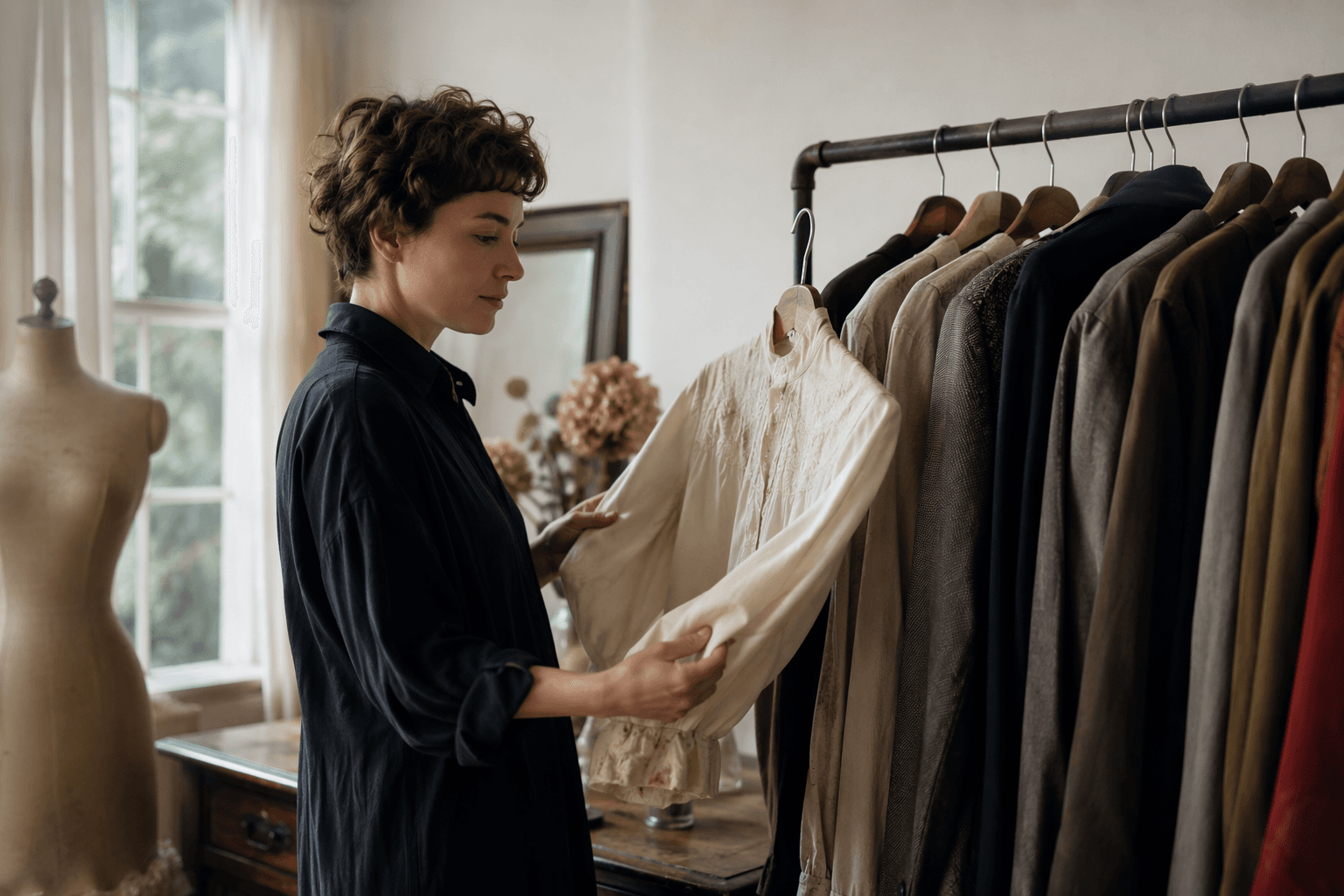
Women’s workwear has never been just about getting dressed for the job. It has been a record of who was allowed into the workplace, what kind of labor they were expected to do, and how much polish they were required to bring with them. The silhouette changed from shirtwaist to trouser to power suit, but the real story is the same: every garment carried a rule, and every rule left a mark on the clothes.
The shirtwaist era: washable, respectable, restricted
By the early 1900s, the shirtwaist had become a standard item in women’s wardrobes, and it made sense because it was practical without looking too defiant. Fine cotton, silk, and linen gave it a crisp, clean finish, the kind of fabric that could read as respectable in an office or survive hard wear in a workshop. In domestic service, though, women’s clothing was often prescribed by employers, while factory workers had a little more freedom under aprons or other overgarments.
That tension between utility and control is why the shirtwaist matters so much. It looks modest now, but in its own era it was a piece of negotiation, worn by women whose jobs and social standing were often decided before they walked through the door. The Triangle Shirtwaist Factory fire in New York City on March 25, 1911, which killed about 146 workers, mostly young immigrant women, turned that reality into a catastrophe no one could ignore. The fire fixed the shirtwaist in labor history, because it showed that women’s workwear was never just a matter of taste. It was tied to safety, industrial risk, and the conditions of production itself.
When work demanded movement
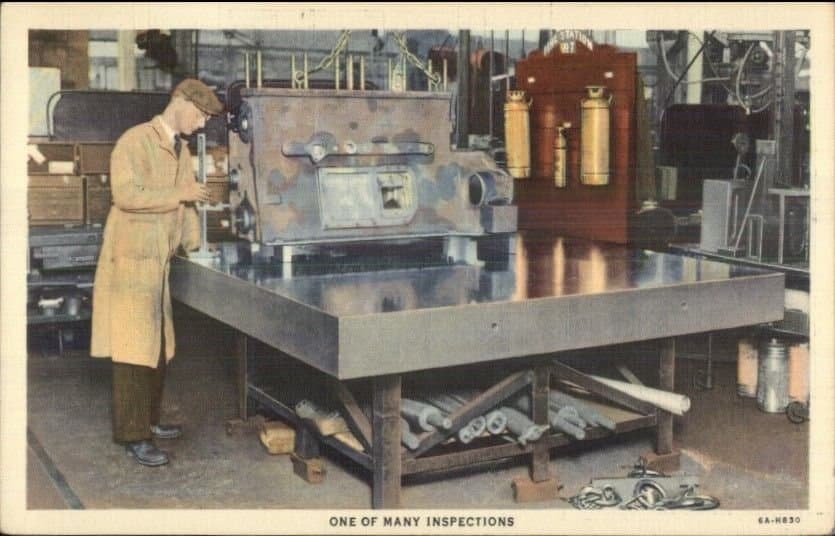
World War I changed the vocabulary of women’s clothes on the job. Trousers entered workwear for practical reasons, and that shift was huge, because it put mobility ahead of convention in places where women were doing physical labor. Early-20th-century factory clothing could also appear as overalls or coverall-like garments, a sharper turn toward protection and function than the buttoned, belted feminine dress codes that had dominated before.
One especially revealing term from the WWI era was “womanalls,” used for women’s work overalls. The name is clunky, but the garment was telling: it made room for the body to bend, lift, climb, and keep going. That is the breakthrough that still shapes modern workwear today. When women’s pants fit well in a workplace now, they are carrying forward a century-old argument that ease of movement is not a luxury, it is part of the job.
The broader lesson here is that women’s paid work has never been one thing. Clerical, domestic, factory, and office roles each carried different expectations, and the clothes followed those divisions closely. The Library of Congress keeps research guides on women in business and the workforce with historical and statistics sections for exactly that reason: the clothing story only makes sense when you look at labor patterns, not just fashion images.
The office learned to police appearance
By mid-century, the divide between manual work and white-collar work hardened. Women in offices were pushed toward neat tailoring and conservative silhouettes, while women in labor-intensive jobs were expected to dress for motion, durability, and dirt. That split still haunts modern dressing, because it established the idea that women had to look competent and restrained at the same time, often with less freedom than men.
The pressure came into sharper focus in the early 1970s, when Boston secretaries organized around working conditions and low pay through the 9to5 movement. The movement made office culture itself part of the conversation, not just wages or hours. PBS has linked that activism to changing working women’s wardrobes, and that makes sense: once women were pushing back on the structure of office life, the clothes started loosening too.
A 2023 HR Brew piece put the long problem plainly, describing office dress codes for women as historically shaped by patriarchal expectations and appearance judgments. That is why women’s workwear has so often felt like a balancing act. Even when the rules relax, the scrutiny usually does not disappear. The line between “professional” and “too much” has always been drawn on women’s bodies first.
How that history shows up in today’s wardrobe
The current workwear closet still carries all of those older compromises and breakthroughs. Trousers remain the most obvious inheritance from the WWI era, but the best versions now do more than signal permission. They need room through the hip and thigh, enough structure to hold a crease, and fabric that can take real wear, not just a filtered office selfie. Wool blends and sturdy cottons still win because they look sharp and do not collapse by lunchtime.
A modern workwear lineup that actually understands this history looks like this:
- Trousers with movement, not just a slim silhouette
- Jackets with pockets and enough structure to read as authority
- Shirts in cotton, silk, or linen, still the cleanest bridge from the shirtwaist to now
- Layering pieces that can move between office, commute, and after-hours without losing shape
- Coverall-inspired jumpsuits or utility pieces when the job, or the mood, calls for more function than polish
The power suit belongs in this same lineage, too. Its shoulders, clean lines, and sharp tailoring turned authority into a visual code, and women adopted it because the office still rewarded a certain kind of hardness. Even now, the best workwear tailoring borrows that logic without copying the stiffness. It gives you structure without trapping you in it.
The smartest way to wear women’s workwear now is to treat it like a tool kit, not a costume. The clothes should let you move, sit, carry, lift, and still look pulled together after a long day. That has always been the real modernity in this category: not the suit, not the skirt, not even the trouser, but the fight to make clothes that let women do the work and be seen doing it on their own terms.
This article was produced by Prism’s automated news system from verified source data, official records, and press releases, then run through automated quality and moderation checks before publishing. The system is built and supervised by the people who set the standards it runs under. Read our full AI policy.
Did this article answer your question?