Corduroy’s ribbed weave makes it a workwear staple with range
Corduroy earned its place in workwear by doing the job: the ribbed wale traps warmth, hides wear, and gives trousers, chore coats, and overshirts real texture.
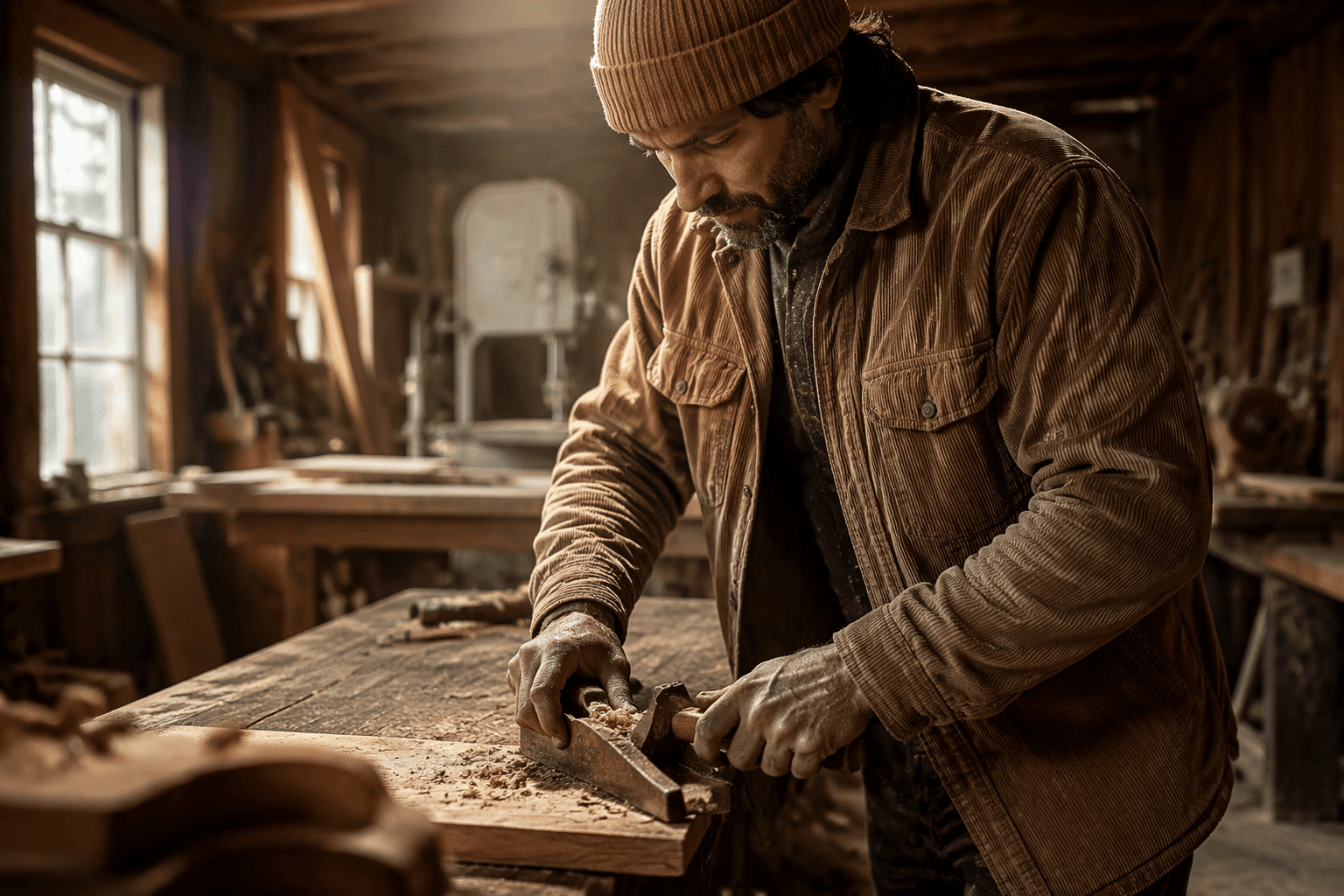
Corduroy’s raised wales gave the cloth durability, warmth, and a visual identity that made sense for labor before it made sense for fashion. That is why corduroy still reads as practical first and stylish second, even when it shows up in sharp tailoring or a clean chore coat.
From fustian to corduroy
The cloth’s lineage runs back to fustian, a heavy woven textile tied to ancient Egypt and to Fustat around 200 BC. Corduroy did not arrive as decoration. It grew out of a family of hard-wearing fabrics built for use, then picked up new names and new lives as it moved through trade and tailoring.
The fabric has also been called corded velveteen, Manchester cloth, elephant cord, and pincord. Those names trace corduroy through English-language clothing culture, especially in places like Manchester, where textile identity and industrial clothing history have long been tangled together.
Why the wale matters
The whole point of corduroy is the wale, the ribbed ridge that runs along the fabric. The ridges are the product, not an accessory. Those raised cords give the cloth its texture, help conceal wear better than flat cotton, and add enough surface interest that even a plain trouser feels considered.
Wale count changes the mood fast. Sewport puts corduroy’s range at 1.5 to 21 wales. A low-wale cord feels broad, dense, and rugged, while a high-wale version looks finer, smoother, and closer to tailored cloth.
The fiber content stretches the fabric even further. Corduroy can be made from cotton, cotton-poly blends, wool, or fully synthetic fibers, which means the word no longer describes one fixed material so much as a family of ribbed fabrics. The core idea stays the same: the pile and ribs create warmth, body, and a surface that looks alive in motion.
Built for work before it was built for style
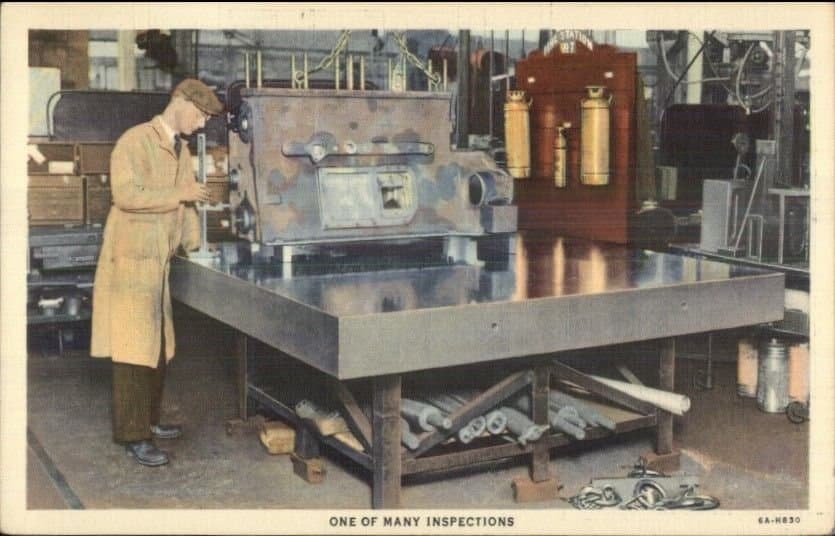
Corduroy has long been linked to laborers’ functional wear, and that association still shapes how it reads today. It belongs in the same visual universe as denim and other hard-wearing staples because it solves the same problem: make clothing that can take abrasion and still look decent after repeated use. The texture is doing practical work here, not just decorative work.
Railroad history makes that even clearer. On the rails, corduroy was among the fabrics that could stand up to daily punishment, alongside other durable workwear cloths.
How fashion keeps pulling it forward
Corduroy never stayed trapped in utility. The fabric is strongly tied to 1970s tailoring, especially wide, high-waisted trousers that use corduroy’s ribbing to sharpen the silhouette. That period gave corduroy a different kind of authority: still sturdy, but now also expressive, a fabric that could carry volume and polish at the same time.
That dual life keeps corduroy returning to contemporary wardrobes. The cloth can look disciplined in a blazer, easy in an overshirt, and deeply familiar in a pair of trousers with a broken-in drape. It has the same energy in a cap or collar detail, because the wale gives even small applications more personality than a flat weave.
Where corduroy works best now
The strongest corduroy pieces lean into function and texture at the same time. Trousers are the obvious entry point, especially wide-wale pairs that bring heft and warmth where denim usually lives. Overshirts and chore coats are just as convincing, because the fabric has enough structure to hold a shape without feeling rigid or precious.
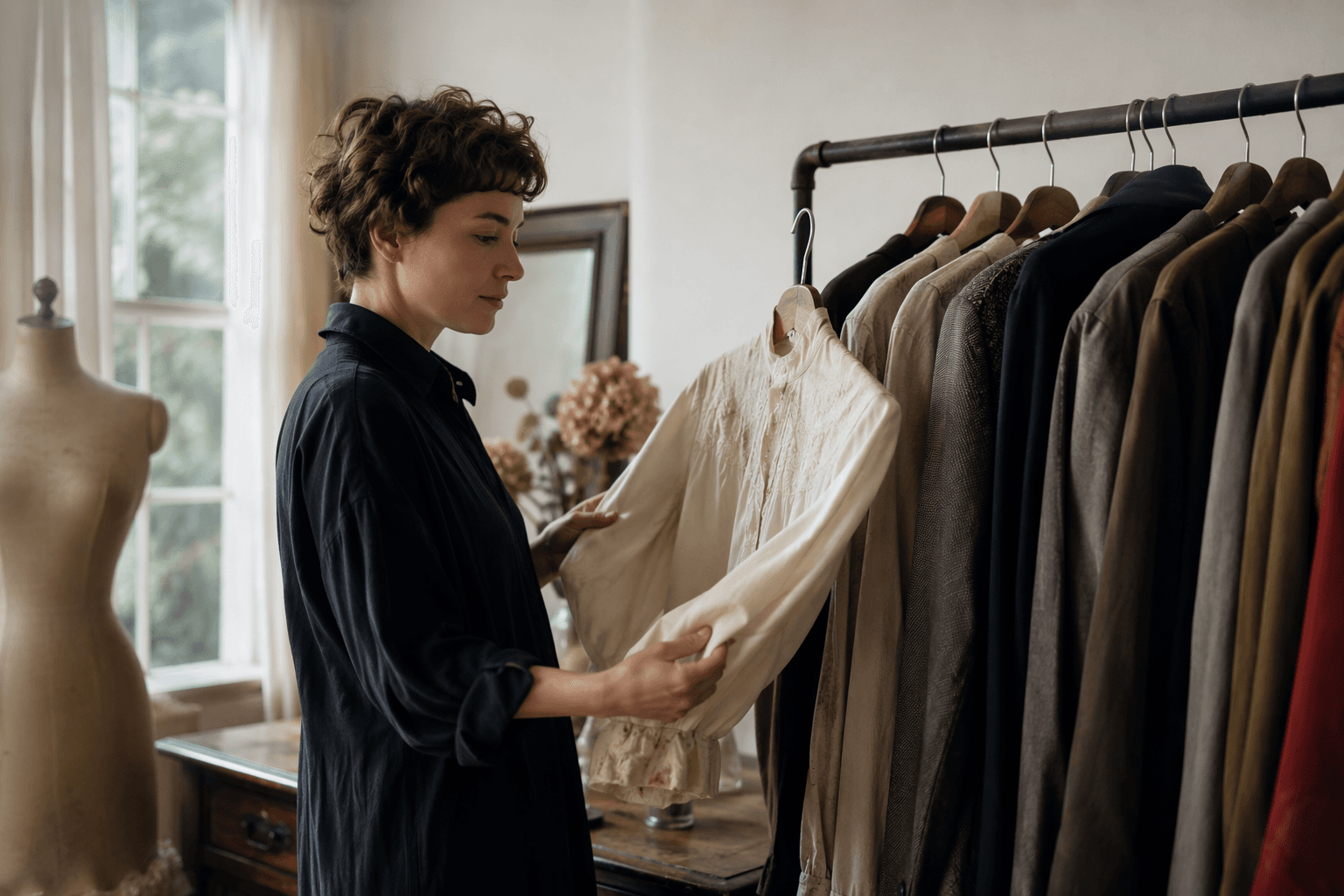
Corduroy also plays well in smaller doses. Caps, collars, and blazers use the ribs to break up an outfit and give it depth, especially when the rest of the look is built from flatter fabrics.
- Denim brings the same rough honesty, but corduroy adds a softer hand and more visual movement.
- Moleskin shares the sturdy, brushed feel, though corduroy’s ribs make it look more articulated.
- Waxed cotton adds weather resistance, and corduroy balances that slickness with warmth.
- Flannel gives you softness and pattern, while corduroy gives you depth and structure.
- Leather boots seal the whole language together, because the fabric’s rugged texture feels right with a hard shoe.
A corduroy piece also earns points for how naturally it sits next to other workwear staples:
How to read a modern corduroy piece
When you pick up corduroy now, do not treat it like a generic seasonal fabric. Check the wale count first, because it tells you whether the piece is aiming for ruggedness or refinement. A lower wale count will usually read heavier and more workwear-coded; a finer wale can slide into tailoring without looking stiff.
Then look at the fiber content. Cotton corduroy has the classic feel, but cotton-poly blends, wool, and synthetics change the drape, warmth, and durability in ways that matter once the garment is actually worn.
Keeping the pile alive
Corduroy asks for a little care, but nothing precious. Brush off dirt when you can, wash cold when necessary, avoid overheating it in the dryer, and use steam to bring the pile back to life. Those moves keep the ribs from going flat and preserve the texture.
This article was produced by Prism’s automated news system from verified source data, official records, and press releases, then run through automated quality and moderation checks before publishing. The system is built and supervised by the people who set the standards it runs under. Read our full AI policy.
Did this article answer your question?