Engineer boots, the workwear staple built for durability and style
Pull-on engineer boots are back because the silhouette removes laces, wears fast, and turns hard-use practicality into a cleaner workwear line.
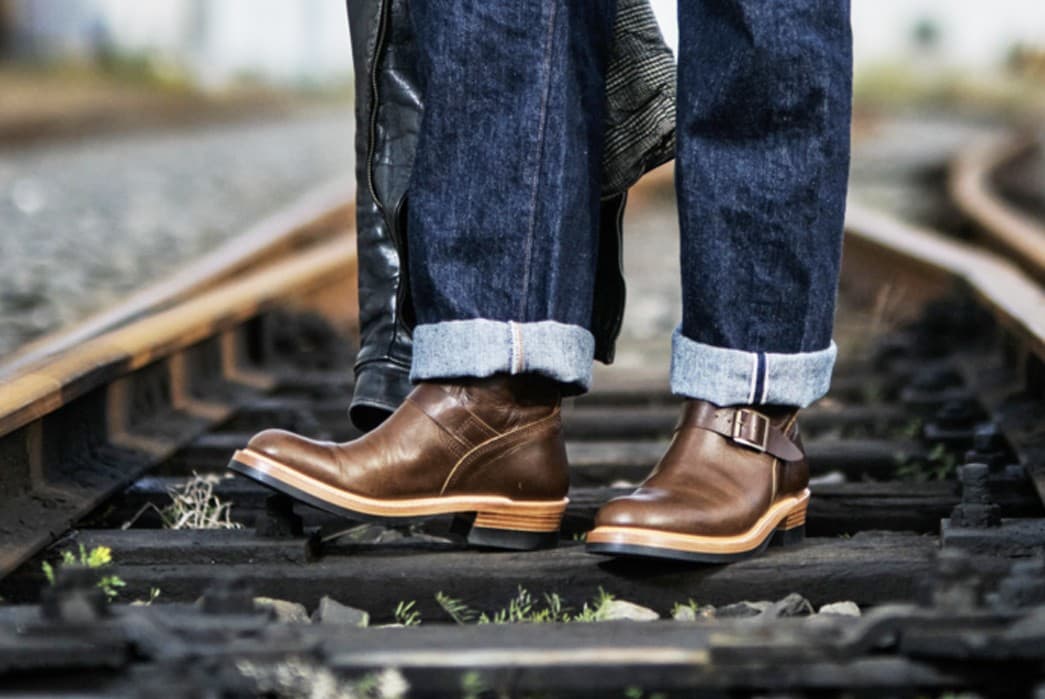
Engineer boots make a persuasive case for function first: no laces to snag, a pull-on shaft for quick on-off wear, buckled straps to lock the fit, and a heavy sole that looks ready for real work the second it hits the floor. That stripped-down construction is exactly why the boot keeps resurfacing in workwear conversations, where cleaner lines and heritage utility feel sharper than fussy lace-up alternatives. The appeal is not nostalgia alone; it is the visible logic of a boot built for machinery, riding, and long days on hard surfaces.
What makes the silhouette distinct
A real engineer boot is easy to recognize once you know the shape. The shaft runs tall, the instep sits snug, and the buckles usually cross the ankle and upper shaft so the boot stays secure without lacing. Thick leather and a heavy sole do the rest, giving the boot the kind of stability and durability that made the style useful in the first place.
- Tall shaft: part of the identity, not a decorative add-on.
- Buckled straps: they secure the fit and reinforce the boot’s industrial profile.
- Snug instep: it keeps the boot anchored even though it is pull-on.
- Heavy sole: built for traction, longevity, and hard wear.
- Thick leather upper: gives the boot structure and visible aging over time.
That construction is why engineer boots read differently from standard service boots or lace-up work boots. The front stays clean, the silhouette stays direct, and the boot never relies on extra hardware to make its point. In fashion terms, it is rugged without being busy, which is a rare balance.
A workwear object with a real history
Engineer boots were shaped by practical demands long before they became a style cue. ASME’s August 6, 2015 article Engineers Get the Boot looked back at early 20th-century engineers who thought seriously about protective footwear, and it cited Chippewa 17-inch engineer boots as an example. That matters because it places the boot in the world of protection and endurance first, before the fashion vocabulary arrived.
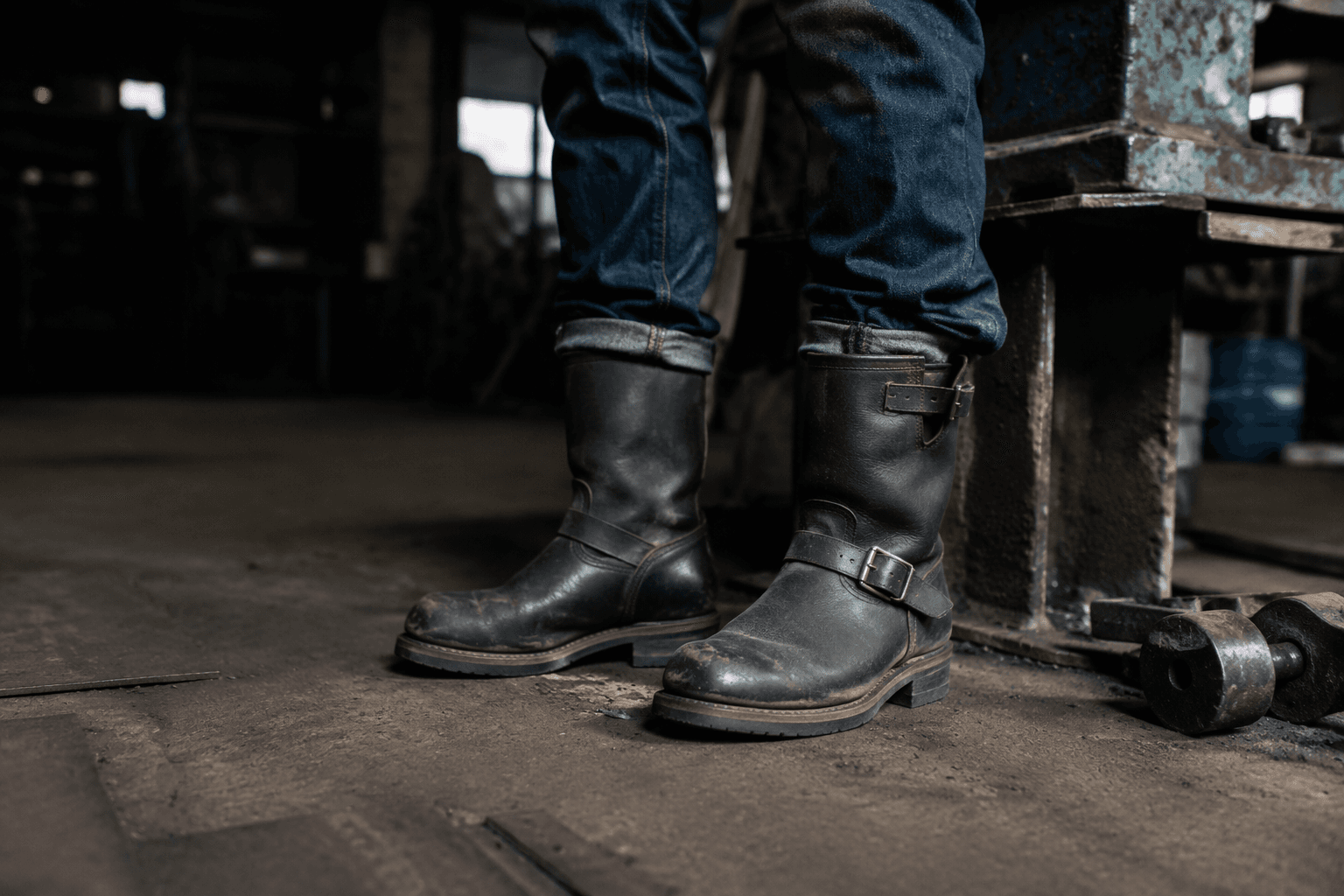
Heddels added another useful anchor with The History of Engineer Boots with John Lofgren on March 16, 2015. Together, those histories show how the boot moved from industrial use into motorcycle and rockabilly culture, where its hard-edged profile made immediate sense. The silhouette was never limited to one tribe, though, which is part of its staying power: once a design is that legible, it can keep slipping between workwear, subculture, and wardrobe staple without losing its identity.
The makers keeping it alive
Modern engineer boots still look convincing when they keep the classic formula intact. John Lofgren Bootmaker maintains a dedicated engineer-boot collection page, which signals that the category is still treated as a distinct line rather than a museum object. That kind of commitment matters because the boot only works when the proportions stay disciplined: tall shaft, secure buckles, and a shape that refuses to overcomplicate itself.
Wesco Boots’ Boss Engineer Boot is the clearest premium reference point in the category. It shows how the silhouette can be maintained as a serious product with real material presence, rather than softened into costume or trend bait. The best engineer boots do not try to reinvent the shape out of recognition; they preserve the original purpose and let the leather, sole, and hardware carry the authority.
Why the pull-on boot feels current again
The return of engineer boots makes sense in a moment when workwear is being rethought around ease, durability, and visible utility. A 2025 style result on military-style boots described a refined return to everyday style, while Lucas Workwear’s May 16, 2025 piece framed modern safety footwear as a place where safety meets style. Engineer boots fit cleanly into that shift because they deliver the same practical promise with less visual clutter.
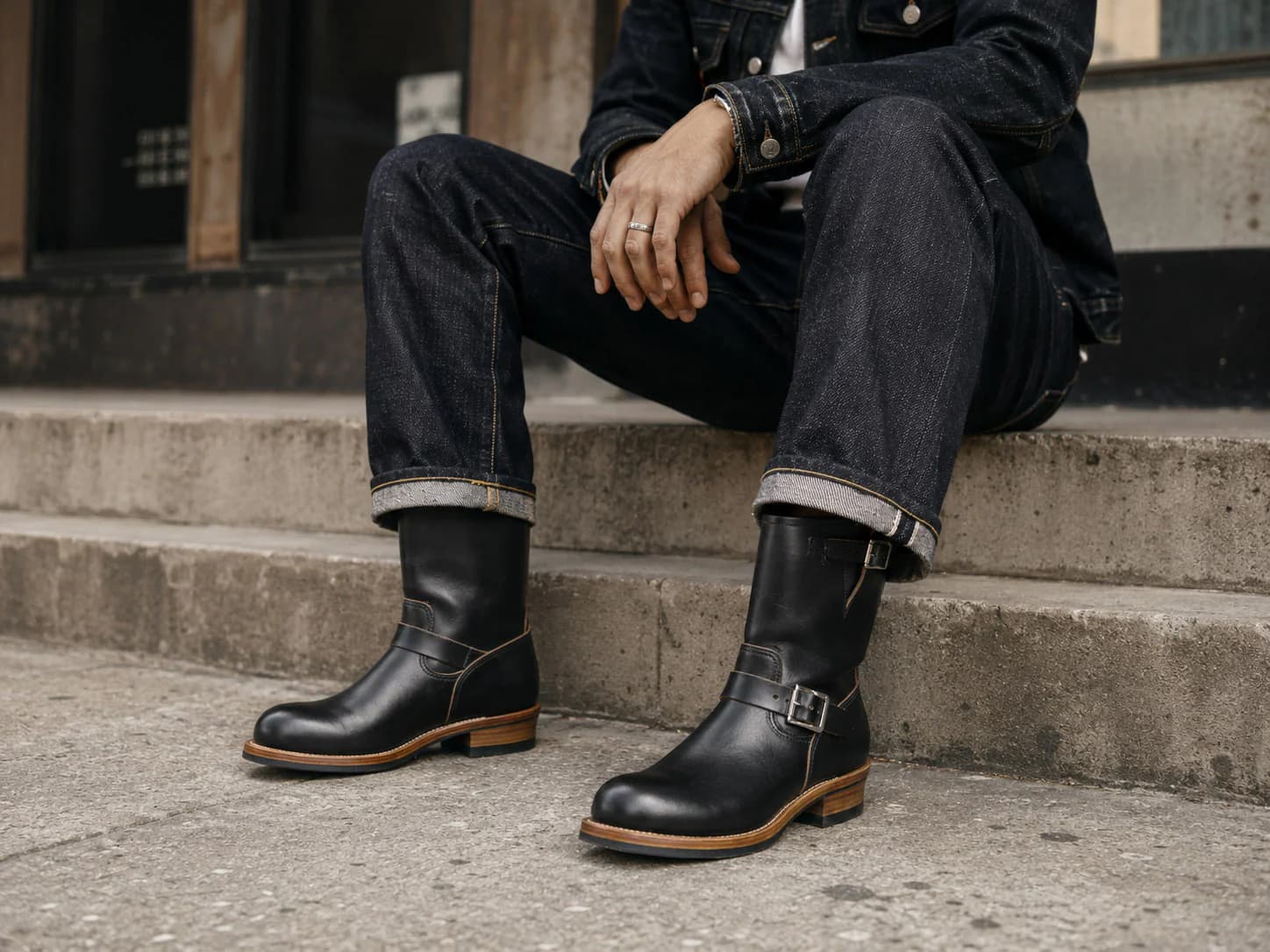
What reads as modern is not just the toughness but the efficiency. Fewer failure points mean fewer things to break, no laces means faster on and off, and the unbroken front gives the boot a leaner, more rugged line than many lace-up work options. That is why the silhouette pairs so naturally with straight denim, double-knee trousers, and rugged canvas pants, and why it can even sharpen pared-back tailoring when contrast is the point.
The boot also rewards time. Thick leather and a heavy sole do not flatten the way smoother fashion footwear can; they develop character in layers, with creasing, scuffing, and patina becoming part of the appeal. That aging process is a big reason engineer boots keep returning to fashion discourse: they do not just look sturdy at purchase, they become more convincing the longer they are worn.
How to read the boot on sight
If you want the authentic read, focus on proportion before decoration. The shaft should feel tall, the instep should sit secure, and the buckles should look functional rather than ornamental. A boot that keeps those details intact will always feel closer to the original workwear logic, which is exactly why engineer boots keep standing out in a market full of overdesigned alternatives.
The strongest versions do one thing exceptionally well: they turn practical engineering into style without losing the evidence of the job. That is the reason the engineer boot keeps coming back, and why the best pairs still look as if they were built to work before they were ever built to impress.
This article was produced by Prism’s automated news system from verified source data, official records, and press releases, then run through automated quality and moderation checks before publishing. The system is built and supervised by the people who set the standards it runs under. Read our full AI policy.
Did this article answer your question?