Miu Miu turns aprons into a feminist workwear statement
Miu Miu made the apron the season’s sharpest uniform, turning labor-coded shapes into glossy, feminine status pieces with real fashion pull.
Miu Miu is pushing luxury uniform dressing away from stiff, rule-bound function and into something slyer, prettier, and collectible. In Miuccia Prada’s hands, aprons and smocks stop reading like practical cover-ups and start behaving like symbols: worn, styled, and reimagined into a code that feels both domestic and undeniably high fashion.
The apron as the new luxury uniform
The clearest signal came on October 6, 2025, when Miu Miu showed its Spring/Summer 2026 collection in Paris at the Palais d’Iéna. The collection was framed as a consideration of the work of women, their challenges, adversity, and experience, and the show notes spelled out the thesis in plain language: work as effort, care, love, independence, and agency. That is a very Miu Miu move, taking a garment associated with protection and labor and loading it with attitude, status, and meaning.
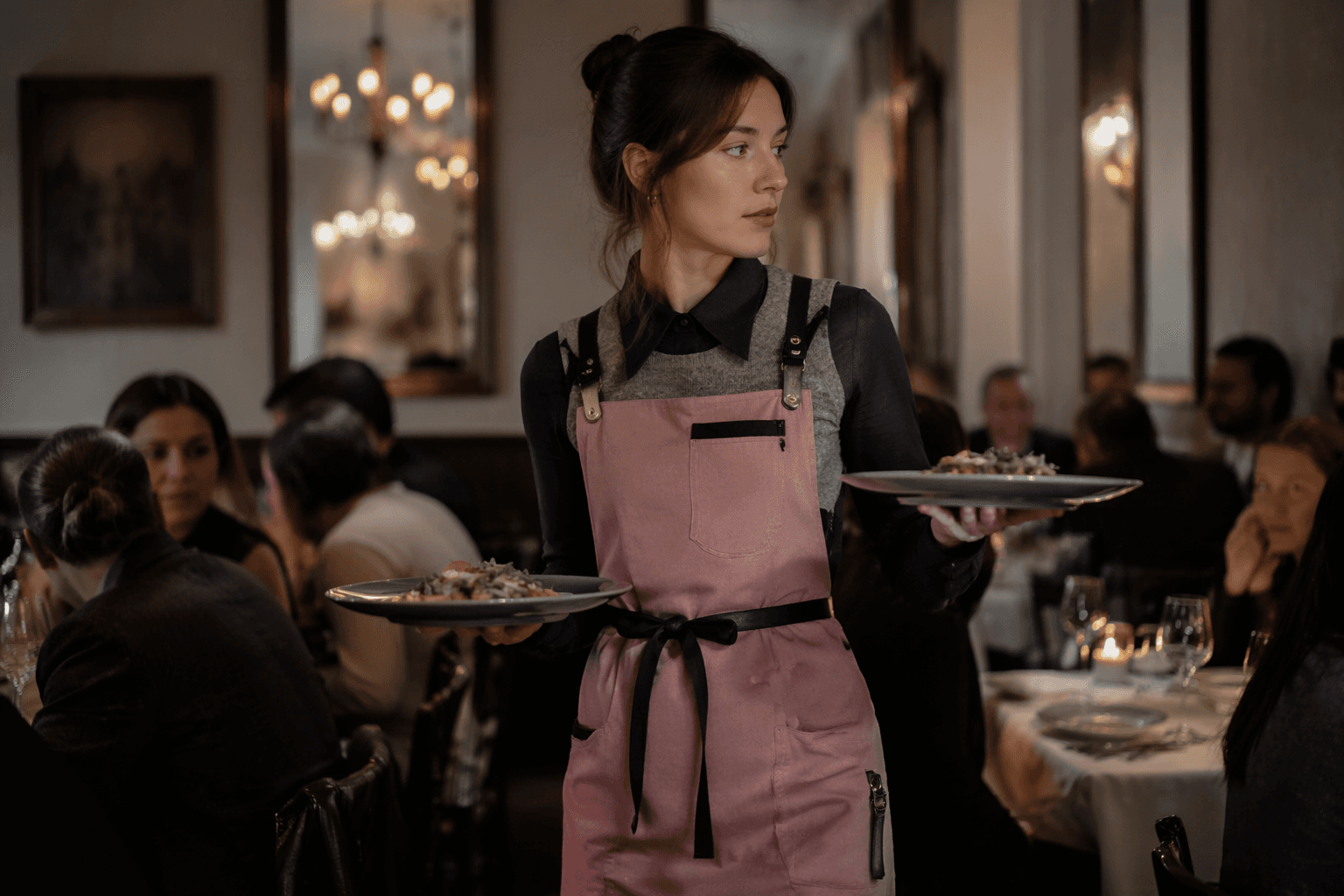
Aprons were the star, not a side note. They came in protective leather, cotton drill, embellished versions, and apron-like layers worn over shirting, bikinis, and barn jackets. Miuccia Prada said the apron symbolizes women from factories to serving to the home, and described it as a symbol of protection, care, effort, and hardship. That framing matters because it turns workwear from a practical category into a visual language with emotional charge.
How the show made labor look desirable
The styling kept the whole thing from tipping into costume. Instead of treating utility as rough or literal, the collection made the apron feel crisp, polished, and deliberately styled, the kind of piece that looks sharp over something fragile or unexpectedly glamorous. Apron layers over a shirt or bikini change the silhouette instantly: they break up the body, add structure at the front, and make even the simplest base layer feel curated.
The set design backed that up without making a speech out of it. Industrial Formica tables were used as seating, and the atmosphere felt cafeteria-like, which gave the whole presentation a work environment tension without flattening it into nostalgia. The result was not “look, a factory,” but something more interesting: a luxury house treating labor not as costume, but as a refined wardrobe language.
That is why the collection landed so strongly. Reporters noted that this was the first time Miu Miu made the apron the focus of an entire collection, and you could feel that singularity in the runway’s clarity. The garment has always carried associations of service, domestic work, craft, and care; here, it was recut as a status object with enough irony to feel modern and enough seriousness to feel substantive.
Why this sits inside Prada’s bigger workwear obsession
Miu Miu did not invent this line of thinking out of nowhere. Prada was founded in Milan in 1913 by Mario Prada, Miuccia Prada’s grandfather, and Miuccia has spent years circling work, function, and utility across both Prada and Miu Miu. That family history matters because it helps explain why these clothes never feel like a gimmick. They come out of a house that has repeatedly treated clothes as systems, not just outfits.

The logic also connects back to Prada’s Spring 2026 and Fall/Winter 2026 collections, where the house took on function, layering, and the meaning of clothes with an agnostic kind of intelligence. In that context, Miu Miu’s apron collection reads less like a one-off stunt and more like part of a larger designer-led recode of uniform dressing. The strictness that once defined workwear is being softened, feminized, and made collectible.
That shift is exactly why the look feels so current. Luxury is increasingly borrowing from garments with clear jobs to do, then stripping out the bluntness and replacing it with irony, tactility, and styling flexibility. Aprons, smocks, barn jackets, and pinafores work because they already come with a shape and a story. Miu Miu simply gave them a sharper social life.
The garment cues that will filter out next
If you want the runway translation, start with silhouette. Expect apron fronts, bib-like overlays, cotton drill textures, leather trims, and layered pieces that sit over shirts or tank tops instead of hiding underneath them. The collection also pushed embellished versions, which means the market version of this trend will not be purely utilitarian. It will be cleaned up, softened, and made a little decorative, because that is how workwear becomes fashion rather than uniform.
The most interesting part is the tension between sturdiness and fragility. Cotton drill reads hardworking and direct; leather brings a tougher, more expensive edge; embellishment tips the whole idea into private fantasy. Put those together and you get the Miu Miu formula at its best: a garment that references labor but is worn like a wink.
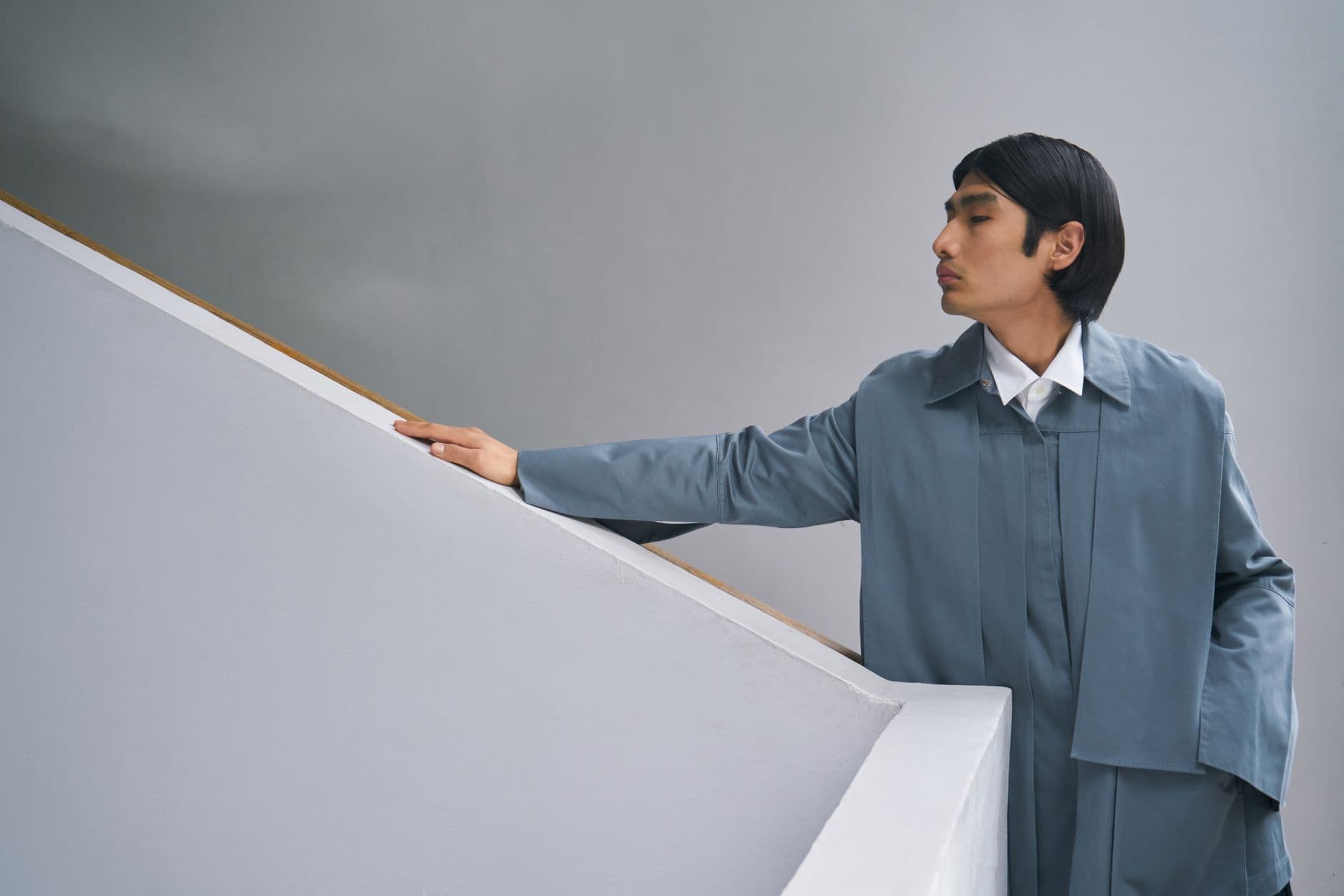
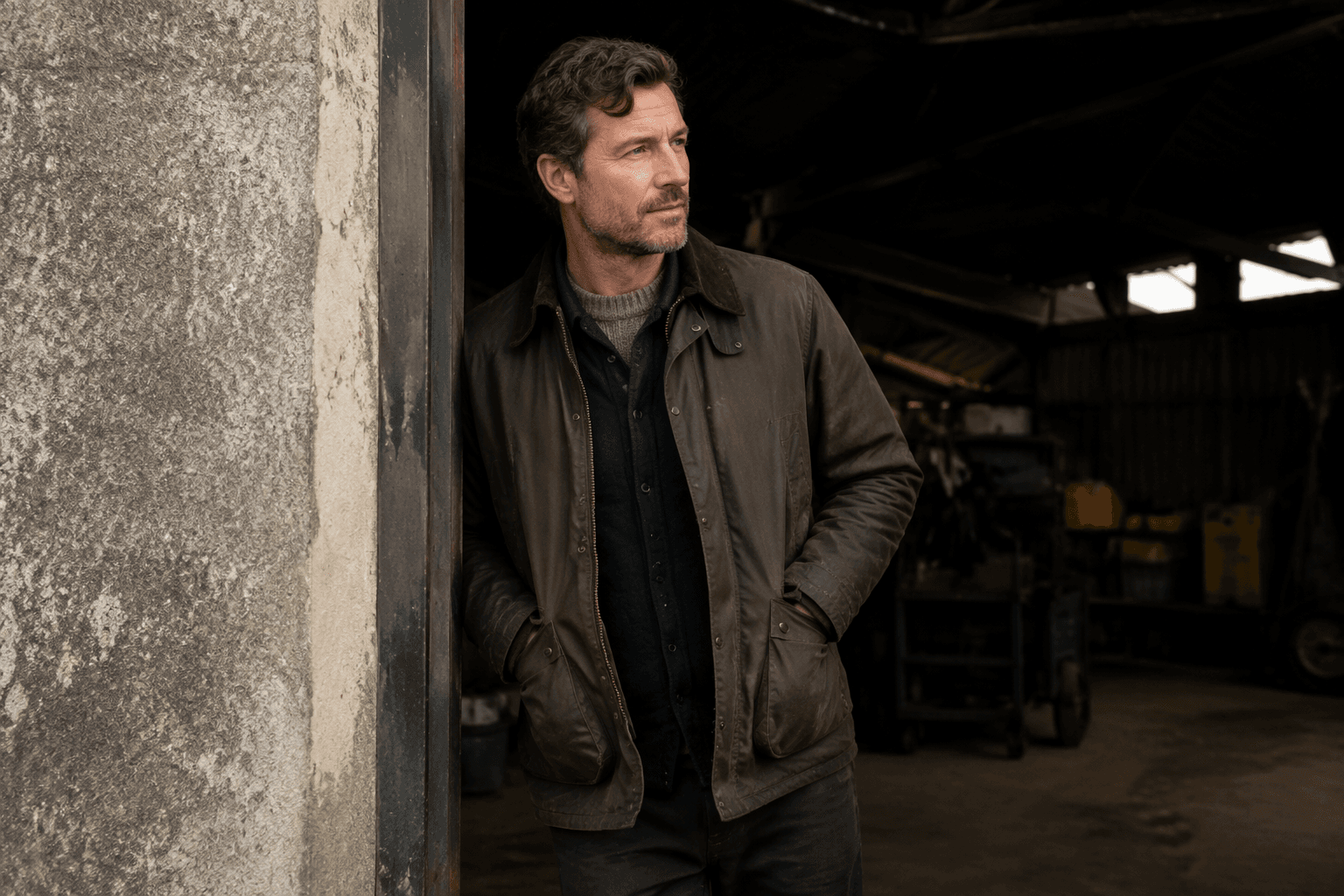
Barn jackets and shirting are the obvious partners here, but the show also showed how far the apron can drift from its original context. Worn over a bikini, it becomes cheeky and exposed. Worn over tailoring, it becomes almost archival, as if office dressing had been filtered through the language of domestic craft. That range is exactly why the shape has legs.
The red-carpet afterlife was immediate
The runway did not stay on the runway for long. Emma Corrin wore a look from the Miu Miu spring 2026 collection to the London Film Festival in October 2025, which is the clearest sign that the apron idea already has cultural traction beyond fashion insiders. Once a silhouette jumps from Paris show seating to a film-premiere photocall, it stops being a concept and starts becoming a wardrobe reference.
That is where Miu Miu is smartest right now. It is not just reviving workwear, it is changing the emotional register of it. Aprons, smocks, and other labor-coded pieces are being recast as feminine, ironic, and worth collecting, and that is the kind of move that tends to ripple outward fast. The next wave of workwear will not be about looking ready for the job. It will be about looking like the uniform itself has been edited by someone with taste, history, and a very sharp point of view.
This article was produced by Prism’s automated news system from verified source data, official records, and press releases, then run through automated quality and moderation checks before publishing. The system is built and supervised by the people who set the standards it runs under. Read our full AI policy.
Did this article answer your question?