Raw Denim Returns as Gen Z Embraces Rigid, Fading Jeans
Gen Z is turning raw denim into a discipline: rigid jeans, slower break-in, and visible fading are replacing disposable washes.
Raw denim’s new appeal is discipline, not nostalgia
Raw denim is back because it asks for patience. The rigid hand, the longer break-in, the gradual whiskers and fades all feel like a deliberate rejection of throwaway jeans, and that is exactly why younger shoppers are leaning in. Highsnobiety’s read of the moment puts raw or raw-looking pairs across A.P.C., Uniqlo, Zara, Supreme, and Denim Tears, which tells you this is no niche uniform anymore.
What makes the comeback feel fresh is that it connects style to routine. A good pair of raw jeans changes with wear, mapping the knees, the seat, the wallet line, the cuff. In an era obsessed with quick turnover, that slow transformation has become part of the appeal, especially for readers who want clothes that look earned rather than pre-finished.
Why workwear, why now
This revival lands because raw denim still carries its original workwear logic: durability, utility, and the satisfaction of a garment that gets better through use. Selvedge and raw denim are tied to shuttle-loom construction, sturdy fabric, and personalized fading, so the jeans do not just look tougher, they actually tell the story of how they have been worn. That is a very modern kind of luxury, one built on time rather than sheen.
The broader denim mood in 2025 and 2026 reinforces the shift. Denim Dudes’ Fall/Winter 2025-26 forecast, shaped by Amy Leverton and Shannon Reddy, centered Gen Z’s appetite for authenticity, creativity, and purpose. At the same time, the silhouette direction has softened: cleaner lines, more relaxed legs, less cartoonish exaggeration. The result is a denim market that feels less like costume and more like wardrobe infrastructure.
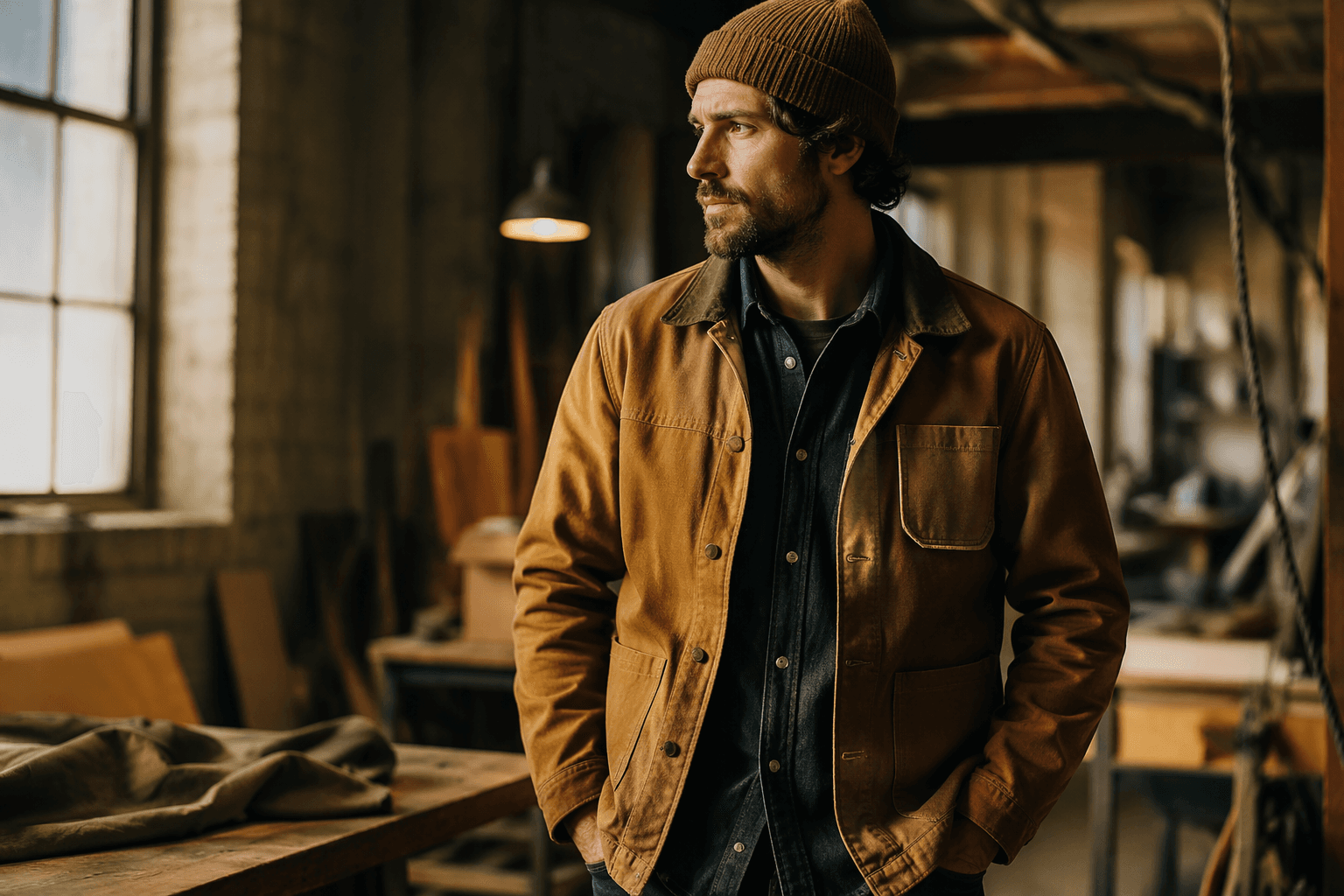
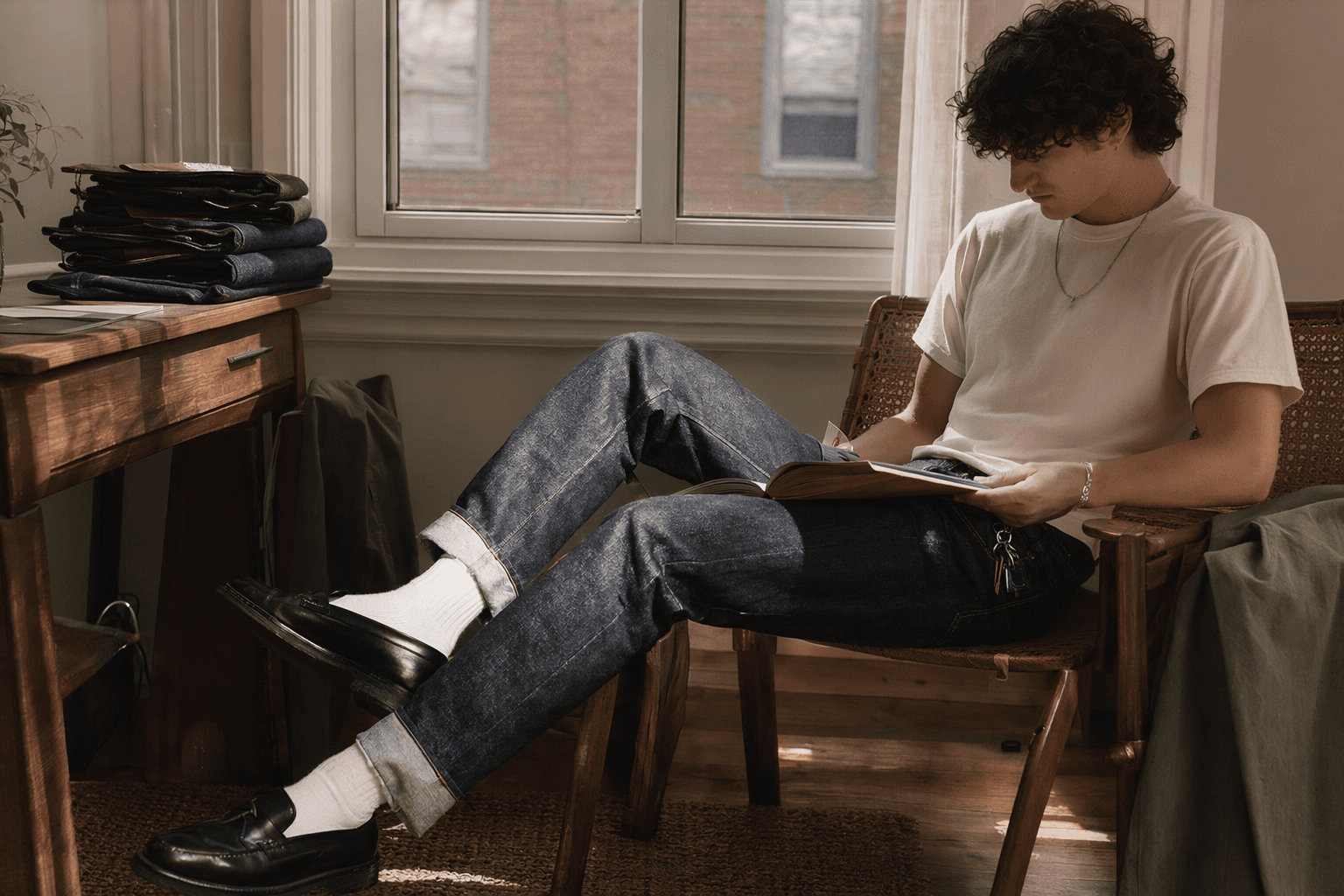
For workwear dressing, that matters. The jeans that resonate now are not the painted-on skinny cuts of the last cycle, nor the overly distressed pairs that do all the talking for you. The sweet spot is a rigid straight or gently relaxed silhouette in a dark indigo wash, with enough structure to hold a jacket or chore coat but enough ease to sit naturally with boots, sneakers, or loafers.
The brands shaping the comeback
A.P.C. remains the clearest argument for raw denim as a style philosophy. Jean Touitou launched the brand in 1987 and chose to develop raw fabric in the late 1980s, when pre-washed denim ruled the market. That decision still defines the label: A.P.C. presents raw denim as core identity, not seasonal novelty, and its brand guide treats the fabric like a discipline with rules, rituals, and reward.
Levi Strauss & Co. adds the historical weight behind the trend. Its archives, established in 1989, hold more than 135,000 digital assets, a reminder that denim is not just clothing, it is memory, labor, and American culture in textile form. That kind of archival depth helps explain why raw denim keeps returning whenever fashion starts craving something sturdier than novelty.
Then there are the brands translating the look for different audiences. Uniqlo makes raw and raw-leaning denim feel accessible, stripping the idea down to fit and function. Zara gives the trend speed and reach, putting the shape into the fast-moving wardrobe cycle. Supreme and Denim Tears show how raw denim can live in streetwear, where the jeans still feel rugged but carry more attitude, more styling range, and more cultural signal.
What fits actually work in a modern workwear wardrobe
If you want raw denim to earn its keep, start with shape. A straight leg does the most work: it sits cleanly over a boot, reads sharp with a chore jacket, and will not date as quickly as an extreme taper or an exaggerated wide leg. A relaxed fit can work too, especially if the rise is balanced and the leg hangs clean rather than sloppy. The point is structure, not stiffness for its own sake.
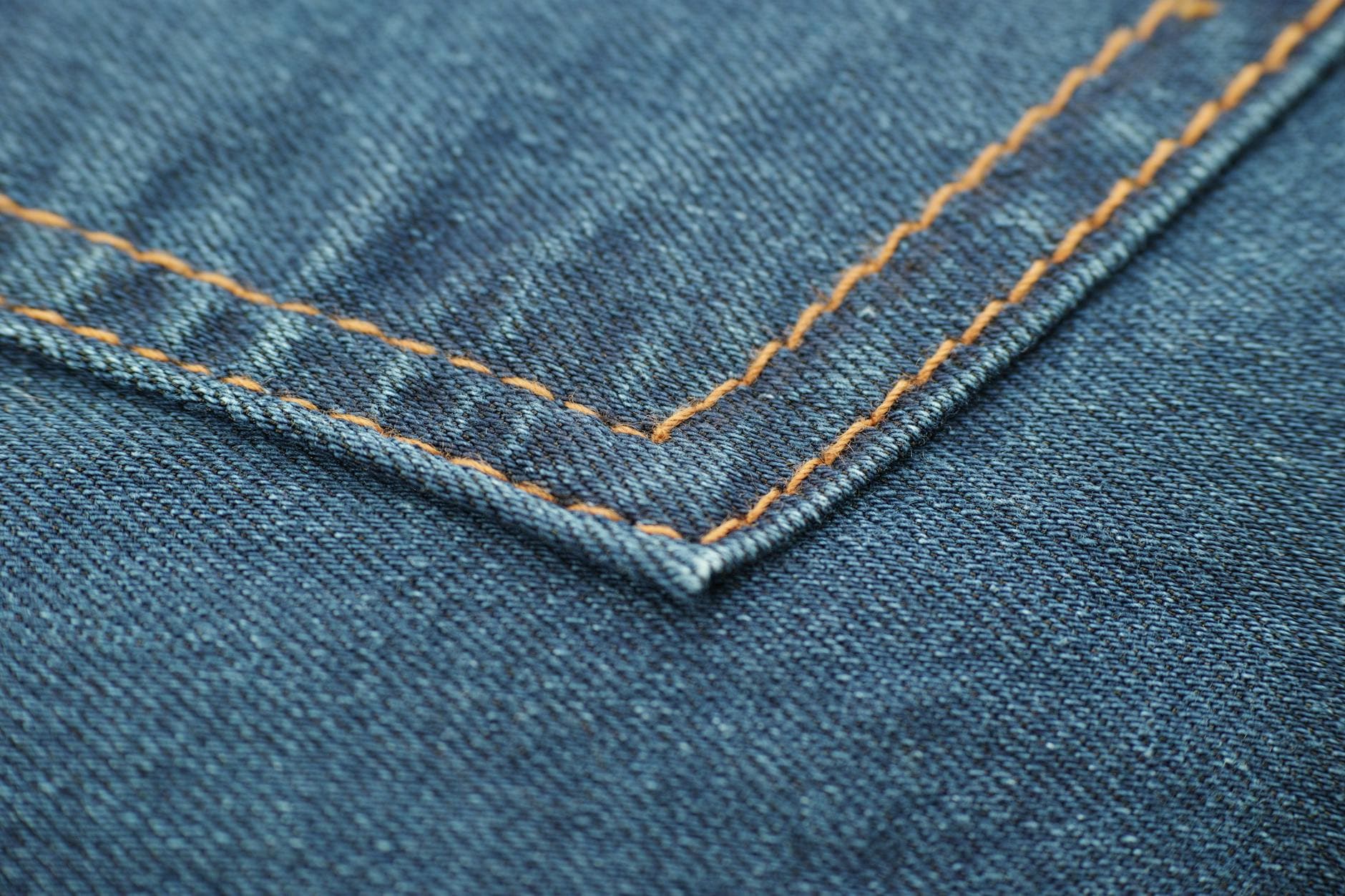
Wash matters just as much. Deep indigo raw denim is the strongest starting point because it fades slowly and evenly, giving you that lived-in workwear look over time. Mid-indigo raw pairs are easier if you want the evolution to show sooner. If the jeans are already heavily faded, whiskered, or pre-abused, you lose the entire pleasure of the break-in process, which is the whole point of the return.
A practical edit looks like this:
- Choose a rigid straight or relaxed fit before you chase a specific label.
- Favor dark, unwashed indigo if you want the most dramatic fade.
- Keep detailing minimal, since contrast stitching, heavy sanding, and fake distressing fight the workwear mood.
- Let the hem stack or cuff naturally so the denim can crease and soften where your life actually happens.
That approach makes sense across price points. A.P.C. offers the purist’s version, the one that treats fading as a craft project. Uniqlo and Zara make the trend easier to test without committing to designer pricing. Supreme and Denim Tears keep the jeans plugged into the streetwear conversation, where the appeal is still authenticity but with sharper cultural edge.
Why heritage denim still sets the tone
For all the fashion noise around raw denim, the deepest reference points remain heritage. Japan’s tourism agency describes the Kojima area of Kurashiki as the first production area for Japanese jeans, and it is still home to around 40 jeans manufacturers and stores. That concentration of craft gives contemporary denim its benchmark, especially for shoppers who care about texture, construction, and how the fabric behaves over years, not weeks.
Kojima matters because it represents the meeting point of workwear and devotion. The area’s denim culture makes visible what raw denim promises everywhere else: a pair that starts out almost stubborn, then slowly becomes yours. That is the larger story behind the trend. Younger shoppers are not just buying jeans, they are opting into the idea that clothes should age with them, not disappear after a season.
Raw denim’s return is strongest when it is treated this way, as a working uniform with memory. The best pairs are the ones that let fading become personal, structure become softness, and wear become style.
This article was produced by Prism’s automated news system from verified source data, official records, and press releases, then run through automated quality and moderation checks before publishing. The system is built and supervised by the people who set the standards it runs under. Read our full AI policy.
Did this article answer your question?