TATAMIZE revives handmade workwear, built for hard use and made to order
TATAMIZE treats workwear like equipment, not styling. The brand’s one-person, made-to-order model gives its clothes the kind of authority most chore-coat labels only mimic.
TATAMIZE and the return of workwear with function
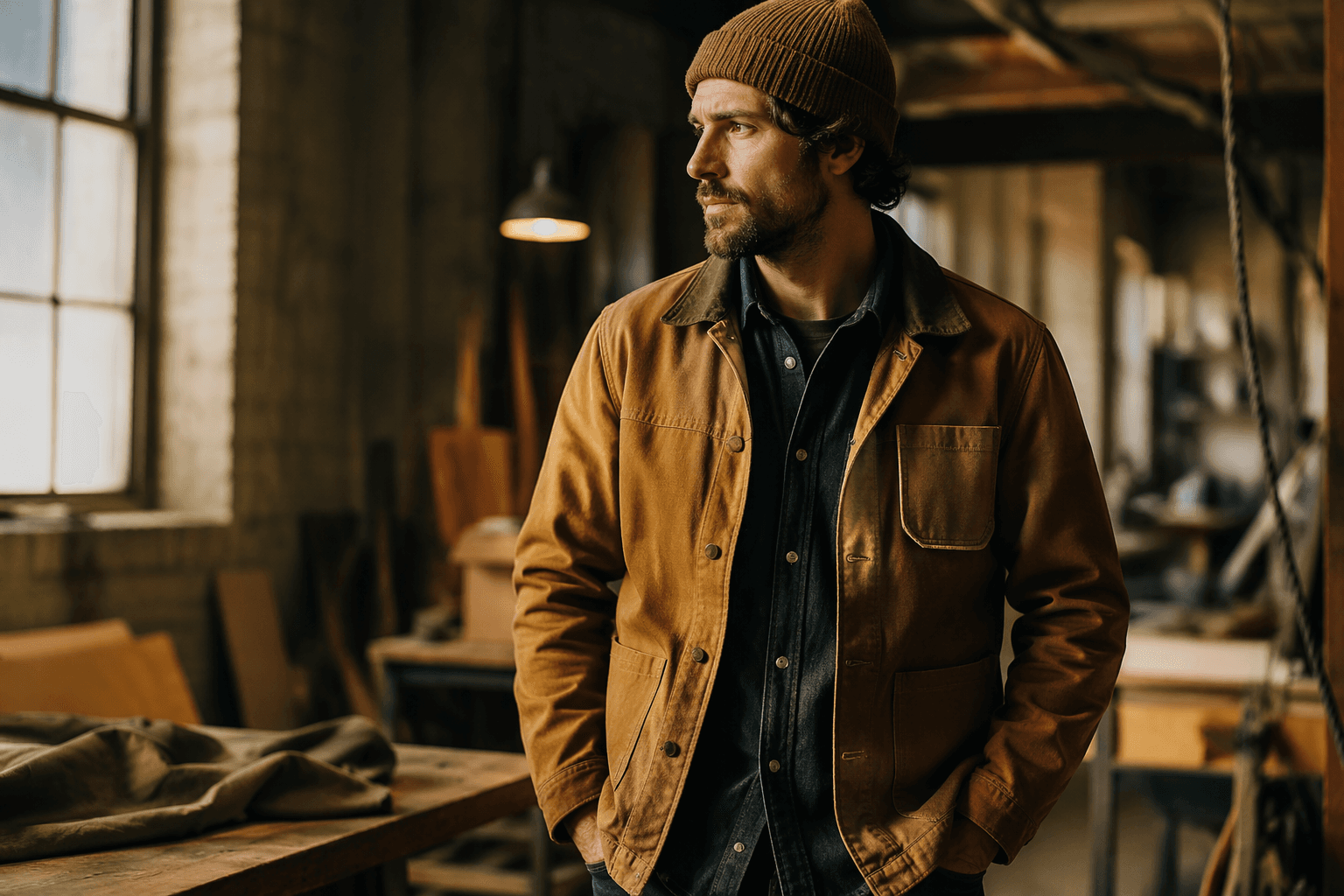
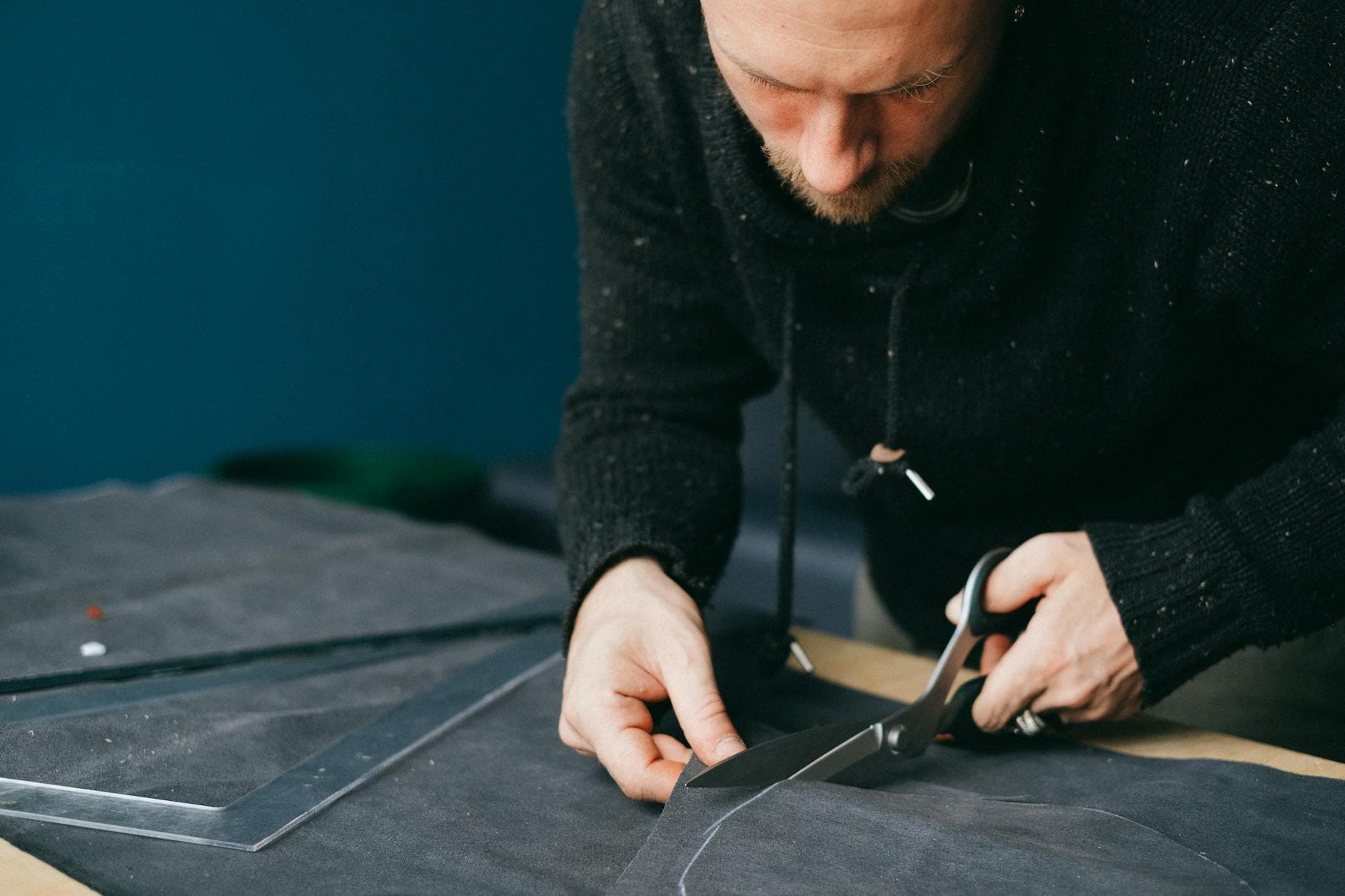
TATAMIZE is one of the rare labels that makes workwear feel honest again. Founded in Sendai City, Miyagi Prefecture in 2004, the brand was built around Tsukasa Yaehata doing the whole job himself, from design and patterning to cutting, sewing, finishing, and even delivery. That matters because it shifts the conversation away from fashion-led workwear styling and back to the original point of the category: clothes that can actually handle use.
The brand’s appeal is not nostalgia for apron pockets and sturdy collars. It is the discipline of production. TATAMIZE says it does not want to make things quickly or in large quantities, but instead wants to create what it truly wants “within a manageable range.” That restraint is the whole thesis. In a market crowded with chore coats that look rugged but live softly, TATAMIZE stands out by making the labor visible.
What makes TATAMIZE different
A one-person atelier, not a factory-first label
The clearest thing to understand about TATAMIZE is that it still treats clothing as something made, not merely developed. Yaehata handles the work himself in-house, which gives the brand a level of continuity that is increasingly rare in contemporary menswear and womenswear-adjacent utility dressing. The same person shaping the idea is also shaping the pattern, the cut, and the finish.
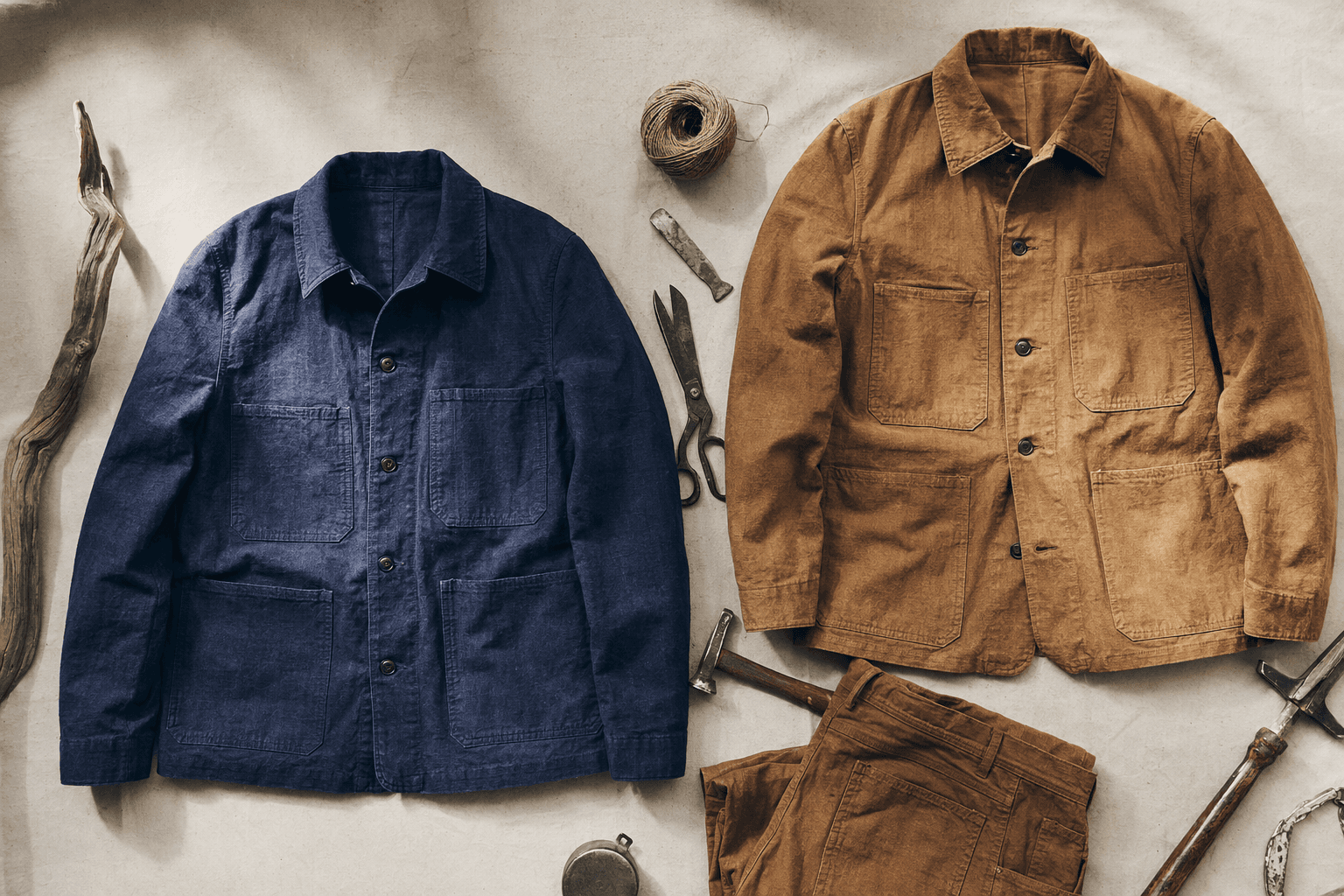
That process gives the garments a different kind of authority. A chore coat from a fashion house may borrow the silhouette of utility, but if the construction is optimized for speed and scale, the clothes read as costume. TATAMIZE’s clothes read as tools. They are stripped down to essentials, and that restraint keeps the line from drifting into decorative workwear, where the pockets are loud but the garment itself has little backbone.
From factory production to handmade again
TATAMIZE did not always work this way. In 2010, the brand shifted to factory production and supported sales through twice-yearly exhibitions, building a stockist network across Asia, Europe, and Japan. That phase gave the label reach, but the brand returned in 2020 to its original all-handmade production model.
That turn back is not a romantic gesture. It is a business decision as much as a design one. By moving to order-based production, TATAMIZE reduces the pressure to overproduce and keeps the line closer to what the designer actually wants to make. In the current fashion cycle, where workwear aesthetics are often borrowed faster than they can be worn in, this slower system is the real luxury. It means fewer pieces, greater intention, and a stronger link between design and use.
How the clothes should be read
Built for hard use, not for the idea of labor
The best way to approach TATAMIZE is to stop thinking about “utility” as a look. Utility here is not a trend badge. It is the reason the clothes exist. Highsnobiety described the brand as having a radical idea: create beautiful workwear you can actually work in. That is the right lens, because it explains why the brand’s stripped-back silhouettes matter more than any surface-level ruggedness.
You can see the difference in the production model itself. A label making workwear for the image often leans on rough textures, vintage references, and exaggerated hardware. TATAMIZE’s credibility comes from the fact that the garments are made through a process built for care and control. When one person is handling design, sourcing, cutting, sewing, finishing, and delivery, the result is not mass-market utility cosplay. It is workwear with an interior logic.
Order-made changes the way the clothes feel
The move to mainly order-made production also changes the relationship between garment and wearer. Clothes made ahead of demand often chase volume first and fit second. Order-based production allows TATAMIZE to keep its output close to the pace of actual making, which in turn keeps the clothes aligned with the brand’s idea of a manageable range.
For the reader, that means the right TATAMIZE piece is less about seasonal churn and more about getting the proportion and purpose right. This is the kind of workwear that rewards patience: the cut is not trying to scream, the construction is not trying to look artisanal for its own sake, and the overall effect is calmer than trend-driven utility dressing. It is the difference between something that photographs well and something that feels right when worn repeatedly.
Why the details matter now
The direct store keeps the archive alive
TATAMIZE also operates a direct store in Sendai called NOWHERE ELSE, and that name fits the brand’s method. The store presents both new and past pieces on the same footing, which is an unusually sharp way to resist the churn of fashion seasons. In workwear, this matters because the best pieces do not become obsolete just because a new delivery landed. They earn longevity through shape, construction, and wear.
Keeping older pieces in the same conversation as the newest ones also reinforces the brand’s point of view. TATAMIZE is not trying to win with novelty. It is building a language of clothes that can return, endure, and still feel relevant because the underlying premise has not changed. The garment is still the thing, not the marketing around it.
Why this is the workwear story to pay attention to
The larger lesson here is simple: authenticity in workwear is not a mood, it is a production model. TATAMIZE proves that when design, patterning, cutting, sewing, finishing, and delivery sit with one person, the clothes gain a level of coherence that bigger labels rarely achieve. The result is not louder workwear. It is better workwear.
For anyone looking at the current field of chore coats, overshirts, and utility trousers, that distinction is everything. TATAMIZE does not chase the visual shorthand of labor. It builds from the inside out, and that is why it reads as a real authority. In a category full of borrowed toughness, the brand’s handmade discipline is the detail that gives the clothes their edge.
This article was produced by Prism’s automated news system from verified source data, official records, and press releases, then run through automated quality and moderation checks before publishing. The system is built and supervised by the people who set the standards it runs under. Read our full AI policy.
Did this article answer your question?