Spring 2026 Denim Trends Redefine Workwear With Embellishment and Edge
Spring 2026 denim is getting louder in wash and embellishment, but only the wide-leg utility shapes and cleaner relaxed fits truly earn their workwear keep.
The workwear filter
Spring 2026 denim is not just shifting shape, it is changing attitude. The runway story is clear: jeans are moving beyond standard indigo into more fashion-forward silhouettes, but the pairs that matter for workwear still need weight, structure, and a reason to exist outside a flashbulb. Denim is being treated as a “moving canvas,” which sounds artistic until you see how practical that can be when a jacket actually needs to hold up, a leg opening needs to fit over a boot, and a wash needs to look better the second month than it did on day one.
The smartest way to read the season is through utility. Some of these jeans are pure fashion-week theater, built for embroidery, drama, and close-up shots. Others are doing real work, quietly updating the kinds of silhouettes people will actually wear to commute, layer, bend, and repeat. That split is the whole story, and it is why the strongest spring 2026 denim ideas feel less like novelty and more like a hard reset on everyday workwear basics. Cobalt blue’s 270 percent rise in market adoption makes the point even sharper: retailers are betting that denim can carry color, not just indigo.
Wide-leg denim is the clearest crossover
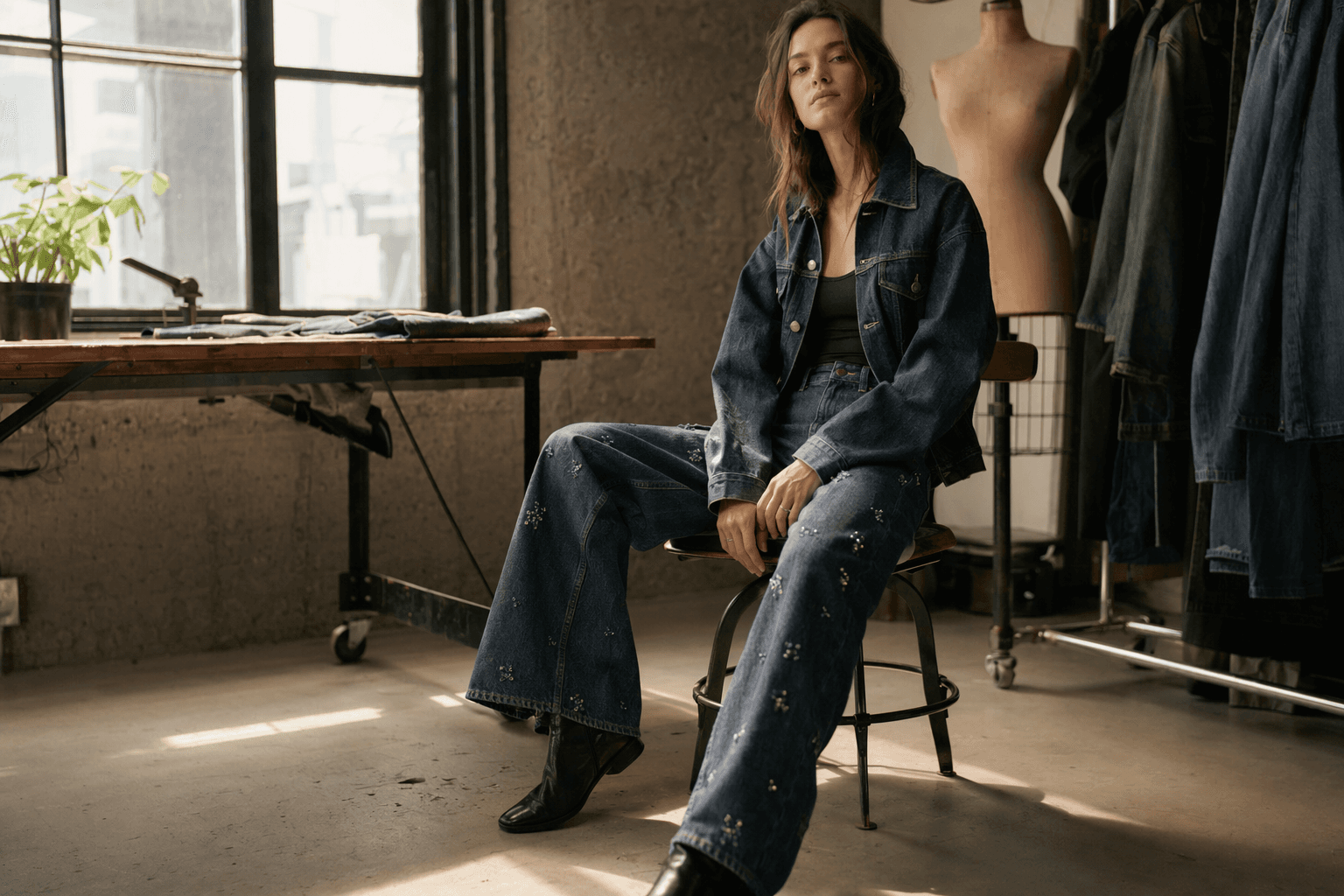
The most wearable direction is the one that looks the least like a stunt. Coach took denim and workwear materials into wide-leg trousers and fitted jean jackets, and that combination lands because it keeps the utility silhouette intact while loosening the old denim uniform. Wide-leg denim works in workwear when the leg has room to move, the rise feels grounded, and the fabric still looks substantial enough to take abrasion without collapsing.
This is the pair that makes sense with a chore coat, a boxy overshirt, or a cropped jacket, because it gives you space without looking sloppy. It is also the easiest runway idea to imagine on a real street, which is why it matters. The silhouette feels current, but it does not need embroidery or distressing to justify itself. For workwear, that is the gold standard: shape first, statement second.
Slim distressing still has a place, but it is a narrower lane
Brandon Maxwell leaned into long, slim fits, knee rips, distressing, and a drop-sleeve denim moto jacket, and this is where the runway gets more specific than practical. The long, lean line can work in utility dressing if the denim is tough and the distressing stays strategic, but the more it breaks down, the less it behaves like a reliable workhorse. Old-school rips have attitude; they do not always have longevity.
That said, the slim direction is not dead. It just needs discipline. A cleaner slim leg in a darker wash can still read sharp with boots or a work jacket, while a knee rip turns the whole look into something more fashion-led than function-led. If your day involves kneeling, carrying, or anything remotely hard on clothes, the difference between a controlled fade and a blown-out knee is not subtle. One is style; the other is damage pretending to be style.
Embellishment is the loudest story, and the least useful one
Alice + Olivia pushed the season’s decorative side hardest. Stacey Bendet said the collection began with a photo of her mother in bell-bottom jeans under a wedding gown, and she tied the embroidery and embellishment to AI tools that can quickly turn images into embroidery designs. That is exactly the kind of concept that thrives on a runway and gets tricky in real life. It is clever, fast, and visually loaded, but it also moves denim away from durability and into display mode.
That is where the workwear filter gets ruthless. Embroidery adds surface drama, but it also adds fragility, weight, and care requirements. If denim is supposed to earn its keep, the best embellishment is the kind that stays out of the way of the garment’s structure, not the kind that turns the whole piece into a showroom object. This is why silver hardware at L’Agence feels more useful than full surface decoration. Hardware adds attitude without destroying the jeans’ ability to do their job.
The everyday silhouettes are still the backbone
L’Agence gave the most complete read on how denim can stay commercial while still feeling directional, with ripped boyfriend jeans, skinny, straight, and relaxed silhouettes all in the mix. That range matters because it shows how spring 2026 denim is not moving in one direction. It is splintering into a few clear lanes, and the most practical ones are the straight and relaxed fits. Those shapes keep the body moving, layer cleanly, and avoid the overworked look that can make trend jeans feel dated too fast.
Boyfriend jeans still have a role too, but only when they keep enough shape to avoid collapsing into slouch. The ripped versions add some edge, though they land best when the rip placement looks considered rather than random. Straight and relaxed denim, by contrast, are the safest bets for workwear because they can take hardware, heavier tops, and tougher styling without fighting the rest of the outfit. If you want the denim that can move from the shop floor to dinner without changing its personality, this is it.
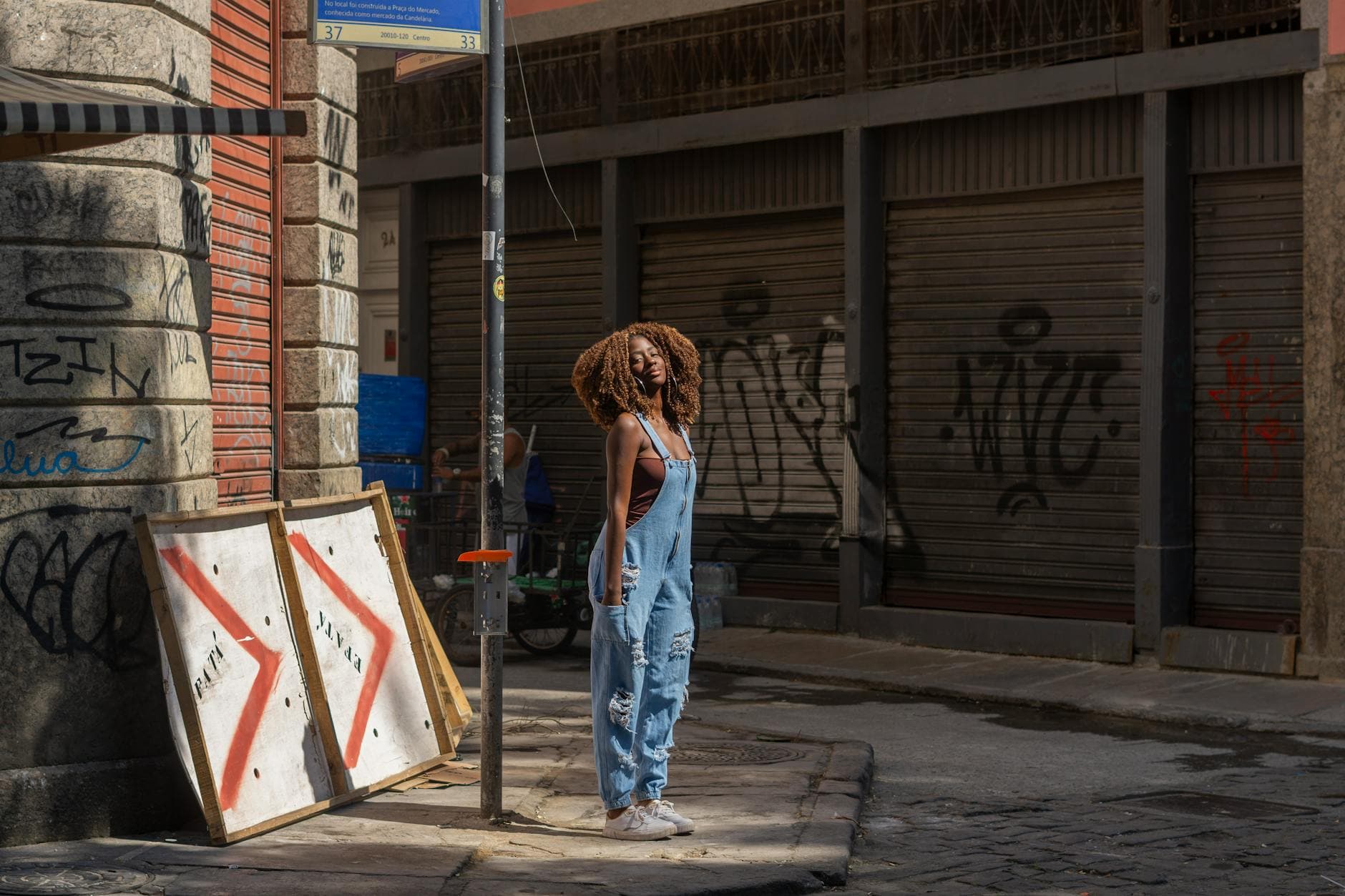
Western, travel, and color are shaping the mood
The broader forecast from Kingpins Amsterdam adds the context that explains why denim feels both nostalgic and restless at once. Denim Dudes’ Shannon Reddy said Spring/Summer 2026 is being shaped by travel, patriotism, and sports, with layered destruction, jeanswear, workwear, and subverted Western references. She also pointed out that rodeo and Western wear have been sticking around for years, which is exactly why they keep resurfacing with new energy instead of fading out.
Trendalytics’ Kendall Becker sharpened the geography of the season by splitting the runway mood between cities. New York and London leaned grungier on denim, while Paris and Milan moved toward more relaxed tailoring. That difference matters for workwear because it tells you where the rougher jeans live and where the cleaner, softer versions gain ground. The transatlantic picture is less unified than usual, which is good news if you want denim that can either look beat-up and urban or calm and tailored depending on how you style it.
What actually crosses into workwear
The pieces that cross best are the ones that respect denim’s original job. Wide-leg trousers, fitted jean jackets, straight and relaxed jeans, and even some of the long slim fits can all make sense if the wash is grounded and the construction feels sturdy. Cobalt blue is the season’s biggest proof that denim is no longer locked into one shade of blue, but for workwear, color works best when the cut is already strong.
The styles that stay mostly on the runway are the heavily embroidered pairs, the more theatrical distressing, and the bell-bottom drama that needs a specific styling story to make sense. Those looks are fun, but they are not the backbone. Spring 2026 denim is at its best when it keeps one foot in utility and one foot in fashion, and the pairs that last will be the ones that still look good after the lights go down.
This article was produced by Prism’s automated news system from verified source data, official records, and press releases, then run through automated quality and moderation checks before publishing. The system is built and supervised by the people who set the standards it runs under. Read our full AI policy.
Did this article answer your question?