What business casual really means in 2026, from blazers to loafers
Business casual in 2026 is a five-piece code built on polish, not guesswork. The trick is looking credible without reading as corporate cosplay.
Business casual only looks vague until you strip it down to five pieces: a blazer, a button-up shirt, tailored bottoms, a cardigan or lightweight sweater, and leather shoes. That is the cleanest read from Who What Wear’s Retail Therapy with Bobby Schuessler, and it tracks with the way offices actually work now, where the same outfit might need to survive a hybrid desk day, a client lunch, and a last-minute Zoom.
The blazer is the anchor
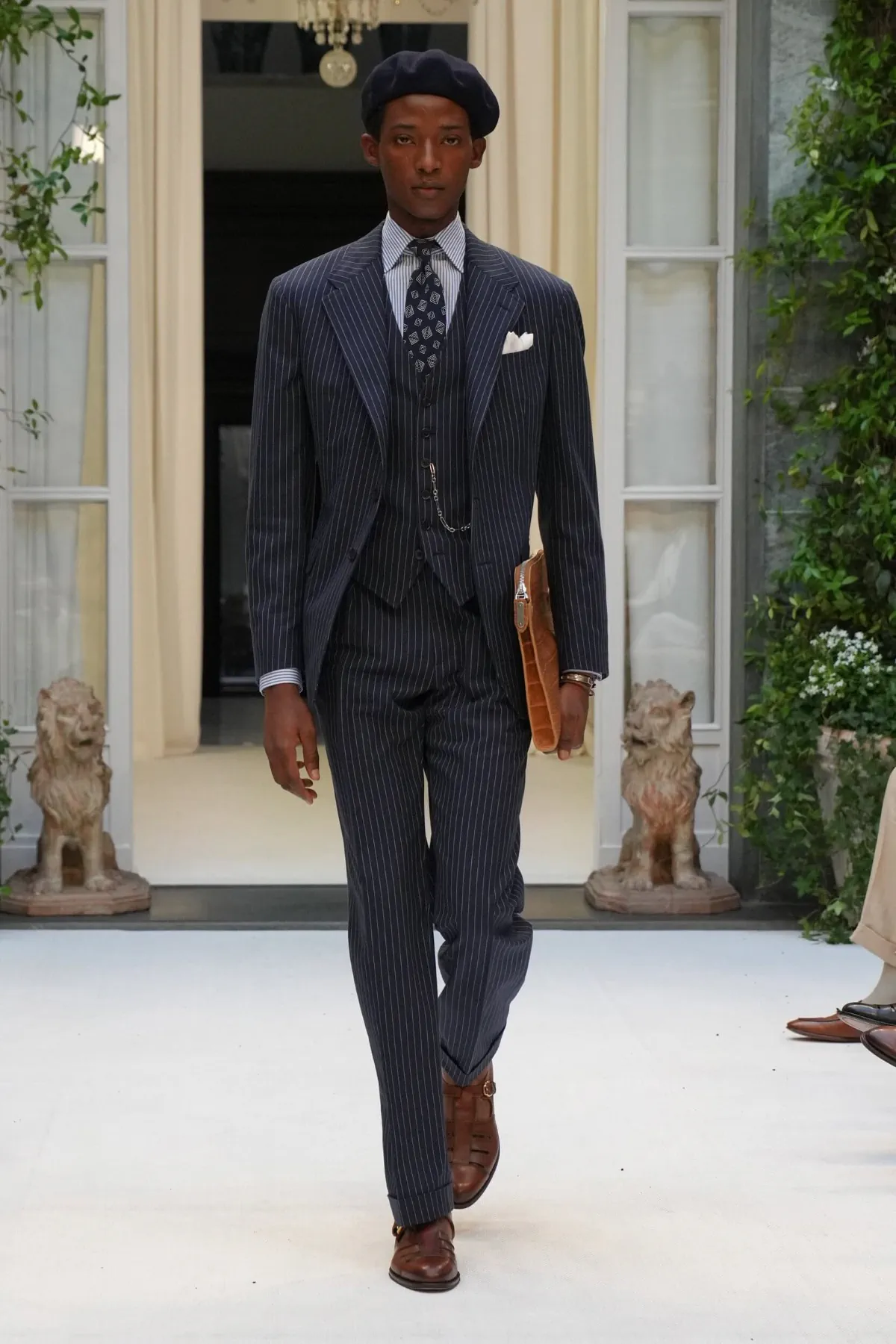
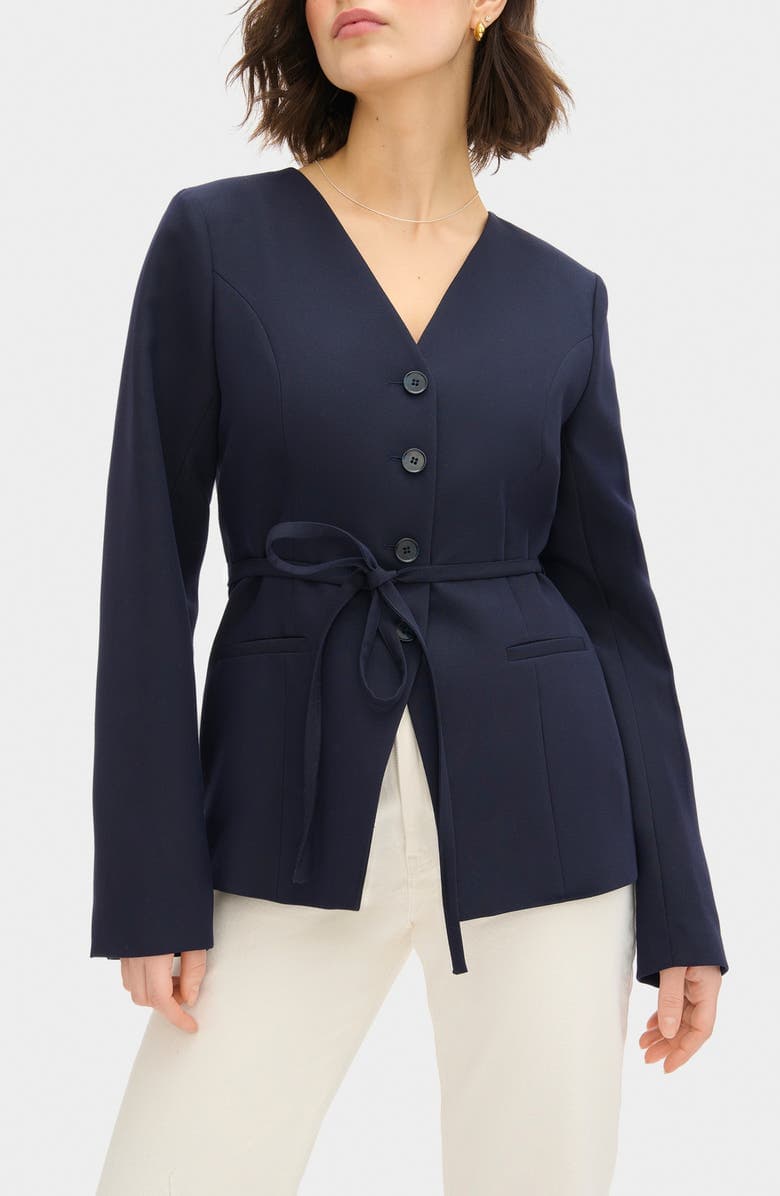
If one piece gives the whole uniform its spine, it is the blazer. This is the item that tells the room you understood the assignment, even if the rest of your outfit is relaxed. The modern move is an unstructured blazer in wool, cotton twill, or a soft suiting blend, something with shape in the shoulder but not the stiff boardroom energy that makes you look like you are lobbying for a corner office.
Wear it with a crisp shirt and trousers when the day has actual stakes. Or throw it over dark denim when the office is looser and you still need to look deliberate. The smartest swap from a dated version is fit: a blazer that skims the body, hits at the hip, and feels broken-in, not ceremonial, reads far more current than anything shiny or overly padded.
The button-up shirt does the quiet work
The button-up is the piece that keeps business casual from sliding into “nice top” territory. A poplin shirt in white or pale blue is still the safest bet, but the update for 2026 is texture and ease. Think crisp cotton, fluid Oxford cloth, or a silk-cotton blend that looks polished without getting precious.
If your closet already has one, use it. The trick is in the styling: keep it neatly tucked into trousers, let the cuffs peek out under a blazer, or leave the collar open and add a fine-gauge cardigan on top. A button-up with a slightly relaxed fit is more useful than a skin-tight one, especially in hybrid offices where you need to look composed but not sealed into a uniform.
Bottoms set the tone, not the mood
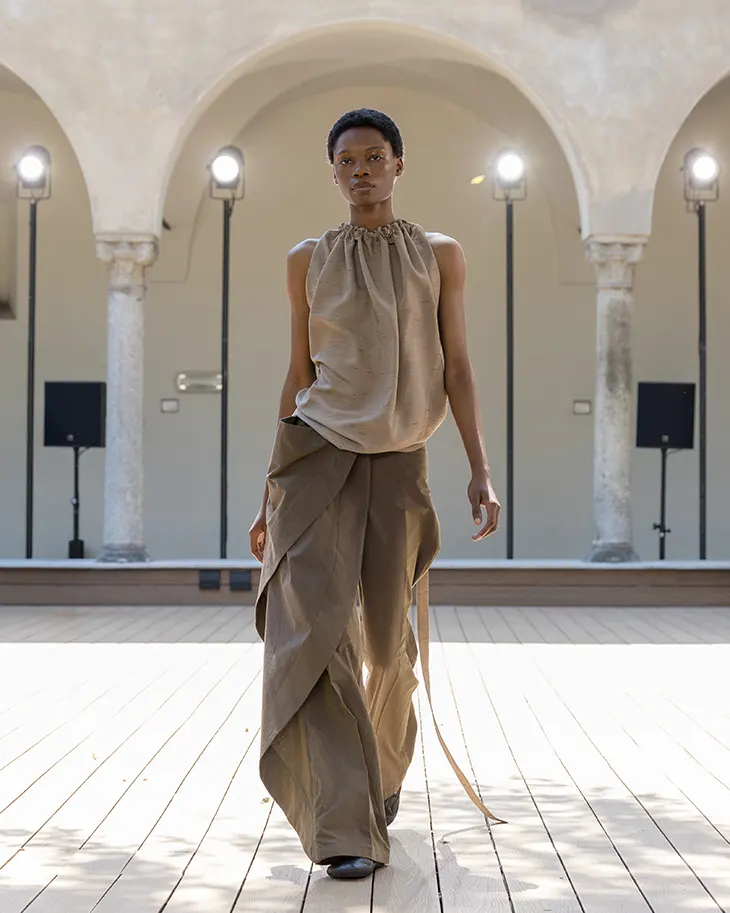
This is where business casual gets interpreted wildly, and where most people either overdo it or miss the mark completely. The accepted range is clear: trousers, dark-wash jeans, or a midi skirt. That gives you options, but the throughline is still polish. Dark denim needs to be clean, saturated, and free of distressing. Trousers should drape, not cling. A midi skirt should have enough structure to read office-credible, not brunch-only.
If you are recreating this from what you already own, go straight for the most refined version of each category you can find. Wide-leg trousers in wool or a wool blend are the easiest win. A dark jean works best when it looks almost like a trouser from a distance. A midi skirt in crepe, suiting fabric, or dense cotton can feel just as sharp if the hem is intentional and the waistband sits cleanly at the waist.
The cardigan is the softener
The cardigan or lightweight sweater is what makes the whole thing feel lived-in instead of costume-y. It is the piece that turns a strict uniform into something you can actually wear all day. In a modern office, this is your temperature-control layer, your laptop-meeting layer, your “the AC is frozen and I still need to look human” layer.
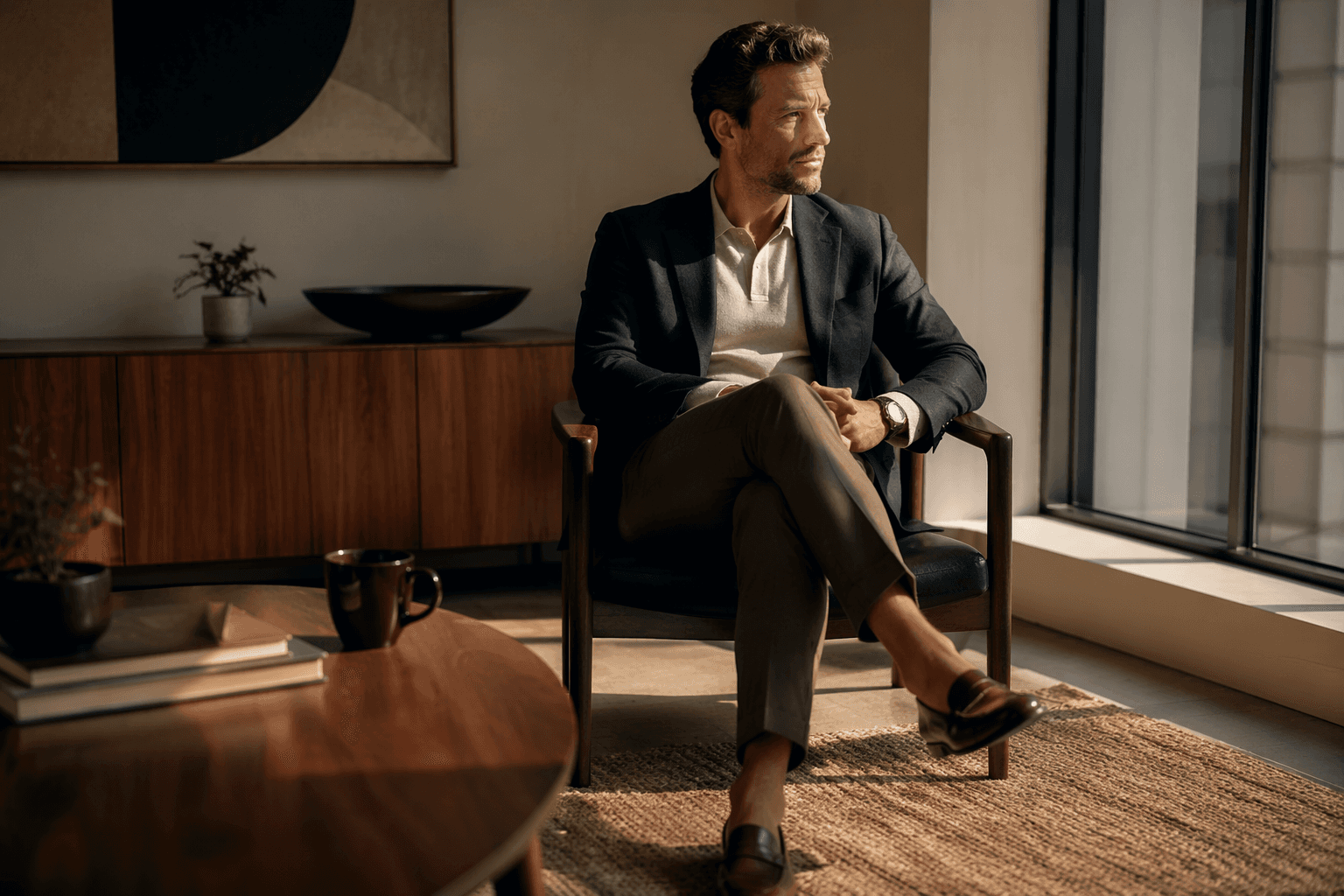
Choose fine knit over bulky. A merino cardigan, a lightweight cashmere blend, or a slim crewneck sweater gives you that polished softness without adding visual weight. Layer it over the button-up for a classic read, or wear it alone with trousers when the office is casual enough to tolerate a little less structure. The point is to look intentional, not like you grabbed the first thing near the conference room heater.
Leather shoes finish the sentence
The footwear call is where the code gets most specific. Loafers, flats, and low heels all sit inside the business-casual lane because they finish the outfit with a certain hardness and restraint. The leather does the heavy lifting here, whether it is smooth, brushed, or slightly polished. It gives the outfit gravity.
This is also where the Who What Wear breakdown draws a hard line: sneakers are not part of a traditional business-casual uniform, even if they can work in more casual offices. That distinction matters. In a room where the dress code is vague, sneakers can pull the whole look too far into off-duty territory. If you want comfort without losing credibility, think sleek loafers with a flexible sole, a pointed flat, or a low block heel that can handle a full day without looking precious.
Why this dress code still matters
Business casual is not just a style category, it is a credibility test. A 2023 Journal of Business Ethics study found that casual attire was perceived as less ethical than business casual attire in both studies, and that attire appropriateness shaped how ethical people seemed. In other words, the clothes do not just signal taste, they shape how trustworthy and context-aware you appear.
That pressure is why the dress code keeps surviving every supposed wardrobe revolution. Inc. traced the rise of casual business attire to Silicon Valley before it spread nationwide, and reported that 95% of U.S. companies had some sort of casual-day policy by 1999, up from 24% in 1992. Then the pendulum swung back in 2001 as the economy cooled. Business casual has always been a compromise, never a free-for-all.
It also has to work for more than one body, identity, and working style. SHRM has stressed that dress codes should protect gender identity and expression, accommodate cultural and religious attire, and consider neurodivergent employees. That matters because a good office uniform is not only about looking polished. It is about making room for people to show up comfortably and still be taken seriously.
How to read the room in 2026
The sharpest way to think about business casual now is not as a formula, but as a range with a center of gravity. An APA resource points out that clothing shapes first impressions, which is exactly why this code still carries weight in job searches, client-facing roles, and return-to-office settings. Meanwhile, a 2023 Forbes report on Adzuna’s analysis of more than 27 million job postings found that 56.8% specified casual attire, with customer service, IT, and accounting/finance among the most casual industries.
That is the paradox of the moment: more workplaces say “casual,” but more people still need to decode what polished actually means. The five-piece capsule gives you the answer without making you look like you are trying too hard. Build from the blazer, anchor with the shirt, choose bottoms that feel deliberate, soften it with knitwear, and finish with leather shoes. That is business casual now, a uniform for offices that want flexibility but still expect you to look like you know exactly where you are.
This article was produced by Prism’s automated news system from verified source data, official records, and press releases, then run through automated quality and moderation checks before publishing. The system is built and supervised by the people who set the standards it runs under. Read our full AI policy.
Know something we missed? Have a correction or additional information?
Submit a Tip