3D printing advocates warn anti-gun bills could ensnare hobby printers
A new advocacy site says bills in Washington, Minnesota and Congress could turn ordinary printers, slicers and CAD workflows into compliance targets.
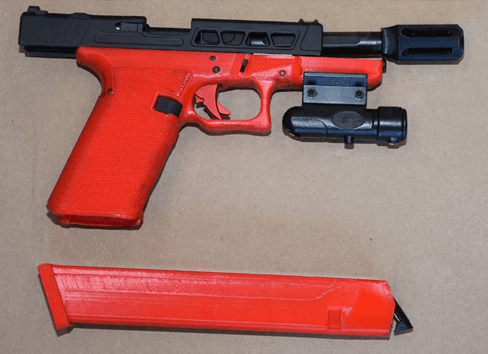
A new advocacy site is warning that bills written to stop ghost guns could spill into the everyday world of desktop fabrication, where printers are used for cosplay props, RC parts and quick household repairs. Stop the 3D Printing Ban 2026 says proposals in Washington, Minnesota and Congress could pull ordinary 3D printers, open-source tools and slicer workflows into a broader compliance regime, even though most consumer machines are just general-purpose motion systems running GCODE.
Washington’s HB 2320 is the sharpest flash point. The bill targets digital firearm files and could make some manufacturing codes illegal to possess. Christian Csar, who leads a Seattle nonprofit makerspace, said the language was too broad and worried his space might have to remove its 3D printers to avoid criminal liability, even if enforcement never reached a community workshop.
Minnesota’s HF3407 goes even further in defining what the state wants to restrict. It would prohibit the sale and possession of ghost guns, limit 3D printing of guns to federally licensed firearms manufacturers and bar distribution of 3D printer firearm design files. At the federal level, the 3D Printed Gun Safety Act of 2025 was introduced in Congress on June 25, 2025, and referred to the House Judiciary Committee, showing that the fight has moved well beyond one statehouse.
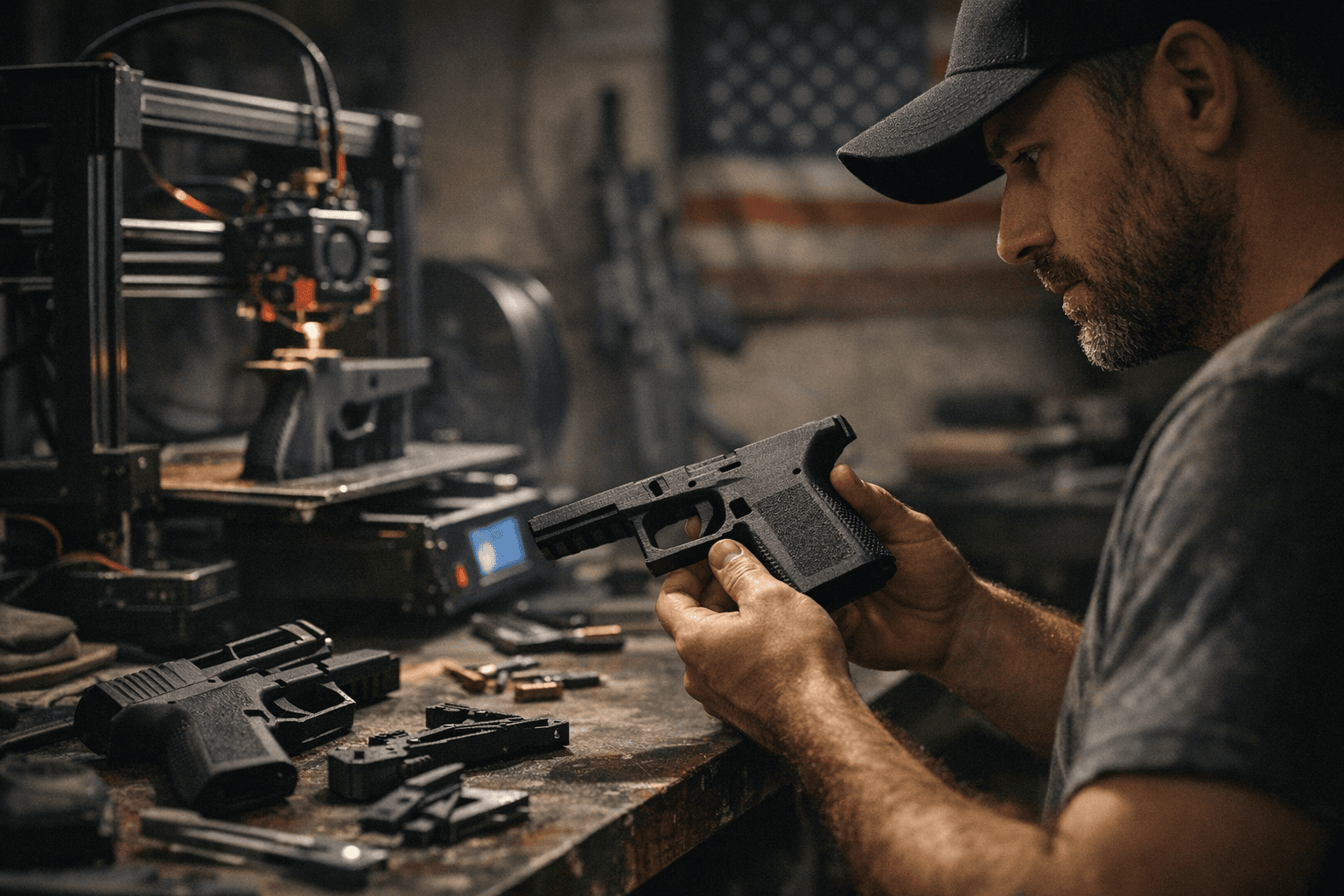
The concern from the 3D printing side is not just about weapon files. Once lawmakers start naming additive manufacturing directly, critics say the burden can shift from the finished object to the machines, software and file-sharing habits that surround them. That opens the door to recordkeeping, file screening, software restrictions and feature changes that were never part of a printer’s original design. For owners who print models, fixtures, tools and repairs at home, the fear is that a law aimed at a narrow criminal use could reach general-purpose printers and the open workflows that keep hobby shops, classrooms and makerspaces running.
The issue is no longer hypothetical in Washington. Everytown said HB 2320 answered the “growing threat” of untraceable, 3D-printed firearms and said the bill passed the legislature and headed to the governor’s desk in March 2026. With Washington, Minnesota and Congress all pressing ahead, the policy fight around ghost guns is becoming a real test of how much ordinary 3D printing lawmakers are willing to sweep into the net.
This article was produced by Prism’s automated news system from verified source data, official records, and press releases, then run through automated quality and moderation checks before publishing. The system is built and supervised by the people who set the standards it runs under. Read our full AI policy.
Did this article answer your question?