BMF launches BMFClear, optically transparent resin for micro 3D printing
BMF’s BMFClear pushed micro-printing past “clear” into true optical transparency, with more than 90% light transmittance and 10-to-50-micron layers.
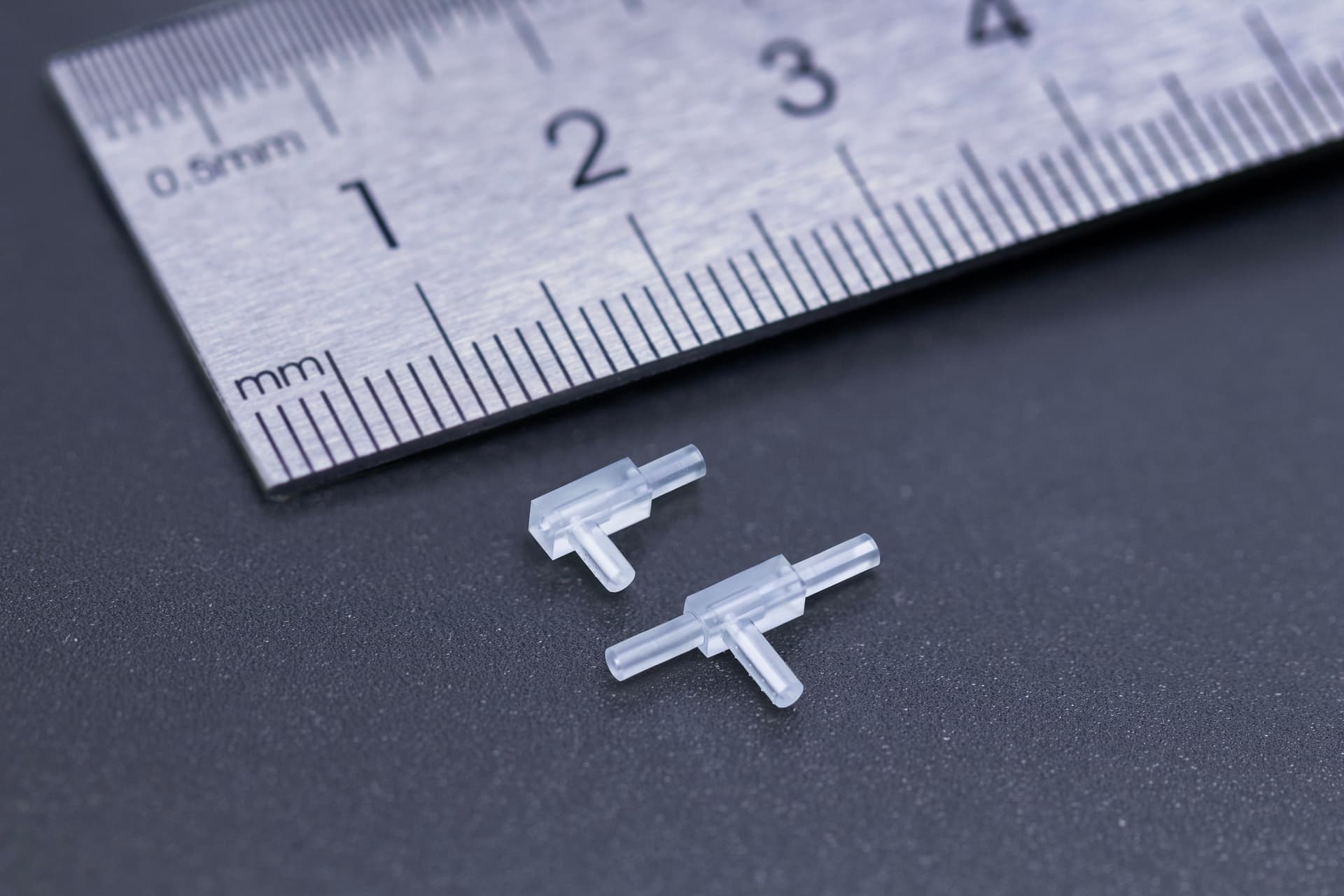
Boston Micro Fabrication said its new BMFClear resin finally tackles a problem that has hung over micro 3D printing for years: “clear” parts that still look cloudy, hazy, or only partly transparent at the microscopic scale. The company said the material delivers greater than 90% light transmittance and was built for applications where optical clarity matters as much as dimensional precision, including microfluidics, photonics, advanced optical components, and biomedical devices.
The launch, dated April 7, 2026, is aimed at the gap between prototype parts that merely pass light and production-grade microcomponents that need real transparency. BMF said BMFClear works on its Projection Micro Stereolithography platform, with supported layer heights between 10 and 50 microns. The company also said no mandatory post-processing is required, a notable point for users trying to move from proof-of-concept pieces to repeatable manufacturing runs without extra finishing steps.
BMF framed the resin as a direct answer to one of the longest-running limitations in the category: true optical transparency at the micro scale. That matters for parts such as freeform micro-lenses, which BMF said can be printed directly onto fiber optic tips, chip surfaces, and sensor arrays. In practical terms, that opens up a different class of jobs than the translucent “clear” resins familiar to many desktop users, where the part may look transparent in bulk but still scatter light, cloud edges, or fall short of optical use.

The company described BMFClear as biocompatible on its materials page and positioned it for medical and lab-adjacent use as well as optics work. BMF said its platform already has more than 600 systems installed at customer locations worldwide, a signal that this resin is arriving into an installed base that can test it on real parts rather than bench samples alone.
For the micro-3D-printing segment, the launch is less about novelty than capability. BMF is arguing that optical clarity has become the missing piece in a workflow that already handles micron-level accuracy. With BMFClear, the company is betting that microfabricated lenses, fluidic structures, and tiny display or sensor components can move closer to production without giving up the transparency they need to work.
This article was produced by Prism’s automated news system from verified source data, official records, and press releases, then run through automated quality and moderation checks before publishing. The system is built and supervised by the people who set the standards it runs under. Read our full AI policy.
Did this article answer your question?