South African Manufacturers Use 3D Printing for Complex Low-Volume Parts
3D printing is winning South African jobs with one-to-500-part runs, while CSIR’s new powder machine is cutting import dependence.
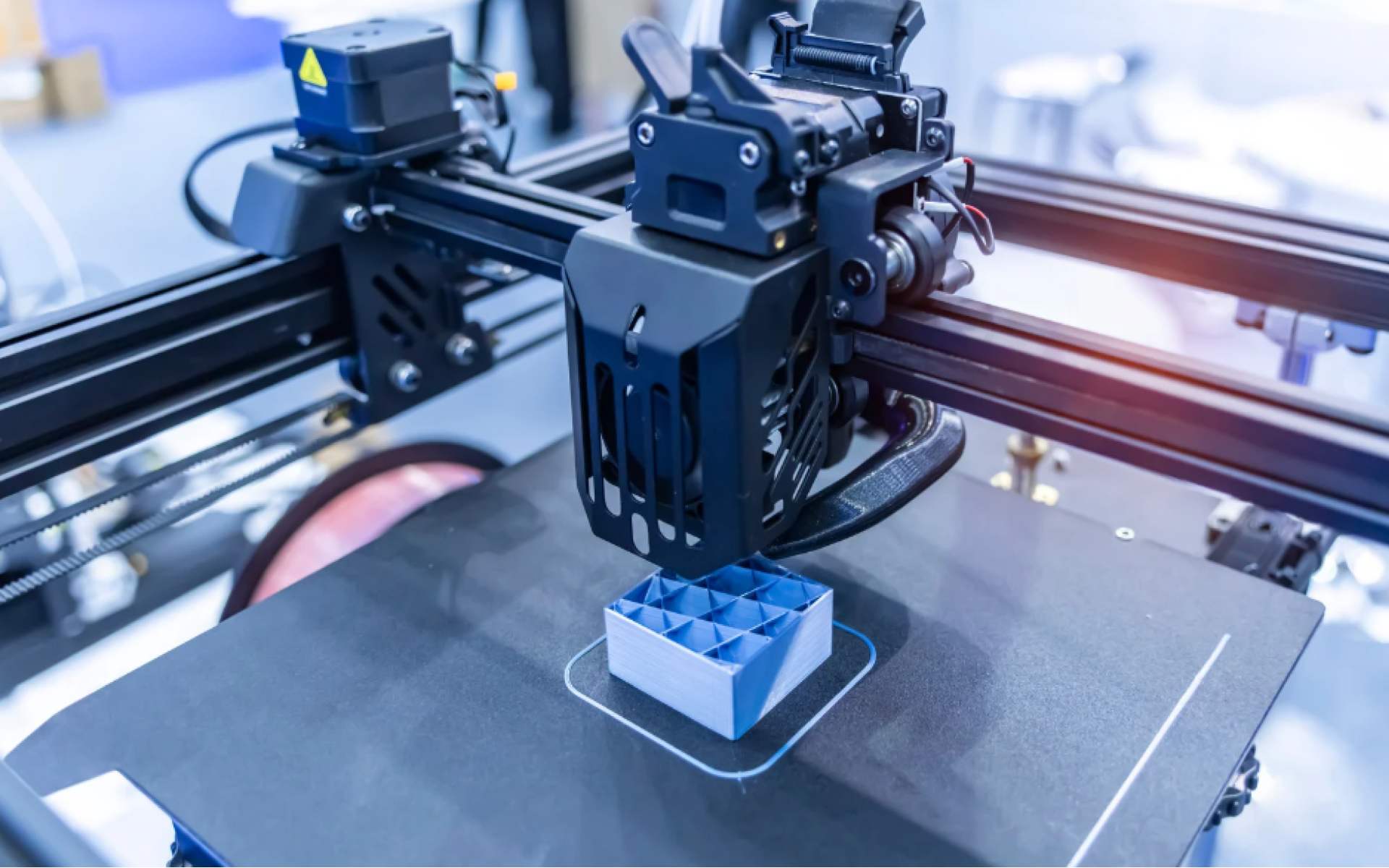
Small batches are where 3D printing is paying off fastest in South Africa. Aditiv Solutions CEO Marius Vermeulen says the typical customer needs only one to 500 components a month, a range where additive manufacturing can beat machining, molding or ordering imported parts on cost and speed, especially when tooling would be expensive.
That economics is pushing the technology beyond its old comfort zone in medical, aviation, space and defence. Vermeulen says demand is spreading into sports goods, industrial applications and mining, with local manufacturers turning to additive processes when parts are complex, hard to source or uneconomical to tool up for in low volumes.
The Council for Scientific and Industrial Research sees the same shift from another angle. CSIR says additive manufacturing is one of the key technologies for producing complex, high-value, low-volume parts with little material wastage. The organization has now successfully produced 316L stainless-steel powder using a newly commissioned ultrasonic atomiser machine, a step designed to ease South Africa’s dependence on imported powder of that quality.
The machine was co-funded by the National Research Foundation and the Department of Science, Technology and Innovation. CSIR researchers have already used the locally atomised powder to 3D print prototype tools for industrial use, while Metal Heart’s Gerrie Lombaard said the domestic powder matched internationally sourced material in oxygen content, density, particle size and morphology.
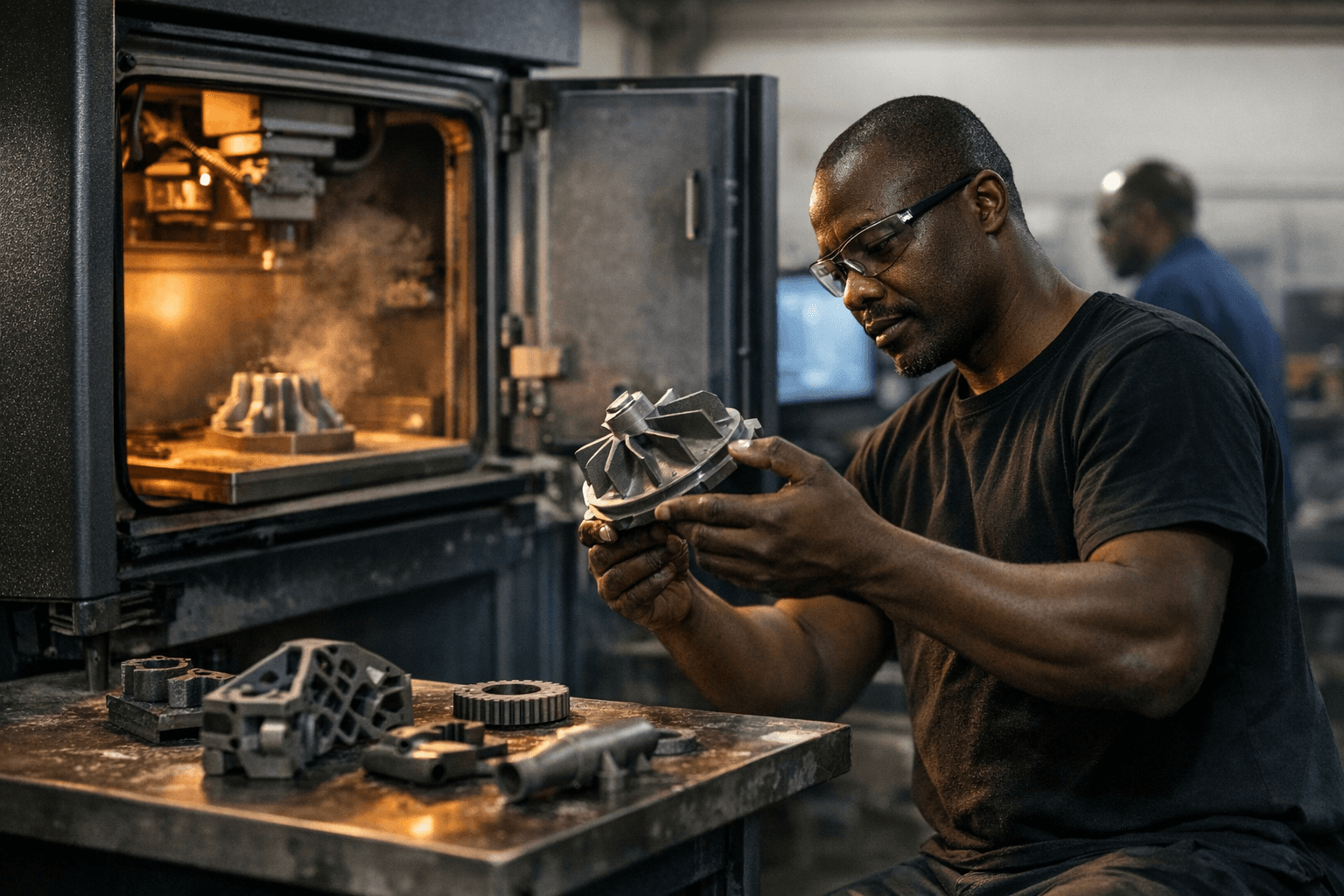
The commercial and research pieces are starting to reinforce each other. Aditiv Solutions’ locally developed Hyrax metal 3D printer was used by CSIR to print prototype tools, showing that local machine development and local powder production are beginning to support the same supply chain. For garage-scale makers, the lesson is familiar: once part complexity rises and quantities stay low, the printer on the bench can start to make more financial sense than a milling job, a mold or a long wait for an imported replacement.
South Africa has been building toward that point for years. CSIR says the Aeroswift programme began after a 2009 demonstration and was formally established in 2011 as a high-speed, large-area laser-based metal additive manufacturing platform. The project was publicly launched on 27 January 2012, with titanium additive manufacturing tied to the country’s broader titanium beneficiation strategy, aimed at moving from raw exports to higher-value finished goods.
That history gives today’s low-volume parts market a bigger meaning. The country is not just adopting 3D printing for convenience. It is building a local industrial stack around it, one that can handle complex parts, cut waste and keep more of the value chain at home.
This article was produced by Prism’s automated news system from verified source data, official records, and press releases, then run through automated quality and moderation checks before publishing. The system is built and supervised by the people who set the standards it runs under. Read our full AI policy.
Did this article answer your question?