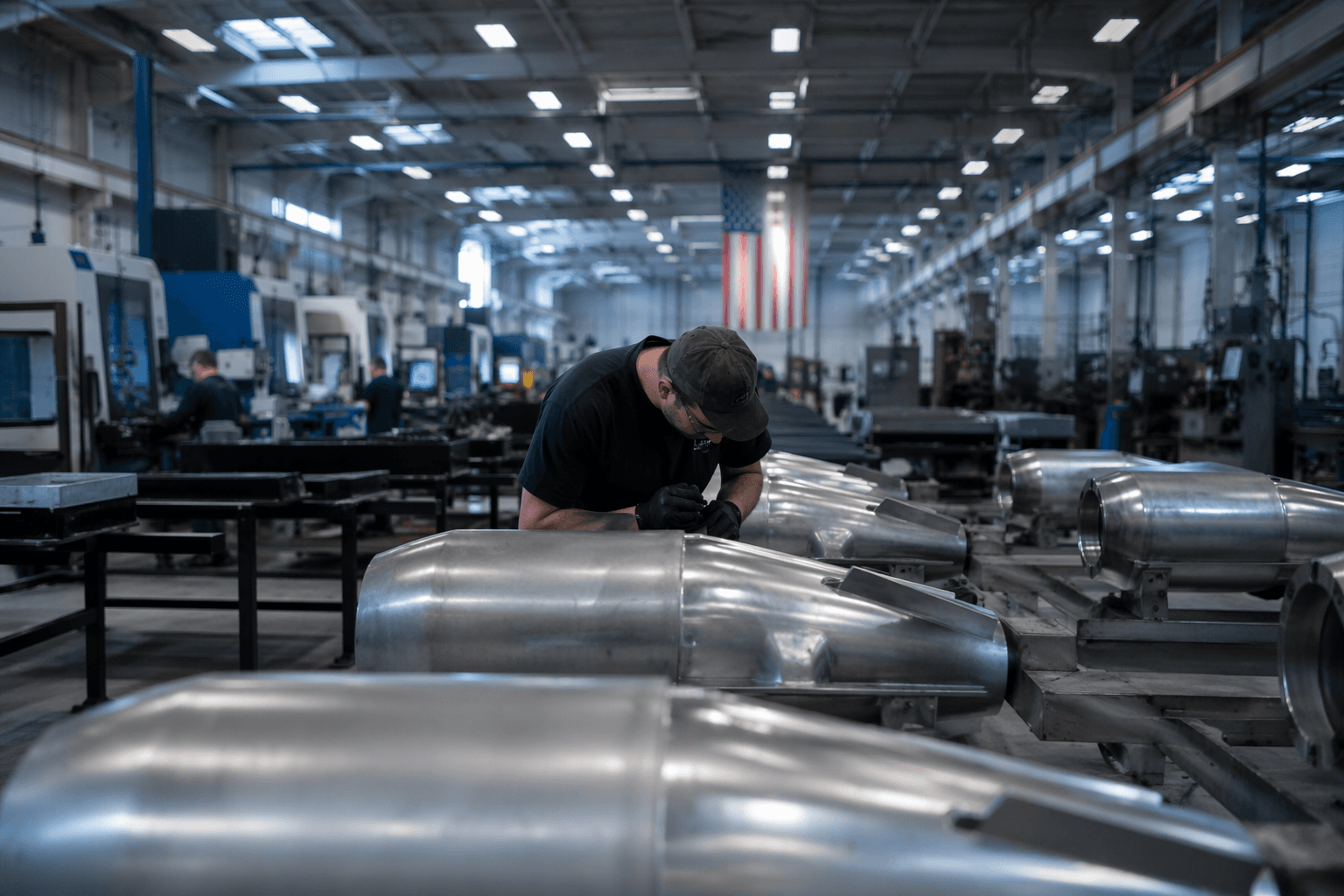
Agnikul Cosmos verifies repeatable 3D-printed rocket engine tests for orbital launch vehicle
Agnikul’s 77-second Agnite test run mattered because the pressure and temperature traces matched, proving a 3D-printed engine can behave the same way twice.
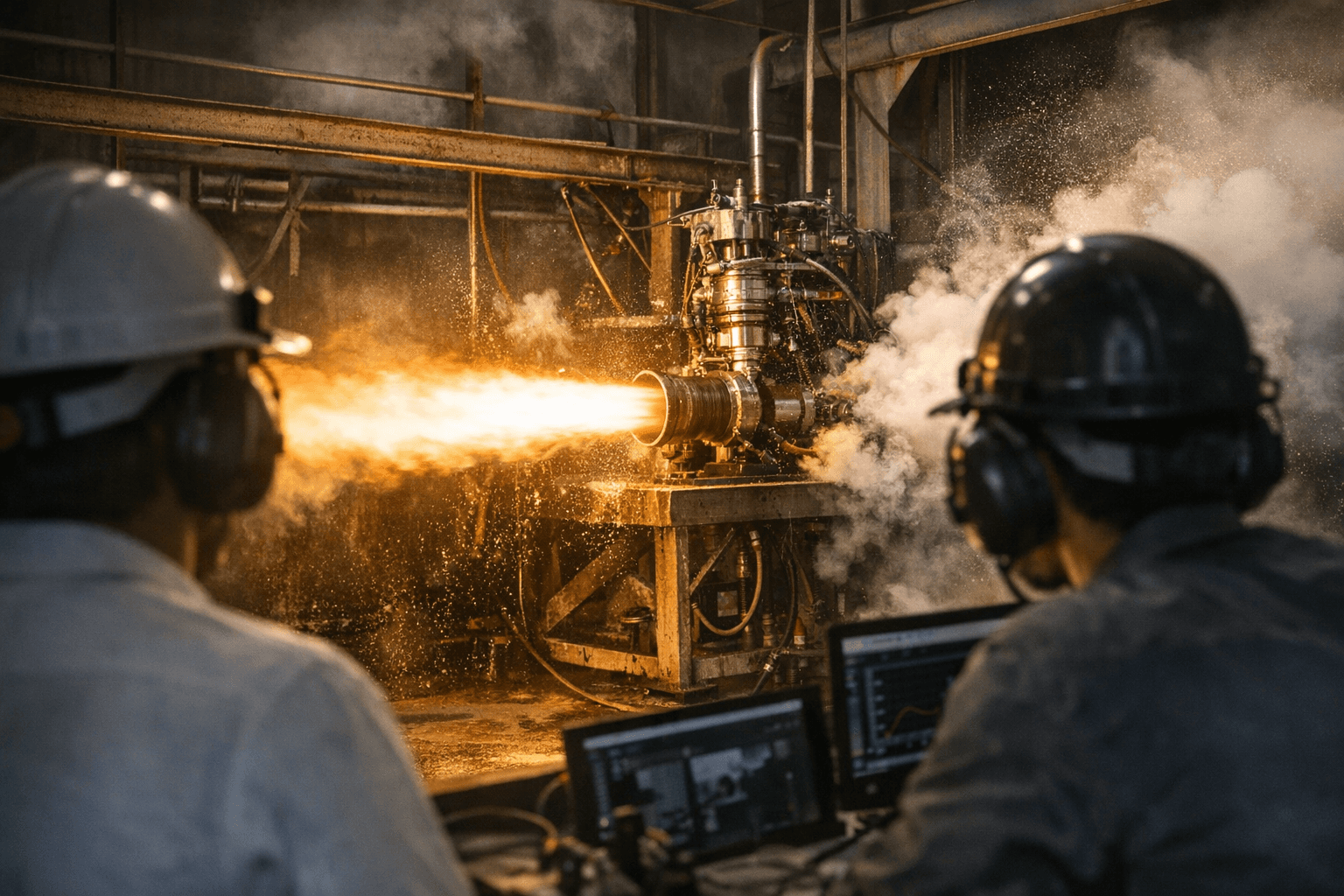
The milestone in Chennai was not that Agnikul Cosmos fired a 3D-printed rocket engine once. It was that the Agnite engine repeated itself. The company said its latest 77-second test sequence produced matching pressure and temperature plots across runs, the kind of consistency that turns an impressive demo into hardware you can trust for clustering engines and stage-level testing.
That matters because Agnite is not a lab curiosity. Agnikul describes the engine as a one-metre-long, semi-cryogenic, fully 3D-printed single-piece engine built from Inconel and driven by electric motor-powered pumps. It powers the booster stage of Agnibaan, the company’s orbital launch vehicle. Agnikul has said this architecture can cut engine manufacturing time from about seven months to seven days, while bringing production cost down to roughly one-tenth of traditional methods.
The repeatability work also carries the weight of the company’s earlier breakthrough. On May 30, 2024, at 7:15 a.m., Agnikul’s Agnibaan SOrTeD sub-orbital technology demonstrator lifted off from Sriharikota with what the Press Information Bureau and ISRO described as the world’s first rocket to fly with a single-piece 3D-printed engine. That launch was also described as India’s first private launch from ISRO’s spaceport and the first flight of a semi-cryogenic engine in the country.
Agnikul’s path to this point runs through the IIT Madras ecosystem and a long-standing working relationship with India’s space agency. ISRO said the company was founded in 2017 by Srinath Ravichandran, Moin SPM, and Prof. S. R. Chakravarthy, and that the Department of Space entered into a Framework MoU with Agnikul Cosmos on September 17, 2021. The agreement gave the startup access to ISRO facilities and expertise for launch-vehicle development and testing.
The next step is bigger than a single engine firing. ISRO has said Agnibaan’s first launch is intended to carry up to 100 kg to around 700 km altitude, while later Press Information Bureau coverage said the company is targeting dedicated launches for payloads of 30 to 300 kg with lead times of about two weeks. Agnikul has also built India’s first private launchpad and Mission Control Centre at Sriharikota, a sign that its 3D-printed hardware is moving into the far more demanding world of operational launch cadence, where repeatability is the real proof.
This article was produced by Prism’s automated news system from verified source data, official records, and press releases, then run through automated quality and moderation checks before publishing. The system is built and supervised by the people who set the standards it runs under. Read our full AI policy.
Did this article answer your question?