Lockheed Martin boosts venture fund to $1 billion, backs 3D Fortify and defense startups
Lockheed Martin doubled its venture capacity to $1 billion and kept leaning into additive manufacturing, a sign 3D printing is moving deeper into defense supply chains.

Lockheed Martin lifted the capacity of its venture fund from $400 million to $1 billion, its biggest increase since Lockheed Martin Ventures launched in 2007 with $100 million. The company said the new capital will be deployed over future periods to mature technologies for national security and move promising ideas from R&D into the Defense Industrial Base.
That matters well beyond Pentagon contracts. Lockheed Martin has already invested more than $500 million across more than 120 companies, and more than 60 of those portfolio firms have become suppliers and won more than $750 million in contracts. For anyone watching 3D printing, that is the real signal: additive manufacturing is no longer being treated like a lab curiosity, but as part of the machinery that keeps production lines, qualification work and supplier networks running.
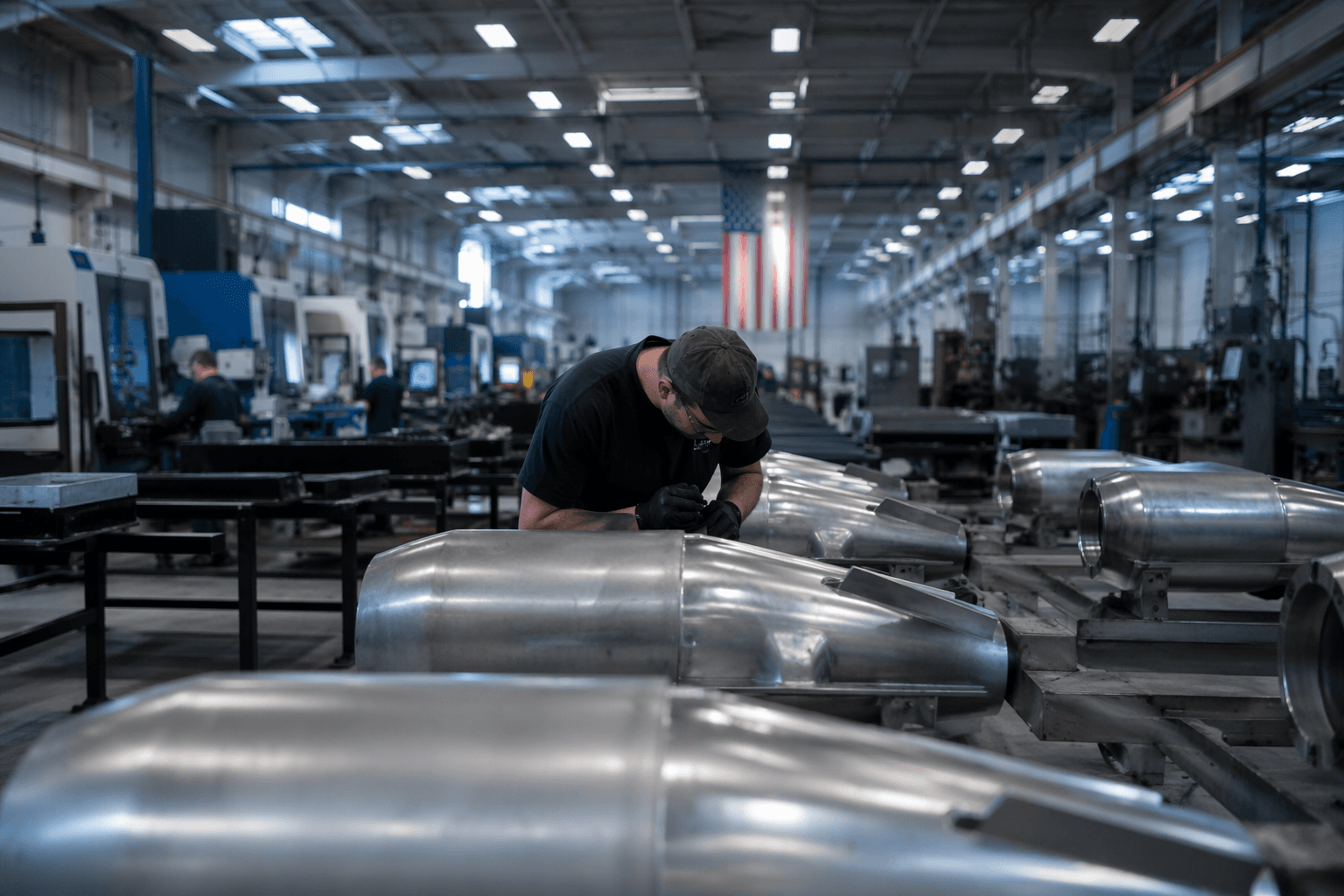
Lockheed Martin is backing that up with its own factory footprint. In 2024, it added 16,000 square feet of additive-manufacturing space at its Grand Prairie, Texas facility, including large-format, multi-laser machines, plus heat-treatment and inspection equipment. That is the kind of setup that turns printed parts from prototypes into production candidates, and it shows why composite printing, inspection and post-processing are becoming inseparable from the conversation.
Fortify is one of the clearest examples. Lockheed Martin Ventures and RTX Ventures backed the company in a $12.5 million round in 2023, after earlier support in 2022 and 2023 for its Digital Composite Manufacturing platform and Fluxprint magnetic 3D-printing technology. Fortify has said it focuses on lightweight, versatile composites for aerospace, and Lockheed Martin Ventures’ Chris Moran said the company could bring strategic advantage to the defense industrial base.
Senra Systems points to the same supply-chain logic from a different angle. The Redondo Beach, California company raised $25 million in Series A funding in June 2025 to automate and onshore wire-harness manufacturing, a notoriously bottleneck-prone part of aerospace production. Senra says its system quadruples production speed, which is exactly the sort of downstream gain defense buyers want when they are trying to shorten lead times and reduce fragility.
Lockheed Martin Ventures said it was investing across 14 key focus areas in 2024, including advanced manufacturing, materials, advanced electronics, propulsion, sensors and communications. The fund expansion now gives that strategy more room to scale, and the company plans to host its 9th annual Demo Day in August at headquarters in Bethesda, Maryland, after a recent event where 15 portfolio companies met with Lockheed Martin leaders and technical experts. For the 3D printing world, the takeaway is plain: the money is following the process, the process is getting industrial, and the parts that start in defense often end up shaping the tools and materials that trickle down to everyday printers.
This article was produced by Prism’s automated news system from verified source data, official records, and press releases, then run through automated quality and moderation checks before publishing. The system is built and supervised by the people who set the standards it runs under. Read our full AI policy.
Did this article answer your question?