Air Force rolls out 3D printed microvanes across C-17 fleet
A 3D-printed drag-reduction part just moved from a 10-aircraft trial to all 222 C-17s, with Air Force savings projected above $14 million a year.
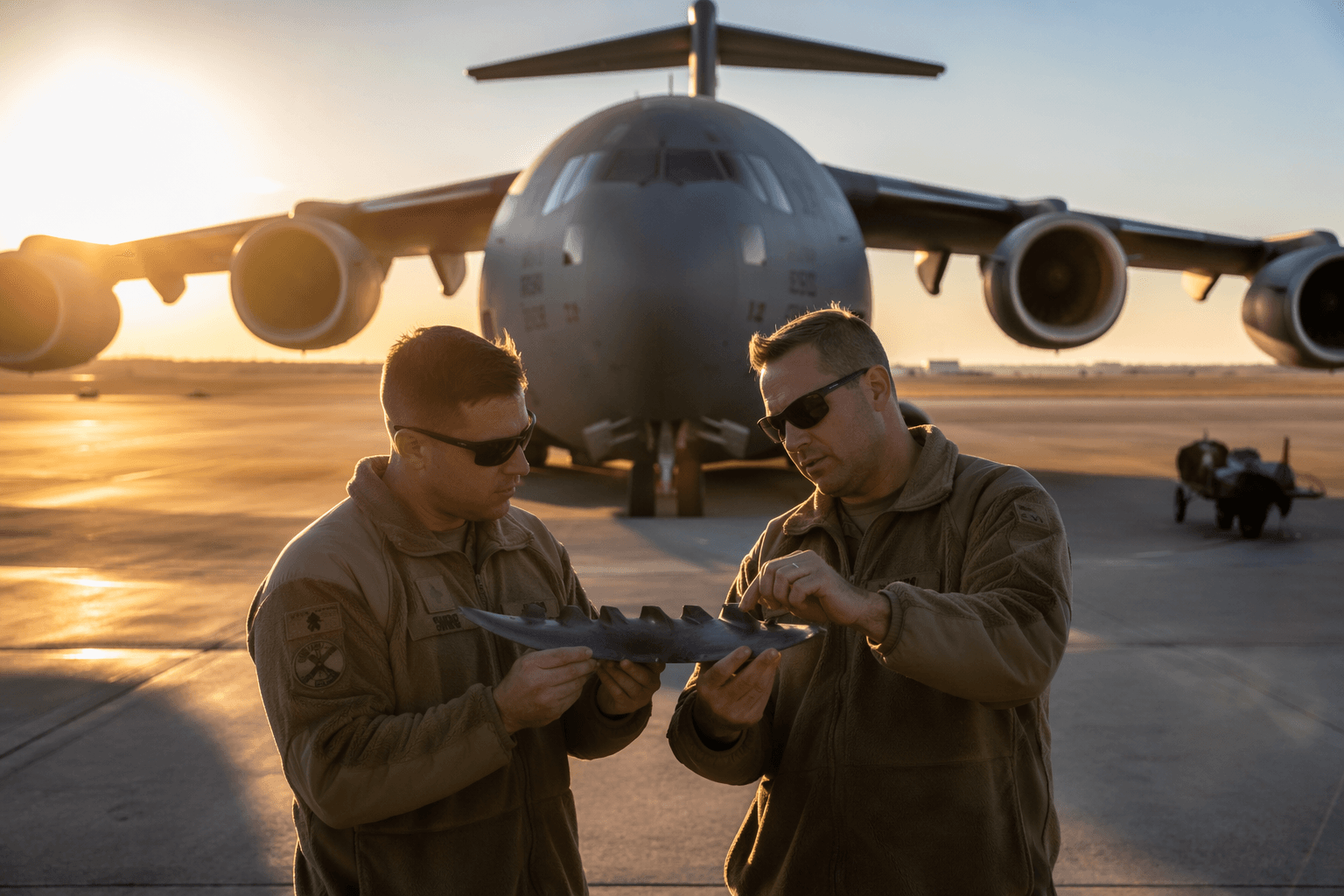
The Air Force has pushed a 3D-printed drag-reduction part past the point of curiosity and into fleet-wide use on operational C-17s. The microvanes, small blade-shaped inserts bonded to the rear fuselage, cut drag and fuel consumption by about 1 percent in testing, and officials said that scales to more than $14 million in annual savings across the fleet.
The rollout matters because it was not treated like a demo. The Air Force Lifecycle Management Center, Air Force Research Laboratory and Air Mobility Command put the devices on a limited number of C-17 Globemaster III cargo aircraft, with each jet carrying 12 microvanes measuring roughly 10 centimeters by 40 centimeters. The parts were then validated across 10 aircraft in hot, cold, dry and humid conditions to prove the adhesive bond and structural integrity would hold up in service.
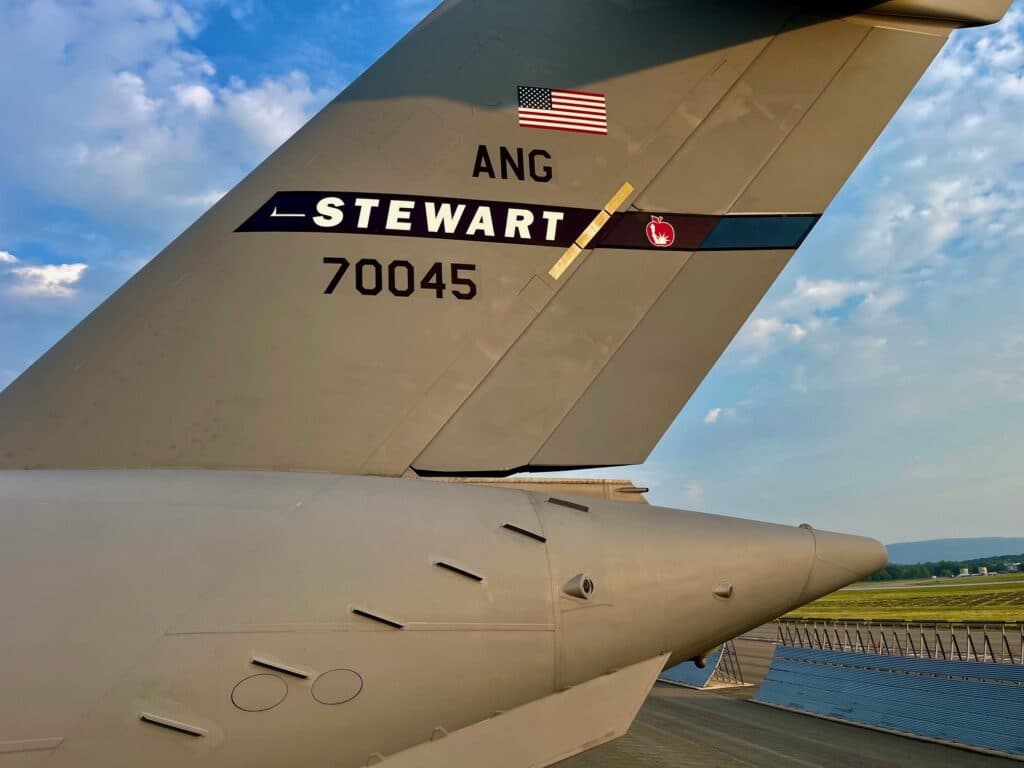
That testing phase fed directly into permanent use. After the final two aircraft were modified at Charleston Air Force Base in South Carolina, the six-month Logistics Service Assessment was set to begin. The aircraft used in testing kept their microvanes, making them the first permanent installation of the technology in the C-17 fleet, and that jet is assigned to Stewart Air National Guard Base in New York.
The program has been building for years. AFRL engineer Ed Clark said the lab first started working on microvane technology in 2014, and work to fit it to C-17s began in 2015. Earlier Air Force estimates said the modification could pay for itself in seven months and save more than $10 million a year, while a 2018 report from Dover Air Force Base said fleetwide installation could save up to 2 million gallons of fuel annually, or roughly $5 million to $7 million depending on fuel prices and mission profile.
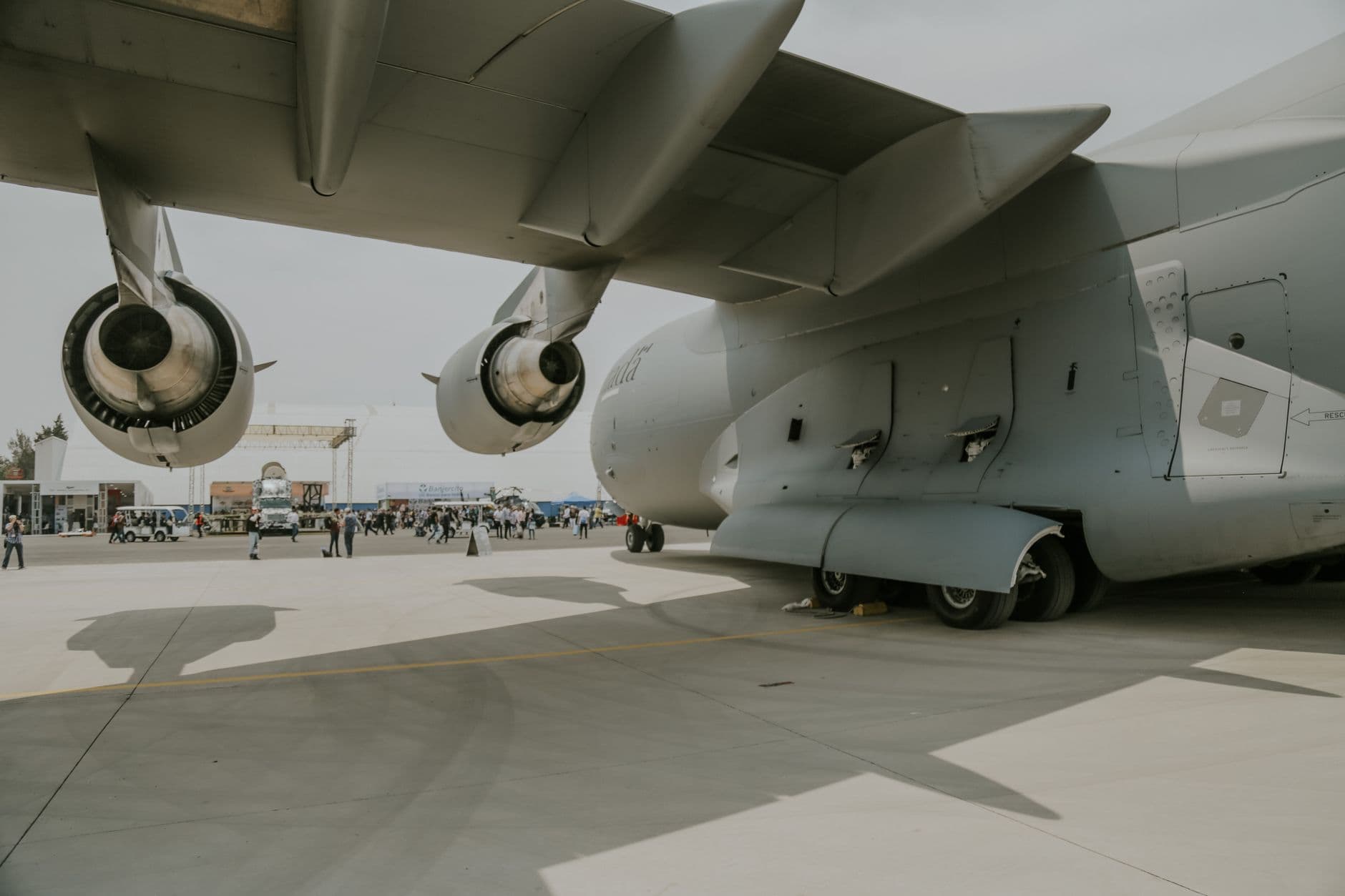
Roberto Guerrero, the deputy assistant secretary of the Air Force for operational energy, said the fins had passed the serviceability test and were headed for all 222 C-17s within the next year. The Air Force said the broader rollout would include Air National Guard and Air Force Reserve aircraft, and partner nations including Canada and the United Kingdom had already shown interest. The U.S. Army also approved the microvane concept for paratrooper airdrop operations in January 2025, a sign that a modest printed component has moved well beyond the prototype stage and into real operational use.
This article was produced by Prism’s automated news system from verified source data, official records, and press releases, then run through automated quality and moderation checks before publishing. The system is built and supervised by the people who set the standards it runs under. Read our full AI policy.
Know something we missed? Have a correction or additional information?
Submit a Tip