Havelar 3D prints Porto recycling office in nine days, on budget
A four-person crew printed a 500-square-meter office for Porto’s Ecocentro de Perafita in nine working days, and Havelar says it stayed on budget.
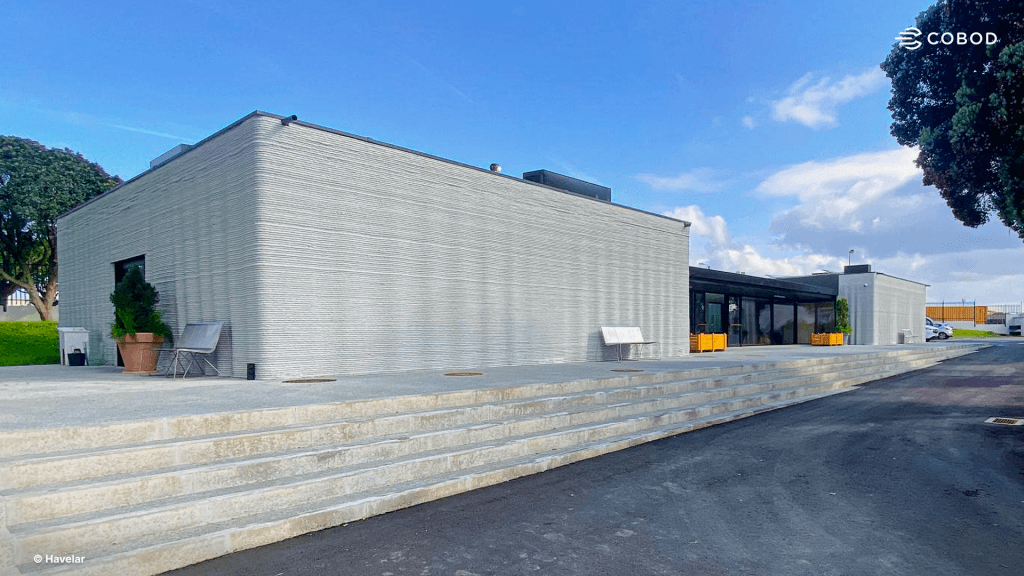
Havelar just did what construction 3D printing has spent years promising and rarely proving at public-works scale: it delivered a 500-square-meter recycling office in Porto in nine working days, with a four-person crew, and kept the job on budget. The building at Ecocentro de Perafita was framed as Portugal’s first public building printed in 3D, and that is the point that matters most here. Public clients do not buy novelty. They buy schedule control, labor savings and numbers that hold up when the invoices land.
The Perafita office makes its case in the details. Its curved concrete walls would have meant custom formwork, extra trades and more time in a conventional build. With additive construction, that geometry came straight from the digital model, stripping out one of the hidden cost drivers that usually punishes unusual shapes. Bárbara Rangel of the Faculty of Engineering of the University of Porto said 3D construction printing lets trades work in parallel, instead of waiting for walls or slabs to dry before electricians, tilers or carpenters come in. That kind of sequencing advantage is easy to overlook, but it is exactly where construction schedules are won or lost.
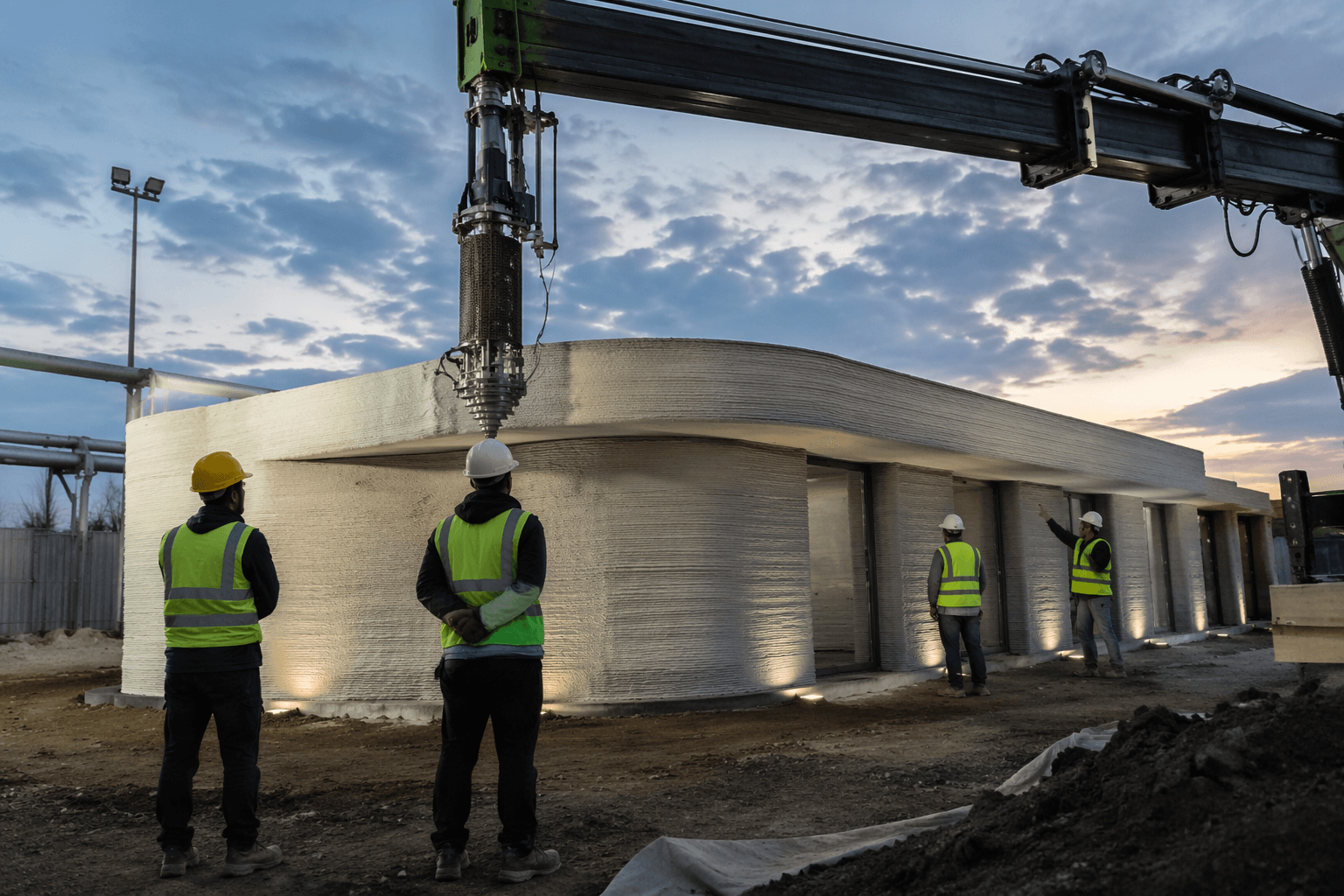
José Maria Ferreira, Havelar’s founder and chief executive, has been blunt about the pitch: the method can cut time, people and materials to about a third of what conventional construction demands. Havelar is based in Vilar do Pinheiro, near Porto, and it has already moved beyond a one-off demonstration. The company previously printed 32 housing units in Porto and expects to deliver 53 more homes in 2026. Its earlier Greater Porto project, an 80-square-meter two-bedroom house, was printed in 18 hours, a useful reminder that this company has been building a cost-and-speed track record, not just collecting headlines.
COBOD’s Philip Lund-Nielsen has used Perafita to argue that construction 3D printing is no longer merely an alternative for edge cases, but the better option for certain projects. That argument gets stronger when the pricing story is this concrete. COBOD had previously said Havelar could offer new homes for about 1,500 euros per square meter and finish them in under two months, which helps explain why the company has been able to position itself as a serious contractor rather than a novelty act.
The public funding side matters too. The Perafita building was inaugurated in May 2026 and backed by the PRR recovery plan, with local reporting describing it as the first public 3D-printed work from a public tender for the Municipality of Matosinhos. For construction printing, that is the real milestone shift: not a flashy demo, but a municipal building that hit nine days, 500 square meters and budget.
This article was produced by Prism’s automated news system from verified source data, official records, and press releases, then run through automated quality and moderation checks before publishing. The system is built and supervised by the people who set the standards it runs under. Read our full AI policy.
Know something we missed? Have a correction or additional information?
Submit a Tip