EPFL advances hologram-guided volumetric 3D printing for larger bioprints
EPFL’s phase-controlled volumetric printing cut light loss 20-fold, while Superfeet and prosthetics pushed 3D printing closer to faster custom-fit parts.
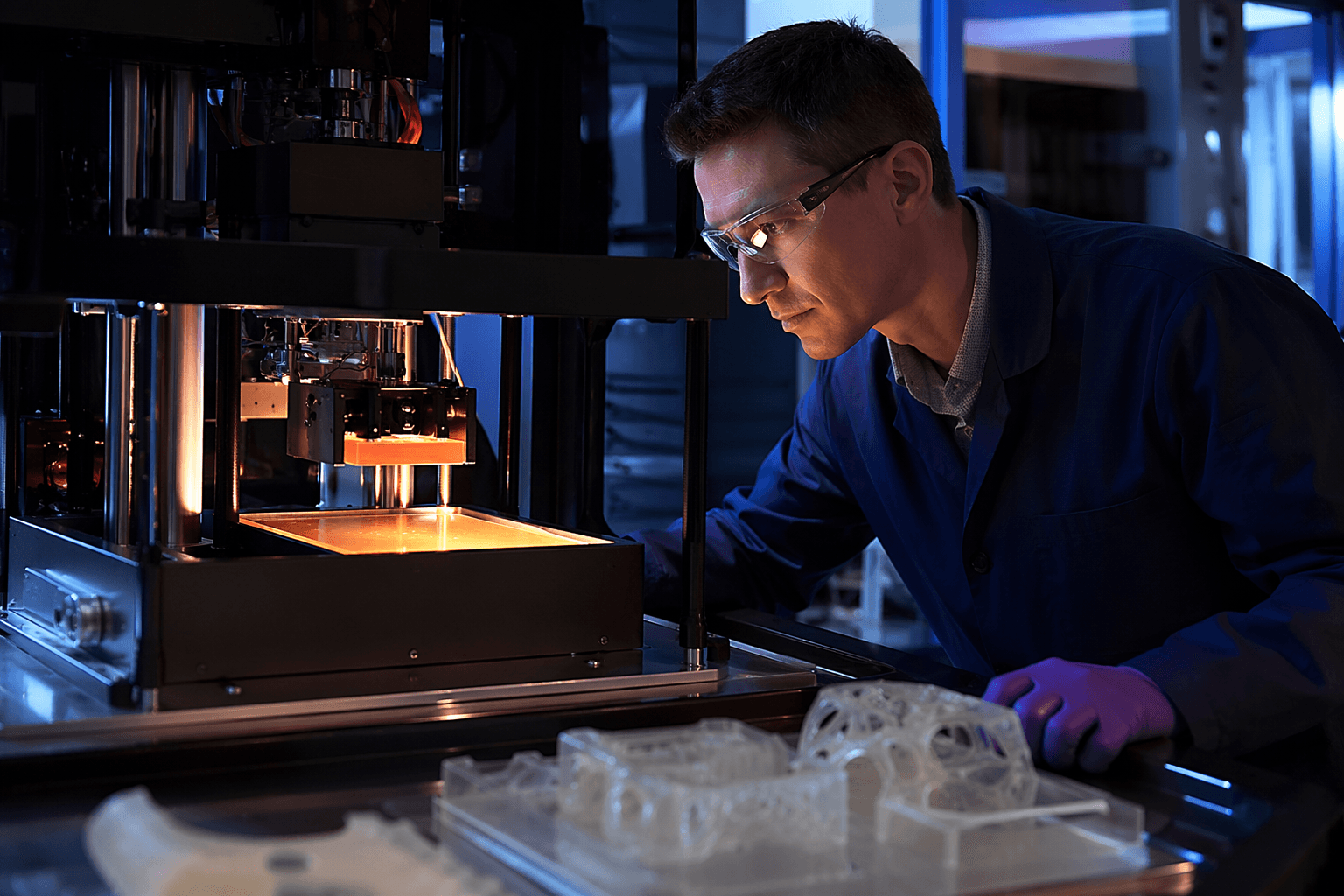
The most practical 3D printing news this weekend was not about a bigger machine or a shinier demo part. It was about cutting the time between a scan, a design, and something a person can actually use. EPFL pushed hologram-guided volumetric printing toward larger bioprints, Superfeet moved its ME3D insole platform closer to wider use, and prosthetics again showed how additive manufacturing earns its keep when fit matters more than volume.
For time-to-real-world-use, Superfeet came first. The company has been making 3D printed insoles for years, and the new mobile enhancement to ME3D is aimed squarely at expanding access to personalized footwear support. That changes the workflow from a long, specialized custom-order process into something more immediate, with personalized insoles and recovery slides already established through ME3D and ME3D Aftersport Custom Recovery Slides. The practical gain is simple: less waiting, more individualized support, and a clearer path through retail channels that have already included REI, Dick’s, and Nordstrom.
Prosthetics ranked second because the use case is already obvious and the payoff is immediate. Custom medical and wearable parts do not need to justify themselves with novelty; they need to fit, function, and be made fast enough to matter to a patient. That is where 3D printing keeps proving itself. The blockage is less about whether the geometry can be printed and more about the handoff from fitting to fabrication, plus the clinical and production steps that have to line up around it.
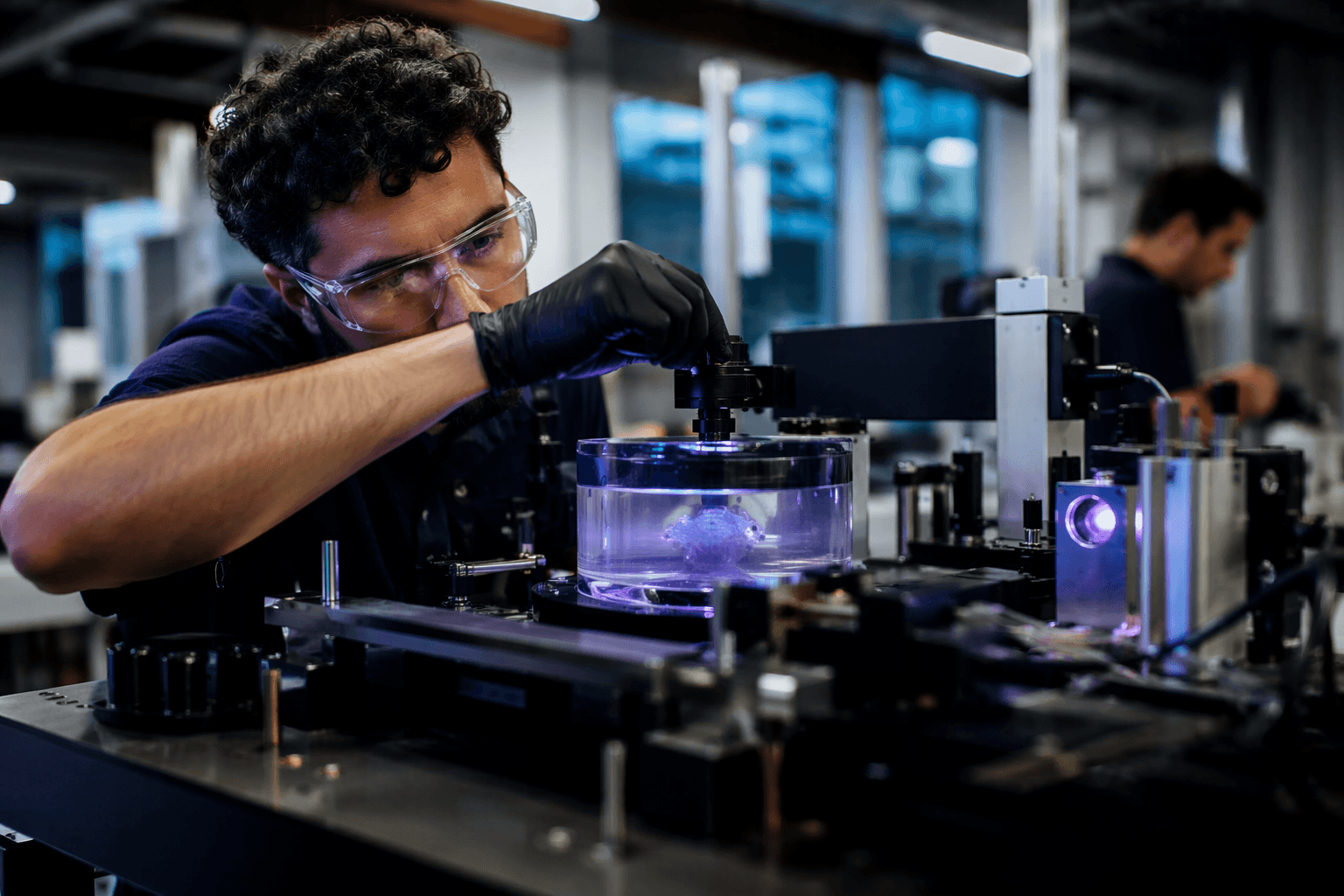
EPFL’s advance was the most technically ambitious, and the furthest from routine use, but it was also the clearest sign that volumetric printing is moving past lab-scale curiosity. Tomographic volumetric additive manufacturing hardens photosensitive resin in a rotating vial with laser light, producing 3D objects without support structures. EPFL’s new hologram-guided approach controlled the phase of the light beam instead of only its brightness, which preserved more laser power and improved fidelity in light-scattering media. The lab said light projection efficiency rose by at least a factor of 20 over amplitude coding while keeping diffraction-limited resolution.
That matters because the system already printed microscale objects in tens of seconds, and the new work reportedly solidified millimeter-scale objects in seconds and centimeter-scale objects in minutes. Christophe Moser, who leads EPFL’s Laboratory of Applied Photonics Devices, has framed the push as a route to tissue-like structures at near-clinical scale. The team also said it printed structures substantially larger than previous holographic approaches, even with the extra scattering created by embedded cells. EPFL’s earlier work through highly scattering media, including a 300-micrometer-thick chicken breast, showed how far the platform has been pushed already.
The pattern across all three stories was the same: 3D printing looked most useful where it removed friction from a real workflow. Superfeet is closest to everyday adoption, prosthetics remains the clearest high-value fit, and EPFL is building the kind of printing engine that could eventually make larger bioprints feel less like a breakthrough and more like a tool.
This article was produced by Prism’s automated news system from verified source data, official records, and press releases, then run through automated quality and moderation checks before publishing. The system is built and supervised by the people who set the standards it runs under. Read our full AI policy.
Know something we missed? Have a correction or additional information?
Submit a Tip