All3DP Guide Helps Makers 3D Print Flyable Drones
A printed drone only flies if you treat it like flight hardware: keep it light, pick the right filament, and build for crashes, not just shelf appeal.
Why this guide matters
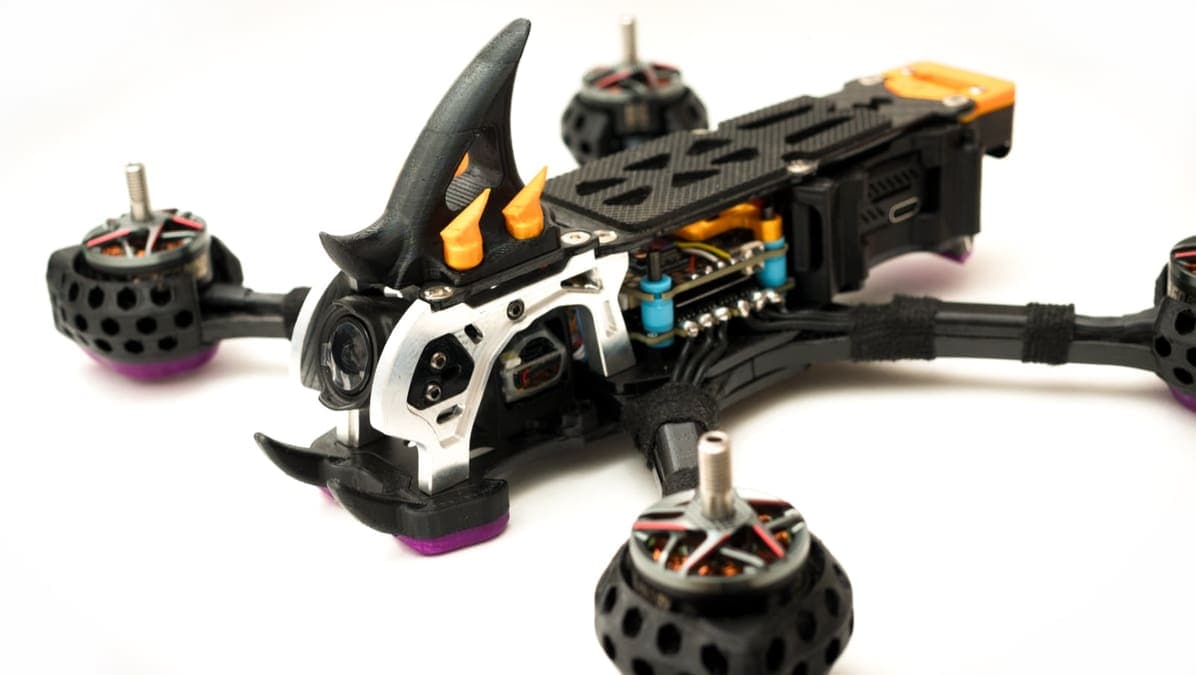
A 3D-printed drone is one of the clearest tests of whether a printer setup can do real work. All3DP’s new guide, published April 25, 2026, frames the project as a path from a quick weekend build to a higher-performance FPV-style machine, and that framing gets to the heart of it: this is not about printing a pretty shell, it is about producing a platform that can lift, survive, and be repaired. The whole appeal is that drones reward the strengths of desktop fabrication, especially light weight, repeatable geometry, rapid iteration, and the ability to replace a broken part without starting over.
That is also why the guide lands inside a bigger shift in the hobby. The MakerWorld-based ecosystem is moving away from vague STL downloads and hopeful slicing toward curated files, application-specific builds, and community testing that lowers the barrier for newcomers while still leaving room for experienced builders to customize. All3DP has been building this lane for several years, with coverage that stretches across 3D-printed drone parts, FPV drones, and even a drone kit review. The message is consistent: printable drones are no longer a novelty category. They are becoming a serious maker workflow.
What separates a flyer from a bench queen
The first thing that separates a drone that actually flies from one that only looks good on the bench is weight. Every gram counts, and the reason is not just performance, it is regulation. In the United States, the Federal Aviation Administration requires registration for drones that weigh more than 0.55 pounds, or 250 grams, and registered drones must comply with Remote ID requirements. If you can keep a build under that threshold, you cut down on friction before the aircraft ever leaves the table.
That makes frame design a practical decision, not an aesthetic one. A printed frame needs to be light enough to fly efficiently, but strong enough to survive the kind of minor hits and hard landings that are part of ordinary drone life. Too much material adds mass and makes the motors work harder. Too little material and the frame turns into a one-crash project. The sweet spot is a frame that is deliberately engineered for the mission, whether that is a casual weekend flyer or a more aggressive FPV-style setup.
Motor choice sits in the same balancing act. A printed airframe only works if the propulsion system matches the weight and purpose of the build, and that is why “good enough on paper” is not good enough in practice. A lightweight frame with mismatched motors can feel underpowered or twitchy, while an overbuilt setup can erase the very weight savings that make a printed drone attractive in the first place. The safest path is to treat the frame, motors, battery, and flight electronics as one system instead of a pile of parts.
The print settings that matter most
Print orientation is one of the easiest places to make a drone fail before it even leaves the printer. Layer direction matters because drones are stressed in predictable ways: arms flex, joints twist, and impact loads travel through the frame on crash recovery. If you orient parts carelessly, you can line up the weakest direction of the print with the strongest forces in the airframe, which is how a clean-looking frame can split on the first hard landing.
Filament choice is just as important. All3DP’s guide puts real emphasis on choosing the right files and the right filaments, and that is the correct instinct for this kind of build. A drone frame needs material behavior that fits the job: enough toughness to absorb abuse, enough stiffness to hold alignment, and enough printability that the part comes out cleanly and repeatably. If a filament produces parts that are pretty but brittle, the drone becomes a display model with props.
The minimum skill threshold is higher than a lot of first-time makers expect. Before you start, you want to be comfortable with model selection, file prep, slicing, print tuning, assembly, wiring, flight electronics, and flight testing. The project rewards people who can diagnose a bad first print, spot a weak joint, and understand when a problem is in the file, the slicer, or the hardware. If those steps still feel alien, the safest next move is to build those skills on less expensive prints first.
The failure-prone decisions
Most printed drone failures come from the same handful of mistakes. The first is choosing a file because it looks cool instead of because it was designed for flight and tested in the community. The second is overbuilding the frame until the weight penalty wipes out the point of printing it in the first place. The third is underestimating how much crash resistance matters, especially when the frame is carrying motors, electronics, and wiring that all need to stay aligned after a hit.
Another common mistake is treating the project like a decorative print until the very end. A printed drone is an engineering assembly from the beginning, and the guide’s real value is that it pushes makers to think that way early. You do not just print a part, bolt on electronics, and hope for lift. You choose the geometry, think through the loads, tune the slice, and then build toward the flight characteristics you want.
Why the broader hobby cares
The reason printable drones matter so much is that they sit at the intersection of the best parts of desktop fabrication and the best parts of RC culture. They are fast to iterate, easy to repair, and ideal for sharing back into a community that likes to test, revise, and improve. That is the same logic that has made printed parts useful in camera rigs, robotics, and RC cars: the printed part is not decoration, it is the working platform.
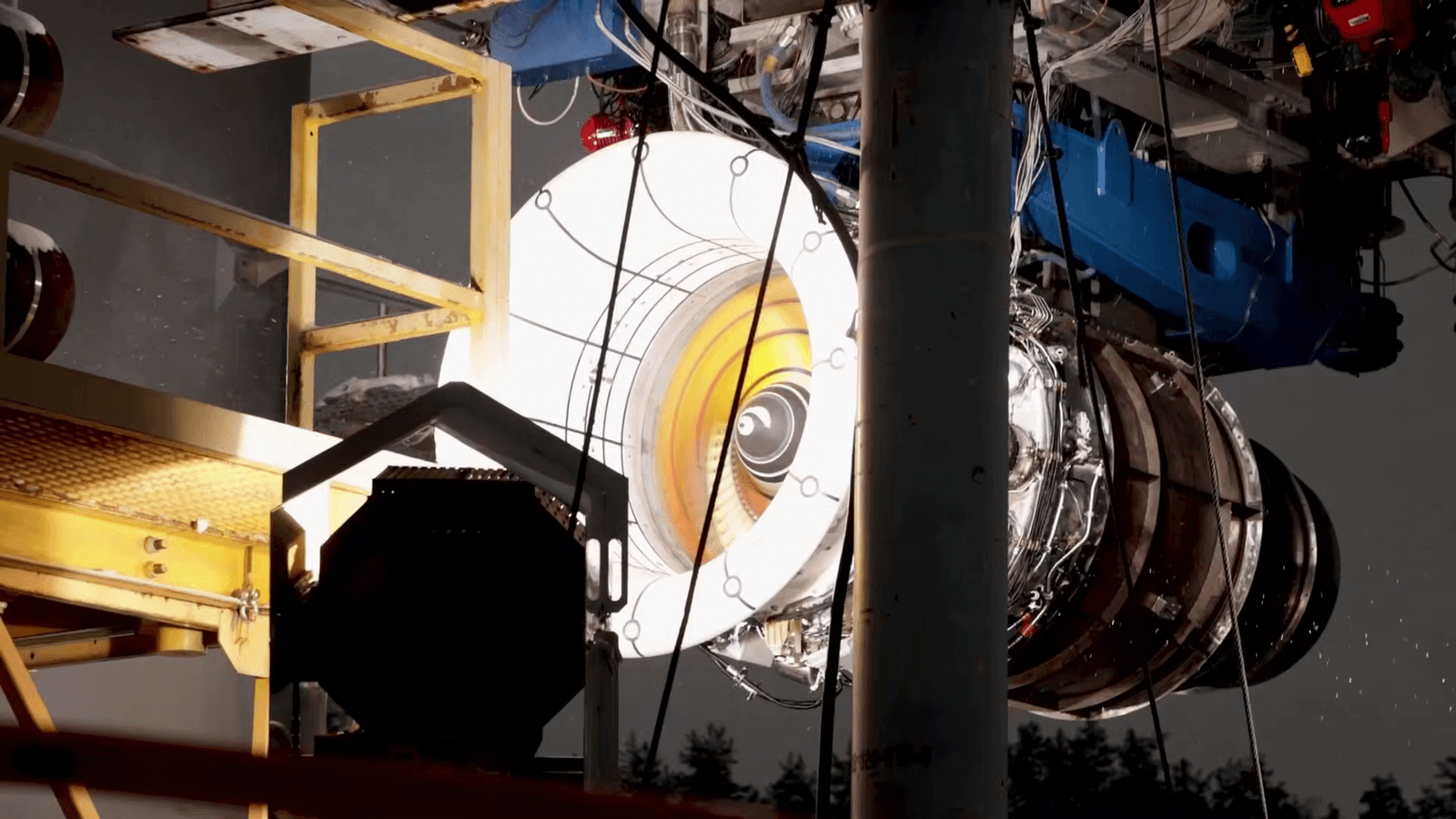
There is also a deeper aerospace lineage behind the hobby. NASA has described 3D printing as a tool with important applications in aviation, which helps explain why the idea keeps returning in more accessible forms. MIT’s 2021 work on LaserFactory showed a system for fabricating fully functional drones by placing components and drawing circuit traces in a design environment, while Stratasys said in 2020 that Aurora Flight Sciences had created what it described as the world’s first jet-powered, 3D printed aircraft. Taken together, those milestones show how far the category has moved, from experimental aerospace demonstrations to something a hobbyist can reasonably tackle at a desktop printer.
The real promise of the guide is not that anyone can print a drone body and expect flight. It is that with the right files, a disciplined print setup, and an honest eye on weight, motors, strength, and orientation, a maker can turn a printer into a real aviation tool. That is where this part of the hobby feels most alive: a part can fail, be rethought overnight, and fly better on the next attempt.
This article was produced by Prism’s automated news system from verified source data, official records, and press releases, then run through automated quality and moderation checks before publishing. The system is built and supervised by the people who set the standards it runs under. Read our full AI policy.
Did this article answer your question?