Beca’s 3D-printed PIPE-i robot inspects dangerous tunnels and culverts
A rope-pulled prototype became a 3D-printed robot that can enter culverts humans cannot, and the payoff is safer, faster inspections with a $100,000 price tag.
A robot built for the places people should not enter
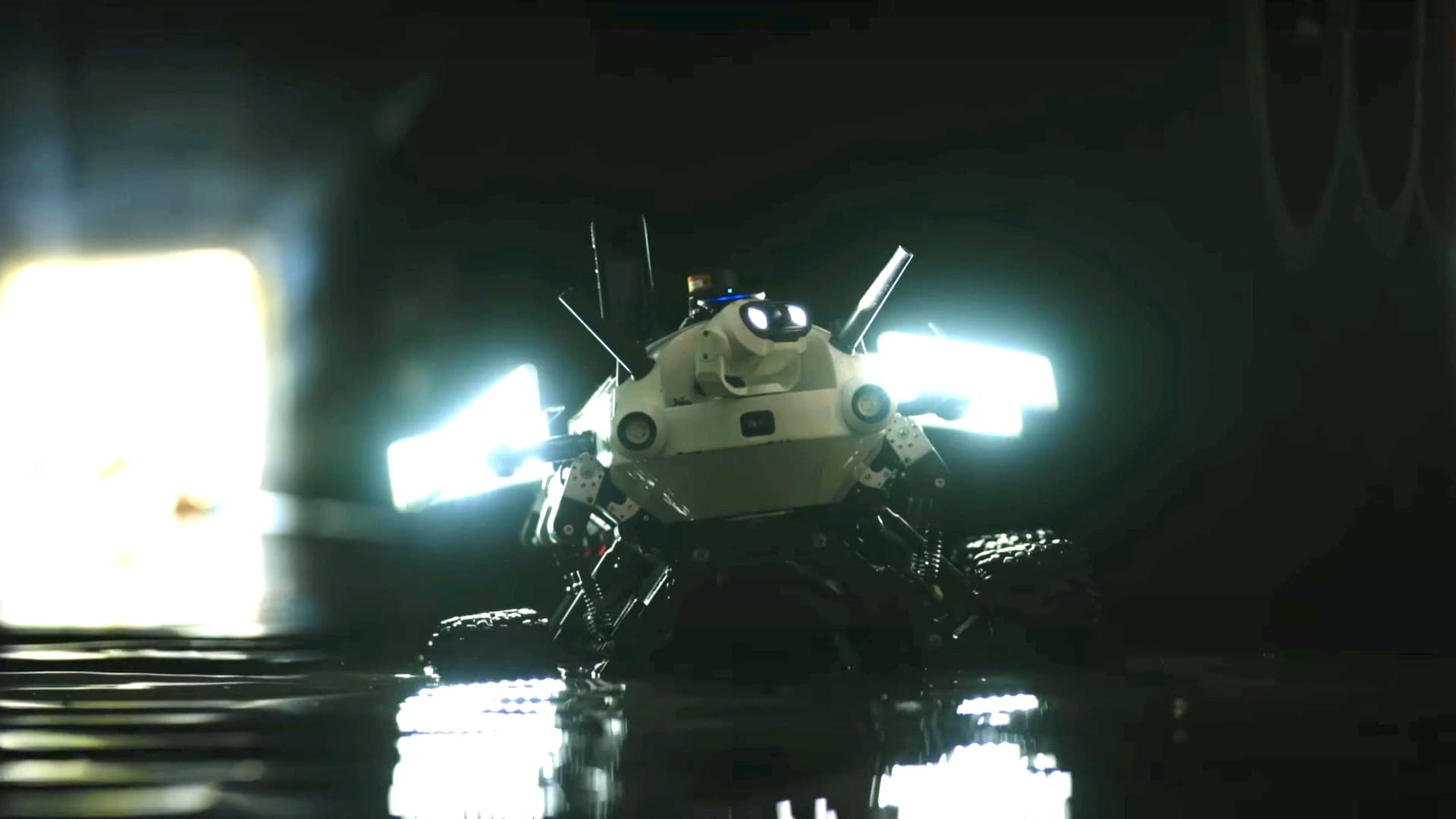
A cracked culvert under a busy highway is the sort of job that stops a survey crew in its tracks, and that is exactly where PIPE-i was born. Beca built the six-wheeled robot to inspect culverts, pipes and tunnels after surveyors were asked to assess a severely cracked and deformed culvert beneath State Highway 35 in the Bay of Plenty, where it was too unsafe for a person to go in and take accurate measurements.
That original problem still defines the machine. PIPE-i is designed to move through hazardous, confined spaces while capturing all-terrain 3D scans, 360-degree photos, LiDAR, video and images, then bringing back a consistent digital record with minimal human risk. In practice, it is a remote-controlled survey vehicle with enough sensing gear to do the work of a much more cautious field team.
From rope pull to field robot
The first version of PIPE-i appeared in 2020, and Beca says it was very basic at the start, even pulled by a rope. From there, the build picked up motors, a live camera feed, upgraded 3D scanning, LED light arrays and other sensors, turning a rough proof of concept into something that could actually work in dark, wet, hard-to-reach infrastructure.
Beca also says the robot was built from scratch using 3D printing because nothing suitable was available off the shelf. That detail matters for anyone who has ever tried to shoehorn a commercial part into a custom machine: when the geometry is odd, the environment is hostile and the payload is a real scanner, printing your own brackets, mounts and housings becomes the fastest path from idea to field test. PIPE-i is a reminder that 3D printing is not just for prototype shells, it is often the missing layer that lets a machine become site-ready.
The number behind the novelty
Āpōpō named PIPE-I a finalist in its 2024 Innovation Award category on April 24, 2024, and the recognition came with a useful snapshot of the project’s scale. The finalist listing said the robot cost about $100,000 and was developed from June 2022 to June 2023, which gives the build a rare kind of transparency for a specialist robotics project: you can see the timeline, the cost and the practical ambition all at once.
Āpōpō also described PIPE-I as a semi-automated, remote-controlled robotic survey vehicle that delivers a lightweight Leica BLK360 3D scanner into unsafe environments. That is the kind of detail makers should notice, because the core design logic is not just mobility, it is payload delivery. The robot exists to place a precise measurement tool where people cannot safely stand, including culverts that had previously been impossible to survey because of safety concerns.
Why the project got funded and reviewed
Beca says the project received seed funding from its internal Beca Innovation Investment Group, which helped turn the idea into a working system. Before public launch, the NZ Return On Science committee reviewed the project and advised on market fit, intellectual property protection and regulatory issues, a sign that this was never meant to be a one-off demo.
That combination of internal funding and outside review tells you a lot about why PIPE-i moved forward. The robot sits at the intersection of engineering, safety and asset management, where the business case is not flashy but very clear: more economical inspections, faster inspections and more objective inspections. For a utility owner or survey team, that means fewer risky entries, cleaner digital records and less dependence on improvised field work.
What small robot builders can take from PIPE-i
PIPE-i is useful to hobbyists because its design choices are easy to translate to smaller projects. The robot did not start with a polished industrial shell, it started with a rope-pulled body and then gained the parts it needed step by step. That is a useful pattern for any builder trying to make a rover, crawler or inspection bot survive a real environment.
- Build around the payload first. PIPE-i exists to carry a scanner, camera and sensing stack, so the chassis had to serve the mission, not the other way around.
- Prototype the simplest mobility you can validate. The rope-pulled first version proved the concept before motors and sensing were layered in.
- Use 3D printing to solve fit, not just aesthetics. Custom geometry is what gets a robot through cramped spaces and around awkward sensor packages.
- Add lighting and live video early. Dark confined spaces are useless to both humans and machines without clear visibility.
- Design for replacement parts. Field robots wear out, and printed components can keep a project moving when a vendor part does not exist.
Those lessons are especially relevant because Beca says PIPE-i was created after the team tested market options and found no commercially available off-the-shelf solution. If the right part does not exist, the fastest route is often to print the part you need, test it, and revise it before the next site call.
A robot with a future beyond the culvert
PIPE-i has already attracted worldwide attention, according to Beca, and the next stage is even more ambitious than the hardware. The company says an end-to-end automated workflow for asset inspections, including AI computer vision machine learning, is already underway, which points toward a future where the robot does not just collect data, it helps turn that data into decisions.
Marcus Hall, senior associate in surveying, also presented the Pipe-i Robot’s Journey at Āpōpō Congress 2024 as part of a broader discussion on transforming asset management with Te Ao Māori. That kind of presentation matters because it places the robot in the same conversation as the people and practices it is meant to support, not just the machinery itself.
In the end, PIPE-i is a story about access. 3D printing gave Beca a way to build a machine for a job no shelf catalog was ready to solve, and the result is a survey robot that can go where people should not, bring back usable data and keep the work moving without asking a crew to take unnecessary risks.
This article was produced by Prism’s automated news system from verified source data, official records, and press releases, then run through automated quality and moderation checks before publishing. The system is built and supervised by the people who set the standards it runs under. Read our full AI policy.
Did this article answer your question?