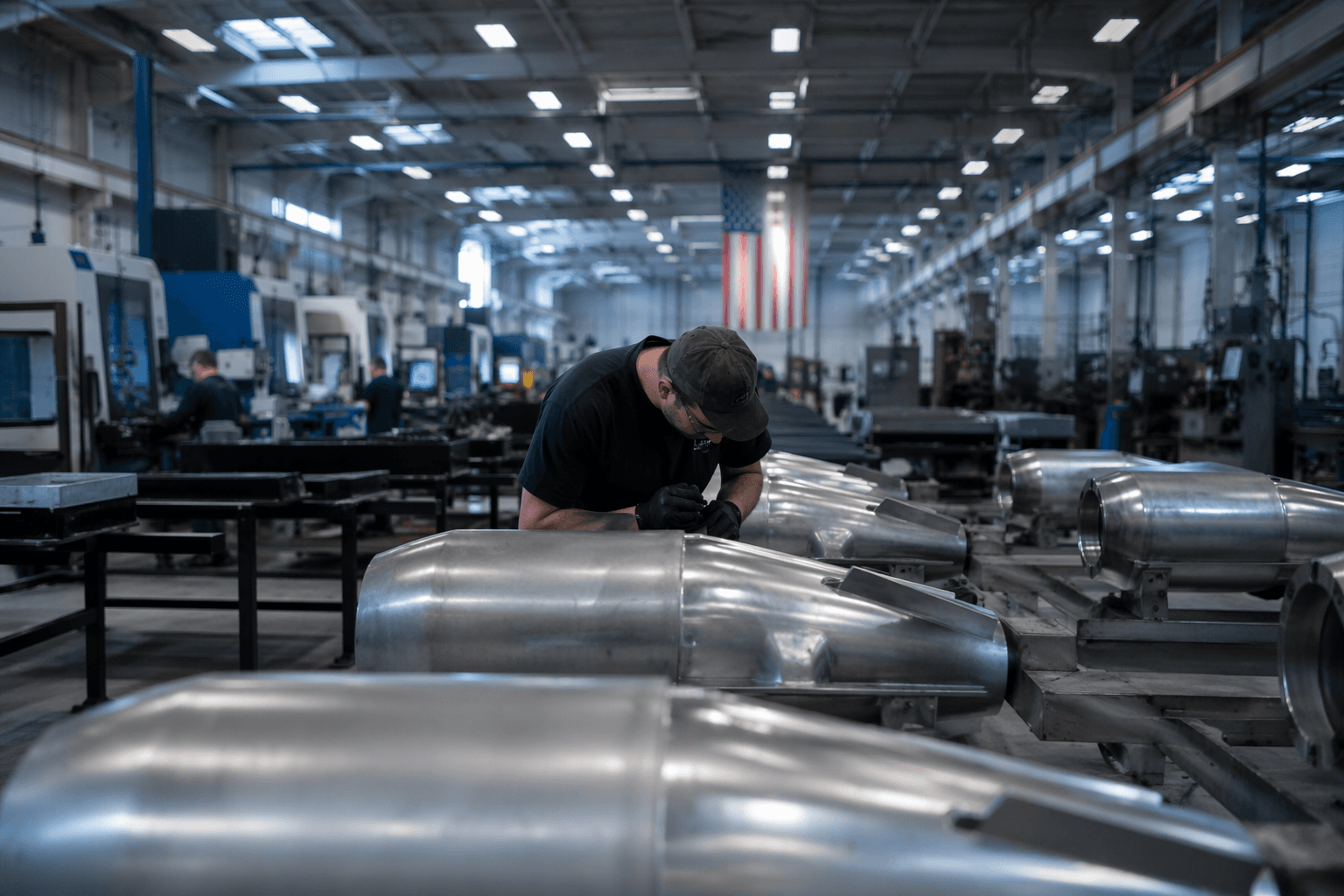
Rosatom ships India’s largest vacuum metal 3D printer for aerospace parts
Rosatom’s RusBeam 2800 can print metal parts up to 2.8 meters tall and four tonnes heavy. It is now commissioned in India, where it will feed aerospace work.
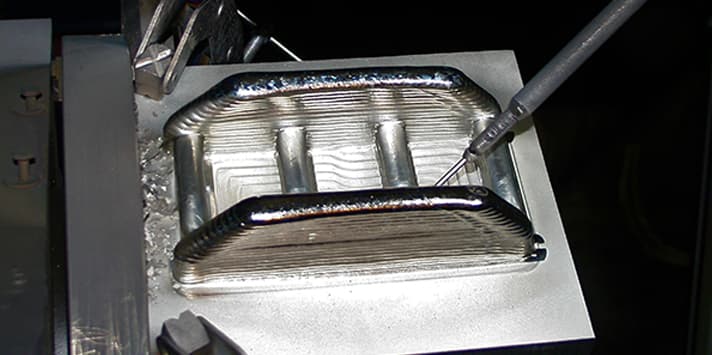
Rosatom has pushed a metal additive machine into a new tier of scale, and the immediate headline is hard to miss: India now has its largest vacuum-based electron-beam wire deposition 3D printer, a custom-built RusBeam 2800 that can produce parts up to 2.8 meters high and weigh as much as four tonnes. The system was supplied and commissioned at the Indian customer’s facility on April 28, 2026, giving Rosatom its first export of a 3D printer abroad.
The machine runs on Electron Beam Additive Manufacturing, or EBAM, and Rosatom says the vacuum-controlled process is meant to combine high deposition speed with material integrity for large aerospace components. In plain terms, this is not a desktop-metal curiosity or a small-batch prototyping rig. It is an industrial platform aimed at making big, complex metal parts faster, with less of the machining and joining that usually slows aerospace production.
Rosatom said the contract was won through an international tender and that the printer was built specifically for the Indian client, with Rosatom-developed software handling the operation. The company said the unit will manufacture metal parts for India’s aerospace industry, placing it squarely in a sector where lead times, alloy performance, and part size are all critical. For the 3D printing community, the significance is less about a new machine to buy and more about the direction of the technology: vacuum metal printing at this scale is still firmly in the industrial lane, but every successful deployment widens the path for future materials, workflows, and localized production.
Alexey Likhachev, Rosatom’s director general, said the deal reflects the strategic technological partnership between Russia and India and added that Rosatom is already discussing further supplies, joint R&D in additive technologies, and possible localization of equipment manufacturing in India. That matters because the next step after a showcase machine is often a supply chain. If Rosatom and Indian partners keep moving from delivery to co-development and local production, the biggest long-term impact may be on how quickly advanced additive systems become available inside India, not just on one factory floor.
Dr. Vessangi Anilkumar, deputy general manager of the Vikram Sarabhai Space Centre and head of the Additive Manufacturing R&D Center, said the technology could help ISRO fabricate large near-net-shape parts from advanced titanium alloys, superalloys, and refractory alloys, cutting lead times and supporting programs including Gaganyaan, the Bharatiya Antariksh Space Station, and Chandrayaan missions.
The broader deal also stretches beyond a single printer. Rosatom said its additive business signed framework dealership agreements with Indian clients worth about 1.5 billion rubles in September 2025, and in March 2026 HMT Limited signed an MoU with Rosatom Additive Technology to jointly manufacture additive technology machines in India. That points to a bigger shift: not just imported metal AM capability, but a possible move toward domestic manufacturing, local assembly, and a deeper industrial base for high-end additive systems.
This article was produced by Prism’s automated news system from verified source data, official records, and press releases, then run through automated quality and moderation checks before publishing. The system is built and supervised by the people who set the standards it runs under. Read our full AI policy.
Did this article answer your question?