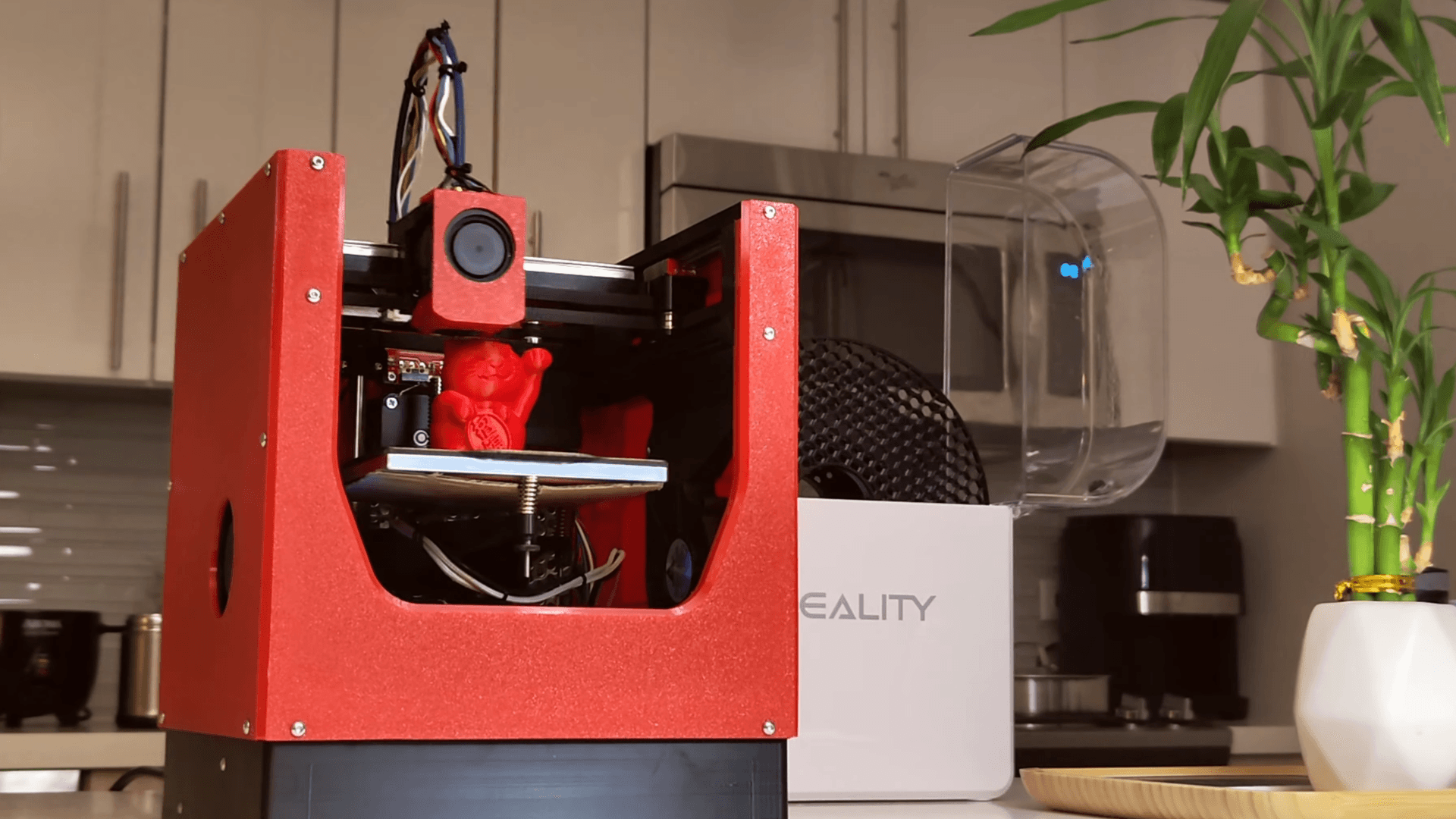
All3DP updates recycling guide for 3D print waste and scraps
All3DP's updated guide turns the scrap bin into a sorting job, pointing makers to nine realistic recycling paths for failed prints, supports, spools, and mixed plastics.
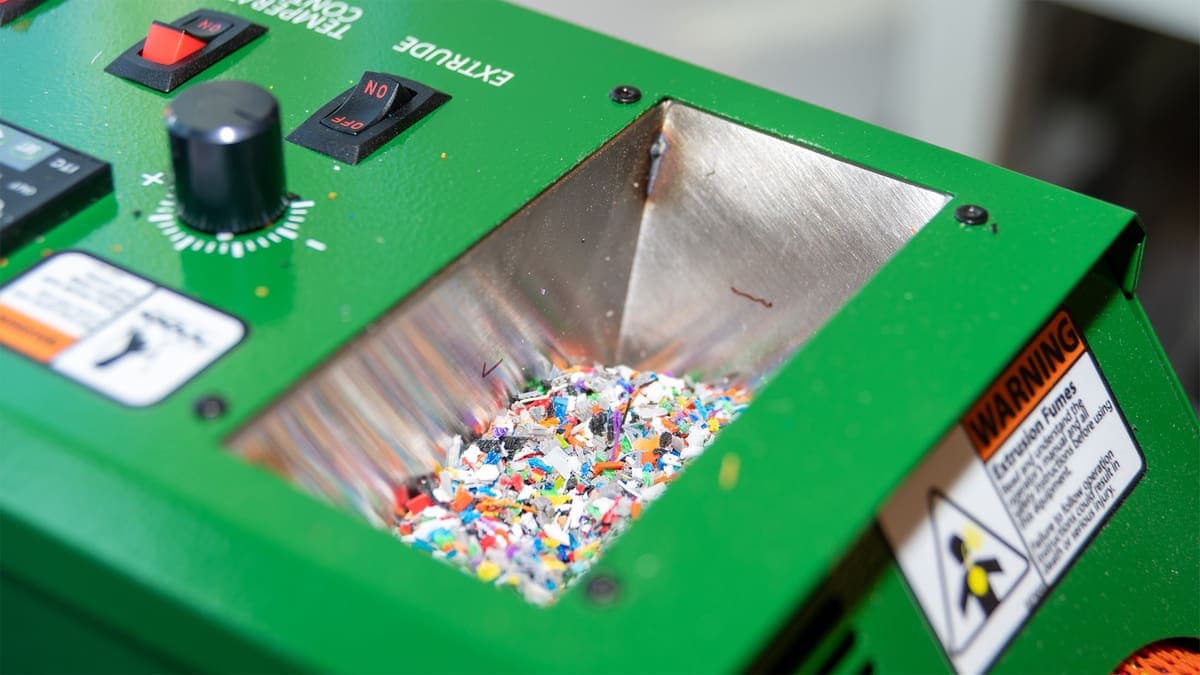
A practical answer for the overflowing print bin
All3DP’s updated recycling guide takes a familiar mess and turns it into a workflow decision. The useful shift is not that 3D printing waste exists, but that failed parts, purge blobs, supports, trimmings, broken prototypes, and empty spools now have specific places to go instead of defaulting to the trash.

That matters because the waste stream is not one thing. Clean PLA scraps, mixed-material failures, resin support material, and FDM purge towers all land in different buckets, and the guide is built to help you sort those buckets before the bin fills up again.
Start by sorting the scrap, not just collecting it
The first job is to separate what you actually have. All3DP’s broader recycling coverage treats 3D print waste as a mix of failed prints, purge blocks, supports, and empty spools, which is the right way to think about it if you print often.
That distinction saves time later. A pile of clean PLA offcuts can fit a very different route than a support-heavy crash print or a bag of mixed plastics, and the guide’s value is in making that difference obvious before you spend an afternoon cleaning material that a recycler will not want.
TerraCycle handles the messier mixed-plastic jobs
TerraCycle’s 3D Printing Materials Zero Waste Box is the clearest option for scrap that is not neatly sorted by filament type. It accepts a wide range of materials, including ABS, ASA, PS, HIPS, PP, PE, PET, PETG, PC ABS, Nylon, and TPU, along with scrap printing material and spools from 3D printers.
PLA is the catch. TerraCycle directs PLA into a different box stream, which makes the program especially useful if your shop generates a lot of mixed waste but still needs a clean path for non-PLA leftovers. For makers with bins full of support lattices, failed prototypes, and random offcuts, this is the kind of service that reduces sorting friction.
FormFutura gives PLA and PETG a mail-in route
FormFutura’s recycling program is narrower, but that is part of the appeal. Users can ship PETG and PLA waste to FormFutura’s address for recycling, which gives you a straightforward path if those two materials make up most of your failed parts and purge towers.
That simplicity matters in real print shops. If your waste is mostly the result of iterative prototyping, cosplay armor, or test parts in PLA and PETG, a focused program like this can be easier to use than a broader mixed-plastics box.
Printerior ties recycling to the next filament purchase
Printerior’s program is built around a practical tradeoff: send in waste plastic, get a benefit back. The company offers prepaid recycling bins and discounts on filament purchases for each kilogram of waste plastic recycled, which gives the process a direct place in the materials budget.
It also stretches beyond a single user. Printerior says the program is designed for businesses, schools, maker spaces, and hobbyists, so the same system can work whether you are clearing one desktop bin or coordinating a larger classroom or community shop.
Prusa Research treats recycling as a product and a map problem
Prusa Research has pushed recycling from an afterthought into an organized service layer. In its sustainability-strategy outreach, more than 30% of customer feedback centered on recycling useless prints and leftover filament, which is a strong signal that waste handling is a common pain point, not a niche complaint.
The company responded with a recycling world map to help users find options, then followed with Prusament PLA Recycled and Prusament PETG Recycled. Prusa says its recycled PLA is made from 100% recycled Prusament PLA materials, which gives users a clean example of what a closed-loop filament stream can look like.
All3DP’s roundup makes the choice less vague
The updated All3DP guide pulls those services into one place and, crucially, frames the problem as a choice between realistic routes rather than a single perfect answer. That is the part makers can actually use after a weekend of calibration cubes, failed first layers, and half-finished prototypes.
All3DP’s recycling coverage also points to an Arizona pilot project where locals could 3D print for free with recycled plastics, a reminder that recycled feedstock is no longer just a lab concept. The same coverage around recycled filament shows that the hobby side and the community side are starting to overlap.
PLA and ABS are common, but they are not interchangeable waste
The U.S. Environmental Protection Agency notes that PLA and ABS are the most popular filament choices in 3D printing, and that difference matters once the print is done. PLA comes from renewable sources, while ABS comes from petroleum processing, which helps explain why scrap made from each material often ends up on different recycling paths.
The agency also stresses that recycling and composting access is local and uneven, so a label on the roll does not guarantee acceptance in a household program. That is why a dedicated 3D-print recycling service can be more useful than hoping the standard curbside bin will sort it out.
The bigger loop was tested in space before it reached the bench
NASA has already shown what a closed plastic loop can do when supply lines are expensive. The Refabricator, first deployed aboard the International Space Station in February 2019, was the first 3D printer integrated with a recycler on station and can turn plastic waste into high-quality 3D-printer filament.
NASA also says the first 3D printer went to the ISS in 2014, which makes the recycling step feel like the logical next move rather than a side project. What looks like cleanup work in a garage or maker space sits inside a much larger manufacturing idea: if you print often enough, your waste bin is part of the production system.
The takeaway for the next pile of scraps
That is the real utility of All3DP’s updated guide. It does not ask you to treat every failed print like a moral test; it gives you a usable map for deciding whether the next purge tower, support raft, or broken prototype belongs in a mixed-plastic box, a filament-specific mail-in program, or a local recycling route.
This article was produced by Prism’s automated news system from verified source data, official records, and press releases, then run through automated quality and moderation checks before publishing. The system is built and supervised by the people who set the standards it runs under. Read our full AI policy.
Know something we missed? Have a correction or additional information?
Submit a Tip