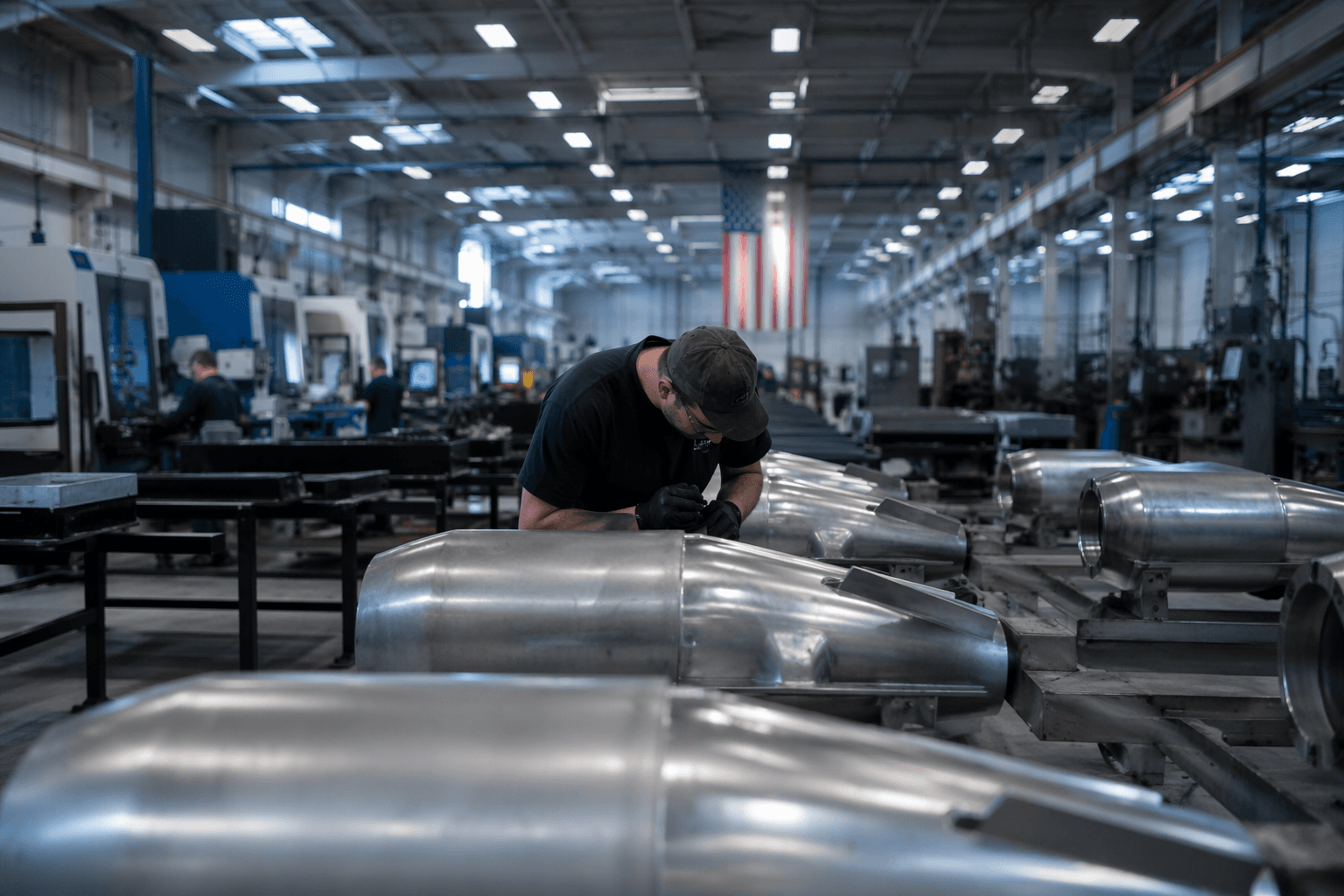
Alquist Partners with Two Colleges to Build 3D Construction Printing Workforce
Alquist embedded its A1 3DCP system and a 60-hour curriculum into two college programs, with Rio Salado students already printing concrete benches for Tempe's downtown.
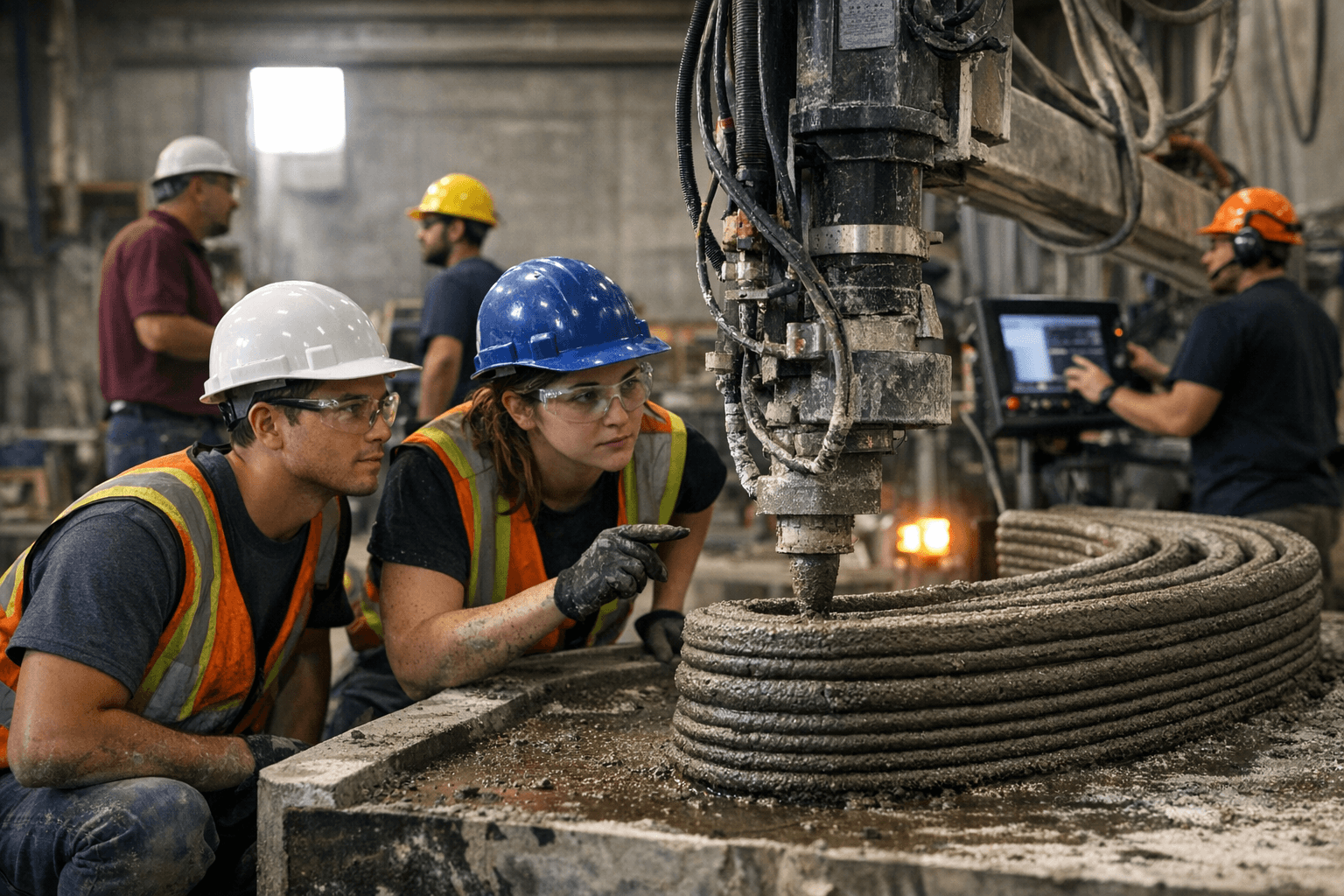
Alquist planted its A1 construction printer inside a college construction lab and called it workforce strategy. The Greeley, Colorado-based 3DCP company announced on March 10 that it had formalized higher-education partnerships with Rio Salado Community College in Arizona and the University of Wisconsin–Stout, embedding its proprietary A1 3DCP systems and a 60-hour curriculum directly into degree programs at both institutions.
At UW–Stout, Wisconsin's Polytechnic University, Alquist's curriculum and hardware are being integrated into construction management, technology education, and industrial and product design programs. The A1 system is going into UW–Stout's construction lab, and the collaboration extends into research on scalable additive manufacturing solutions. Chancellor Katherine Frank put it plainly: "This partnership aligns directly with our mission to deliver applied, career-ready education. By bringing 3DCP technology and curriculum to our students, we're preparing them to lead in a rapidly evolving construction and manufacturing landscape."
The Rio Salado partnership has been running longer than the announcement might suggest. It traces back to early 2024, when Mannheimer connected with Rio Salado President Kate Smith, Ed.D., at the Alliance for Innovation & Transformation Conference in Phoenix. That introduction turned into an agreement to bring Alquist's printing system and curriculum to the Phoenix region, and students there have already been doing real work with the technology. Rio Salado students delivered 3D-printed concrete benches for the City of Tempe's Downtown Enhancement Project, which is exactly the kind of tangible output that makes this more than a classroom exercise.
The 60-hour curriculum is the connective tissue across both partnerships. Rather than simply donating hardware, Alquist is standardizing the training pipeline: students at both schools get hands-on time with the A1 system alongside the software and robotic processes that drive commercial 3DCP deployments.
These college partnerships fit into a broader workforce push Alquist has been building in Colorado as well, including a presence at the Aims Workforce Innovation Center and the launch of its Alquist Innovation Program, which is aimed at expanding access to high-tech careers in construction robotics. The company framed workforce development as foundational to its commercial ambitions, noting that it is expanding deployments nationwide across large-scale retail and infrastructure projects, and that scaling those operations requires trained operators that simply do not yet exist in large numbers.
The argument Alquist is making is essentially that you cannot sell robotic construction at scale if nobody knows how to run the robot. Seeding A1 systems into college labs and running students through a standardized 60-hour curriculum is a direct attempt to solve that bottleneck before it becomes a ceiling on growth.
This article was produced by Prism’s automated news system from verified source data, official records, and press releases, then run through automated quality and moderation checks before publishing. The system is built and supervised by the people who set the standards it runs under. Read our full AI policy.
Did this article answer your question?