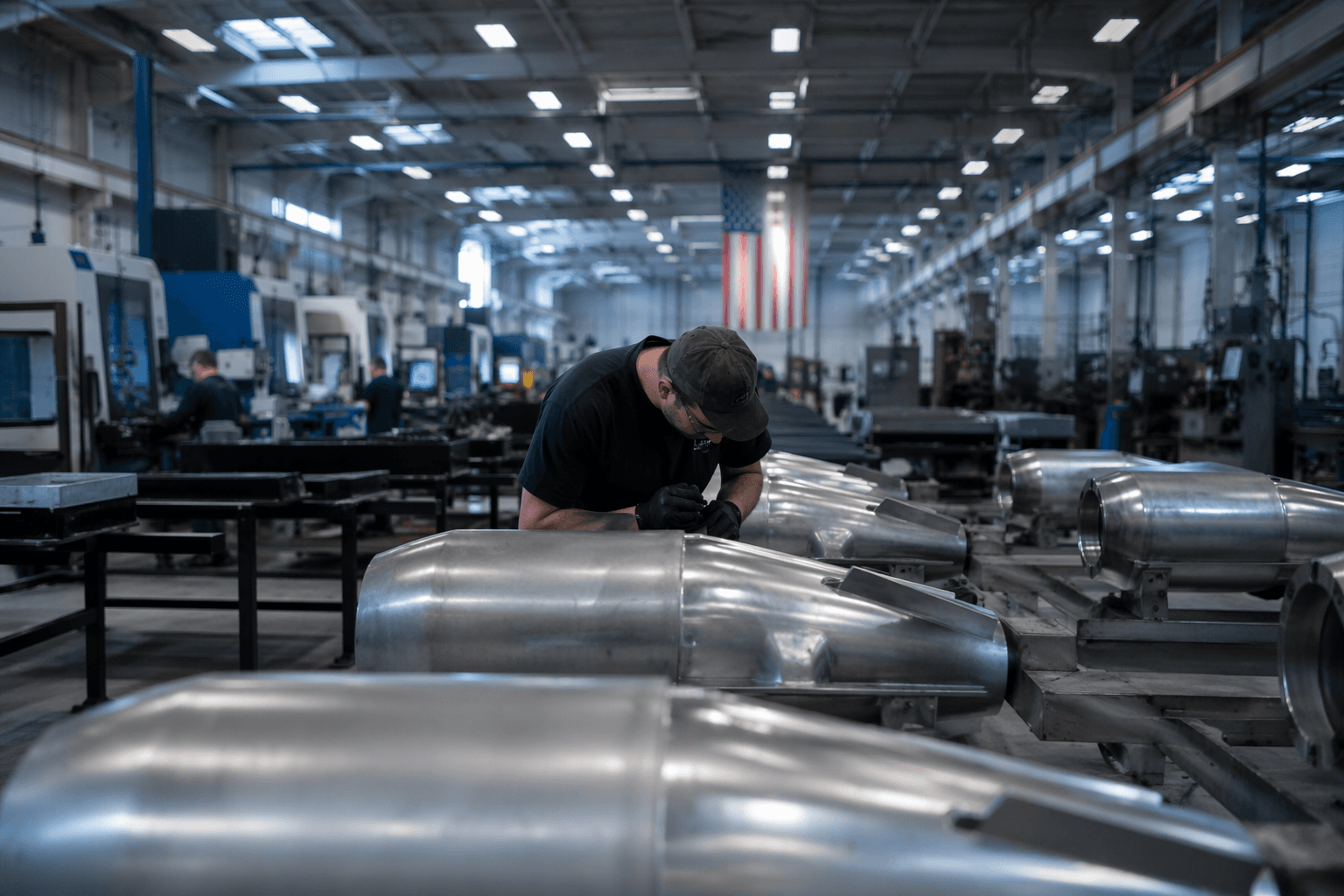
California Sues Two Websites Over 3D-Printed Gun File Distribution
California AG Rob Bonta sued two Orlando-based websites hosting 150+ 3D-printed gun designs, as ghost gun recoveries hit 10,877 in 2021, up from just 3 in 2013.
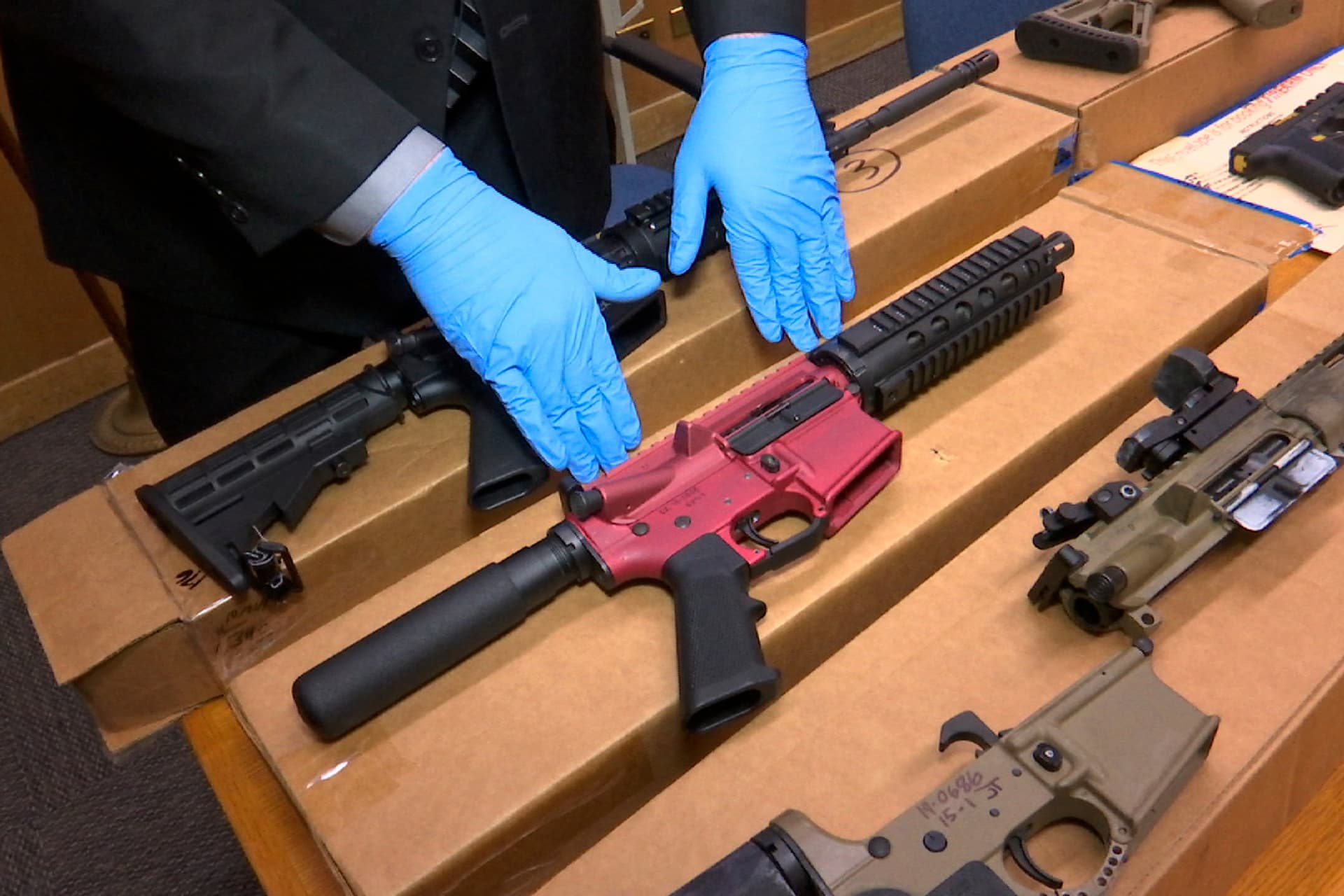
California Attorney General Rob Bonta and San Francisco City Attorney David Chiu filed a civil lawsuit in San Francisco Superior Court on February 6, 2026, targeting two Florida-based websites that collectively host computer code and step-by-step instructions for more than 150 firearm designs, including machine gun conversion devices and prohibited accessories.
The defendants are Gatalog Foundation Inc. and CTRLPew LLC, both incorporated and based in Orlando, Florida. Three individuals were also named: Alexander Holladay, identified as the principal of Gatalog Foundation and operator of the CTRL+Pew website; John Elik, listed as Gatalog's director; and Matthew Larosiere, a gun rights attorney and 3D-printed gun designer.
The complaint alleges violations of California Civil Code §§ 3273.61 and 3273.625, which prohibit the knowing distribution of computer code or digital instructions intended for use in 3D-printing firearms, receivers, precursor parts, or prohibited accessories. It also cites Assembly Bill 1263, which took effect January 1, 2026, addressing the facilitation of unlawful firearm manufacturing via digital means. Investigators noted they downloaded code from both sites as part of their inquiry, including instructions for Glock Switches, the machine gun conversion devices that have become a fixture in gun-related crime cases.
The statistical foundation of the complaint is difficult to dismiss. California law enforcement recovered just 3 ghost guns in 2013. By 2021, that number had climbed to 10,877, a rise of more than 49,000% from 2015 levels. Between 2019 and 2021 alone, ghost gun recoveries surged 592%, accounting for nearly 70% of the statewide rise in crime-gun recoveries. From 2021 through 2025, the state averaged 11,000 ghost gun and auto-sear recoveries per year. The complaint also highlighted a 2024 Santa Rosa case in which a 14-year-old was arrested after allegedly using a 3D printer to manufacture multiple firearms. California accounted for approximately 55% of all ghost guns recovered nationwide between 2017 and 2021.
A subsequent Department of Justice report found that ghost gun recoveries did fall 23% between 2021 and 2023 following earlier regulatory actions, suggesting those measures had some effect. Officials argue, however, that active file-sharing websites represent a continuing and escalating threat that existing rules were not designed to address.
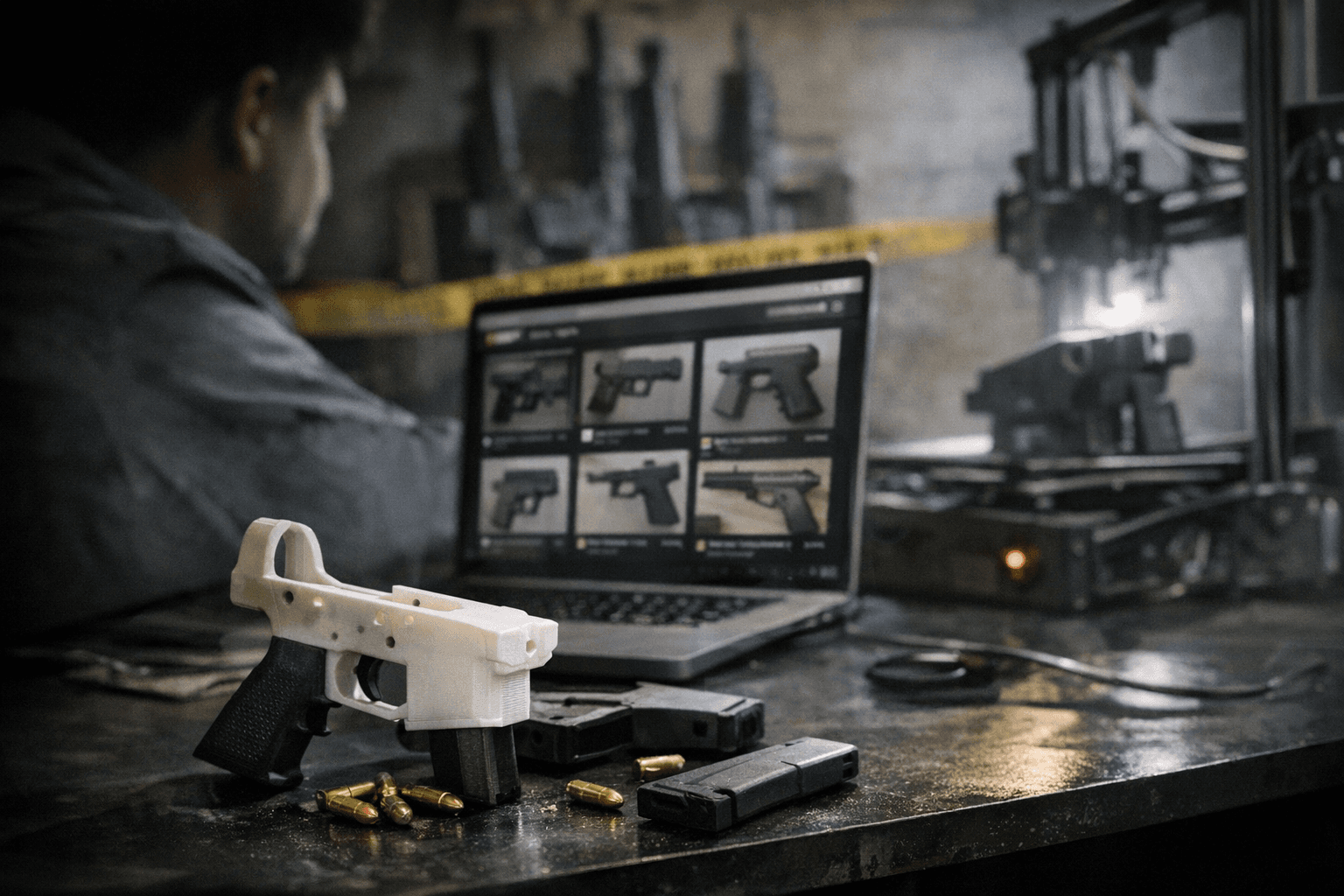
The legal dispute triggered an immediate First Amendment counteroffensive. CTRLPew LLC and Alexander Holladay filed their own complaint in federal court, arguing that California Civil Code §§ 3273.61 and 3273.625 impose a nationwide prior restraint on protected expression and represent an unconstitutional extraterritorial application of state civil code against Florida-based speakers. The federal counter-complaint also invokes the Fourteenth Amendment. The Firearms Policy Coalition amplified the case on social media and, in doing so, drew wider attention to the very files at the center of the complaint.
The case carries undeniable historical weight. In 2013, Cody Wilson's Defense Distributed, based in Austin, Texas, published the Liberator, the first 3D-printable handgun design, igniting a years-long federal battle over export controls and free speech. Courts have since ruled that 3D print files constitute protected speech under the First Amendment, a precedent gun-rights advocates, including the NRA's Institute for Legislative Action, are already invoking in California's case.
California's confidence in its legal position faces scrutiny given its recent record in gun-related constitutional litigation. The state was ordered to pay $556,957.66 in attorney's fees in 2023 after an unconstitutional fee-shifting law was struck down, then agreed to pay over $1.38 million in March 2026 after the Ninth Circuit twice rejected its ban on minor firearms advertising. Whether the current lawsuit survives the First and Fourteenth Amendment challenges being mounted in federal court may ultimately determine how far any state can reach to regulate the distribution of digital fabrication files.
This article was produced by Prism’s automated news system from verified source data, official records, and press releases, then run through automated quality and moderation checks before publishing. The system is built and supervised by the people who set the standards it runs under. Read our full AI policy.
Did this article answer your question?