DualCore 3D printer promises simultaneous dual-toolhead printing speedup
Anabolic Mechanics is pitching a Kickstarter printer that claims two toolheads can work one part together and cut print time by up to 10x. The catch is whether that sync holds up outside demo clips.
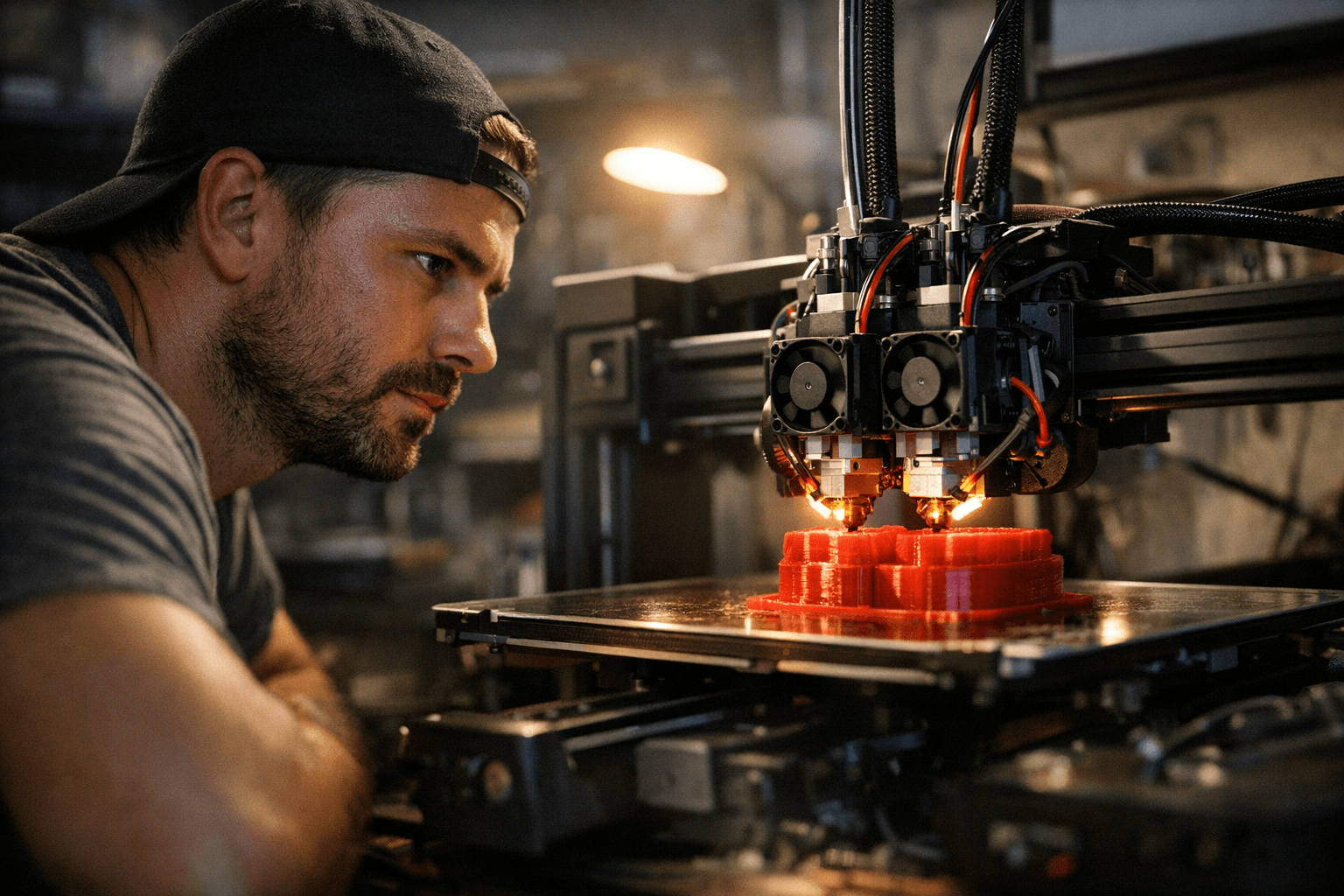
Anabolic Mechanics is betting that two toolheads working at once will matter more than another bigger bed or hotter hotend. Its DualCore Kickstarter campaign, listed by BackerKit for April 14, 2026 to May 14, 2026, pitched what the company calls the world’s first true dual-simultaneous IDEX FDM printer, with a claimed speed advantage of up to 10x and no tuning required.
That is the number that will grab attention, but the details are what make the pitch worth a hard look. The company’s technology page says DualCore T-IDEX prints visible surfaces at 0.20 mm and infill at 0.40 mm, aiming to push through hidden volume faster without turning the outside of the part into a mess. On the product page, Anabolic Mechanics lists a 300 x 300 x 400 mm build volume, a 120 C heated bed, 300 C extruders, automated bed leveling, automated T-IDEX dual X gantry homing, filament run-out detection, and a proprietary slicer.
If that works as advertised, the appeal is obvious. A printer that can keep the outside clean while aggressively filling the inside would be more interesting than another machine chasing raw travel speed. It could make large functional parts finish sooner, reduce the pain of soluble support jobs, and make multi-material printing feel less like a chore. But the entire point of the campaign is still unproven, and the real test is whether the two heads can stay synchronized on long jobs without turning into a calibration headache.
That is where DualCore departs from the standard IDEX playbook. BCN3D’s white paper traces independent dual extrusion back to 2014, and the familiar use cases in the hobby world are duplication mode, mirror mode, and simple two-material printing. Raise3D and RatOS both treat those as the canonical IDEX workflows. Toolchangers solve a different problem by swapping heads, while multicolor systems lean on purge-heavy color changes. DualCore is trying to do something more ambitious: have both heads cooperate on the same model instead of merely taking turns or copying each other.
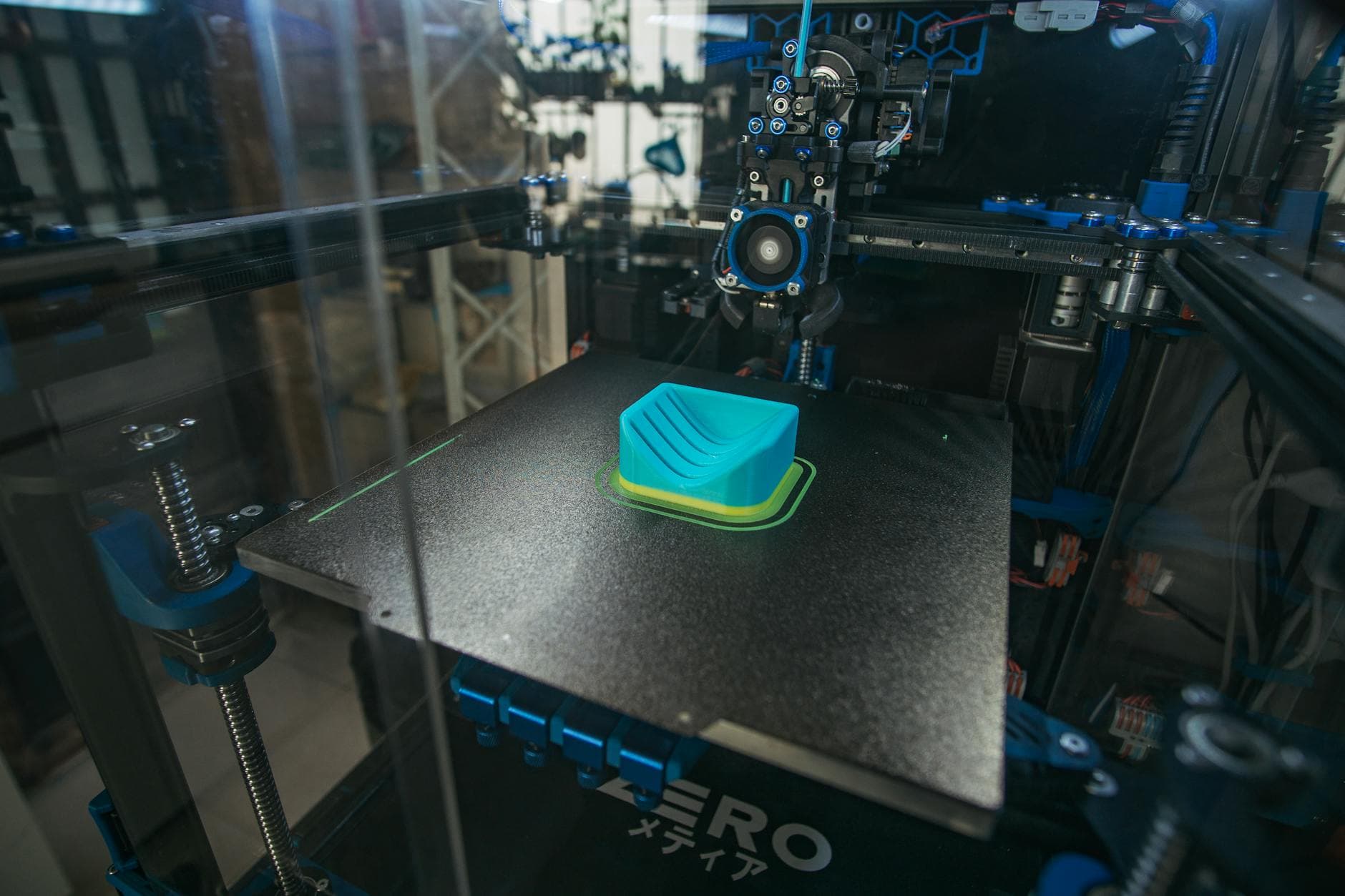
The comparison matters because desktop FDM has rarely had a real answer to industrial parallelism. Metal powder-bed machines can use multiple lasers on one build area, with some systems running as many as twelve. DualCore is trying to bring a version of that idea to the desktop, but the proof will have to come from long prints, maintenance details, and failure rates, not launch-page animation.
Fabbaloo had already framed the project as an attempt to double throughput on FFF printers, and that is the right lens to use here. The promise is bold, but backers should treat this as a serious experiment in coordinated dual-head printing, not a finished answer to desktop speed.
This article was produced by Prism’s automated news system from verified source data, official records, and press releases, then run through automated quality and moderation checks before publishing. The system is built and supervised by the people who set the standards it runs under. Read our full AI policy.
Did this article answer your question?